
Wind Speed Instruments and Surfboarding Performance


Intro
When it comes to surfboarding, understanding the nuances of wind speed may not be the first thing on a surfer’s mind, but it plays a crucial role in shaping the overall experience on the water. From novice paddlers to seasoned wave riders, grasping how wind conditions impact surfing can make the difference between an exhilarating session and a frustrating outing. In this exploration, we will delve into the significance of wind speed instruments, how they correlate with surfing performance, and the technology that supports them.
Every surfer has had those days where the wind just doesn’t cooperate. Maybe it’s blowing too hard and creating choppy waters, or maybe it’s just calm enough that the waves struggle to roll in. This ebb and flow between the wind and water is one of the first things that should inform your surf trip planning. Wind affects not just wave height but also their shape and quality, which in turn can dictate how much fun you can actually have out there.
"> The relationship between wind speed and surfing performance is akin to a dancer moving to a rhythm. Get the beat right, and the performance flows effortlessly. Fail to consider it, and the dance turns awkward, challenging, and less enjoyable."
Equipping yourself with the right wind speed instruments can help in making informed choices. But what specific devices are out there, and how do they work? This article aims to shed light on those aspects and more, ensuring that all surfers, whether just starting out or navigating advanced competitions, are prepared to make the most of their surf sessions.
Preface to Wind Speed in Surfboarding
Wind speed is a pivotal factor that shapes the surfing experience. For both seasoned surfers and newcomers, understanding the implications of wind conditions can be the difference between an exhilarating ride and a grueling session. When surfers look to tackle waves, the wind isn't just an afterthought; it plays a crucial role in both the formation of the waves and the overall surfing experience. This article digs into how wind speed instruments can enhance awareness of these conditions, allowing surfers to make educated choices about when and where to surf.
Importance of Wind Conditions
Understanding wind conditions extends far beyond checking a simple weather app. The wind can influence wave heights, break patterns, and even the intensity of the ocean's surface. When the wind blows offshore, it can create cleaner and steeper waves that are preferable for surfing. Conversely, onshore winds can result in choppy and rough ocean conditions, which might not be ideal for riding.
Moreover, wind patterns can also dictate the timing of a good surfing day. A sudden shift in wind can lead to a sea change, forcing surfers to adapt quickly. That’s why, for many surfers, investing in wind speed instruments can lend insight into what mother nature has in store. By keeping tabs on wind speed and direction, surfers are better equipped to experience conditions that maximize their surfing enjoyment.
Impact on Surfing Experience
Wind doesn’t only affect the waves; it influences the entire experience of being out on the water. Surfers often gauge their performance based on how well they can ride a wave, but the wind’s presence — or lack thereof — alters that performance significantly. Lightweight boards may react differently depending on the wind speed; hence, what works well in calmer conditions might be a challenge in stronger winds.
Additionally, during competitions, wind plays a crucial role in judging performances. Surfers must navigate both the currents and gusts to secure their spots. The merged dynamics of wind and water can either amplify thrill or pose hidden dangers.
“To surf effectively, one must learn to read the wind just as much as the waves.”
Ultimately, recognizing the nuances of wind impact on surfing enables surfers to tune their techniques and strategies accordingly. Whether it’s feeling the wind against your face or watching how it shapes the waves ahead, understanding these elements helps tailor the experience on the water. Proper comprehension of wind conditions arms surfers with the necessary knowledge to make their experience not just enjoyable, but astute.
Types of Wind Speed Instruments
In the world of surfboarding, understanding the wind is a key element that can make or break a surfing experience. The types of wind speed instruments available are essential tools that surfers, instructors, and enthusiasts can use to assess current conditions accurately. Here, we delve into various instruments that measure wind speed, examining their unique characteristics, benefits, and considerations for surfing.
Anemometers
Anemometers serve as the go-to devices for measuring wind speed. Imagine standing on the beach, feeling the breeze on your skin, but wondering how strong the wind really is; this is where an anemometer comes into play. There are different types of anemometers, including the more traditional cup anemometer that spins with the wind, and the electronic ones that provide real-time digital readings.
Why choose an anemometer?
The benefits are numerous:
- Precision: Anemometers give accurate readings that help determine the ideal conditions for surfing.
- Portability: Many portable models allow surfers to take them anywhere, making them practical for beach outings.
- Versatility: They can be used in various water sports besides surfing, catering to a broader audience.
However, one must consider the potential downside of maintaining the device and calibrating it regularly. A miscalibrated anemometer could lead to misleading readings, impacting surfing decisions.
Pitot Tubes
Pitot tubes are a bit less common among surfers but offer intriguing advantages, particularly for experienced surfers and those focused on performance. They operate on the principle of measuring the difference in pressure between static and dynamic air, providing a reading of wind speed.
So, what are the specific benefits of using Pitot tubes in surfboarding?
- Accuracy: They often deliver reliable data, useful for optimizing performance when maneuvering on the waves.
- Integration with Other Systems: These tubes can be connected to other instruments, such as GPS modules and data logging devices, creating an extensive wind speed monitoring system.
- Durability: Designed for various conditions, they tend to be resilient against harsh environments.
Nonetheless, using a Pitot tube requires a good understanding of aerodynamics, making it less accessible for casual surfers.
Wind Vanes
Wind vanes focus on directional wind measurement, complementing the data provided by anemometers or Pitot tubes. A wind vane can be as simple as a paddle that rotates in the wind, showing precisely where the wind is coming from, which can be crucial for surfers who want to align their rides with wave direction.
The value of using wind vanes:
- Direction Awareness: Knowing wind direction helps in anticipating how the waves might react; surfboards perform differently depending on wind orientation.
- Safety Considerations: Wind vanes inform surfers about conditions that they might not feel immediately. For example, strong offshores could pose risks.
- Ease of Use: Generally simpler than other wind speed instruments, wind vanes can be a straightforward addition to a surfer's toolkit.
While wind vanes primarily measure direction, their role should not be overlooked when assessing wind and wave interaction. Integrating wind direction data with speed measurements creates a more comprehensive overview, enhancing whether conditions are right for that day's session.
In summary, understanding the various types of wind speed instruments not only enhances one’s surfing experience, it does a whole lot more than that. From wind speed to direction, each instrument offers benefits that can assist surfers in making informed decisions. Having the right tools at hand allows surfers to ride the waves with confidence and understanding.
Understanding Anemometers
Anemometers are a fundamental component for those looking to grasp the complexities of wind measurements in surfboarding. They are not just pieces of equipment; they are essential tools that provide critical data influencing surfers' decisions. By understanding how anemometers work, their mechanics, and the types available, surfers can tailor their experiences to optimize safety and performance.
Mechanics of Anemometers
Anemometers operate on fairly simple yet precise principles, converting wind speed into measurable data. At the core, these instruments utilize the force of wind against various structures, which helps in determining velocity. For example, as the wind spins the cups of a cup anemometer, it translates that motion into speed readings. It's like catching the breeze with a fan—more wind means faster spinning, and hence more information regarding its velocity. This functionality becomes crucial when gauging conditions favorable for surfing, where knowing wind speed can forecast wave quality.
Types of Anemometers
Diving deeper into this aspect, anemometers can be categorized into various types, each with its own distinct characteristics tailored for particular applications.
Cup Anemometers
Cup anemometers lead the pack when it comes to the simplicity and reliability. They function through spinning cups mounted on a rotor—more wind means more rotation. This design contributes positively to the overall goal of accuracy in wind measurement, making it a top choice among those in the surfing community.
Key characteristic: The cup design allows for a straightforward means of sensing wind speed without too many moving parts, which results in lower maintenance costs over time.
Unique feature: They provide an easy-to-read output, often displaying wind speeds in real-time, an advantage for surfers trying to make split-second decisions. However, while cup anemometers are robust, they might not perform well in turbulent wind conditions where quick fluctuations can create misleading data.
Vane Anemometers


On the other hand, vane anemometers take a slightly different approach, using a rotating blade or vane that faces the wind. This type of anemometer is particularly handy when needing to measure airflow direction alongside speed. It's like having a compass for wind—guiding surfers not just on how fast the wind is but also from which direction it comes, enriching the overall understanding of surf conditions.
Key characteristic: The ability to measure both speed and direction in one go makes vane anemometers a preferred tool for comprehensive wind data collection.
Unique feature: Their small, portable design is another feather in their cap; they are convenient to carry along to surf spots. However, they can sometimes yield less reliable data in high-wind scenarios compared to cup anemometers, where the rapid rotations might distort readings.
In summary, understanding anemometers is not just about knowing how these instruments work; it's about tapping into the data they provide, enhancing decision-making in surfboarding and ensuring that every ride is not just thrilling but also safe.
Utilizing Pitot Tubes
For surfers keen on mastering the waves, comprehending the dynamics of wind speed can enhance their experience drastically. One powerful tool in this endeavor is the Pitot tube. This device, though often associated with aerodynamics in aircraft, finds its place in surfboarding too, helping to measure wind conditions accurately.
Design and Functionality
The Pitot tube is quite a simple yet ingenious device. At its core, it consists of a tube with two openings. One opening faces the oncoming wind while the other, positioned perpendicular, measures the static air pressure. By comparing these two pressures, surfers can derive the wind speed, essential for riding timing and wave prediction.
In terms of design, Pitot tubes can vary in size and material, often built from durable plastics or metals to withstand the harsh marine environment. They're typically lightweight, allowing surfers not to worry about additional baggage when they head out. Furthermore, the calibration of these tubes is essential; even the slightest error in measurement could lead to misjudgments in the field, affecting the surfing experience.
Applications in Surfboarding
Using Pitot tubes in surfboarding provides several benefits:
- Situational Awareness: When surfing, knowing how fast the wind is blowing can determine the perfect conditions for riding. A Pitot tube allows surfers to assess wind speed right from the shore or even attached to their surfboards.
- Real-Time Data: The information gleaned provides surfers with immediate feedback on whether to hit the waves or wait for better conditions. It’s like having a wind-sensing buddy around.
- Skill Development: For both beginners and seasoned surfers, understanding wind speed through Pitot tubes fosters better decision-making on wave selection and safety.
Moreover, Pitot tubes can also be utilized alongside wind anemometers for comprehensive weather assessments, merging several data points to give surfers deeper insights into the ocean's mood.
"Master the wind, and you can command the waves." It's a reminder that utilizing the right instruments like the Pitot tube can elevate a surfer's game.
Role of Wind Vanes
In the realm of surfboarding, understanding wind conditions is crucial. Wind vanes play an understated yet vital role in this understanding. These devices measure wind direction, providing surfers with essential data that impacts their ride. Any seasoned surfer knows how the wind can influence not just wave quality but also the experience of paddling out and riding.
Understanding Wind Direction
At its core, a wind vane is a simple instrument, yet its application is profound. It consists of a rotating pointer that aligns with the wind direction. For a surfer, knowing which way the wind is blowing can be the difference between catching the perfect wave and ending up in choppy water. Wind direction affects wave formation, making it essential for surfers to tune in to these shifts.
- Cross-wind impacts: When wind blows perpendicular to the wave direction, it can lead to a bumpy surf, causing waves to behave unpredictably.
- Onshore breezes: A wind blowing from the ocean inland often results in messy waves, which can frustrate even the most experienced surfboarders.
- Offshore winds: These winds can groom waves, leading to cleaner and better-shaped rides.
Grappling with wind conditions not only informs surfing strategy but also enhances safety during outings. No one wants to find themselves unexpectedly facing stronger winds or shifting conditions. In essence, understanding the direction of the wind through these instruments can enable surfers to choose the right times and places to hit the water. For a surfer, knowledge is not just power; it is survival.
Complementing Wind Speed Measurements
While wind speed instruments like anemometers tell you how hard the wind is blowing, wind vanes add another layer to the equation. They work synergistically, providing a comprehensive understanding of both speed and direction. For instance, a scenario can arise where high wind speed may not translate into ideal surfing conditions if the wind direction is against the waves.
Moreover, combining this information is crucial for making real-time decisions out on the water. Surfers can assess the wind's impact on their chosen surf spot, adjusting their expectations and strategies accordingly. For this reason, many surfboards today come equipped with devices that incorporate both wind speed and direction data, allowing surfers to tap into insights that guide their ride.
- Decision-making: Surfers equipped with a grasp of both wind speed and direction can plan their sessions more effectively, optimizing their time in the water.
- Safety considerations: Being aware of shifting wind patterns could avert dangerous situations, such as being caught in crosswinds that push surfers towards rocky shores.
In summary, the role of wind vanes transcends mere direction measurement; it is about enhancing a surfer's experience, sharpening strategies, and promoting safety in unpredictable conditions. This knowledge enriches the relationship between surf culture and nature, demonstrating that understanding one's environment is as crucial as mastering the skills of surfing itself.
"Every wave has its rhythm, and understanding wind direction is key to dancing with it." - Anonymous
By integrating both wind speed and direction data, surfers can maximize their enjoyment and minimize risks, fostering a deeper connection with both their craft and the natural elements.
Wind Speed Measurement Techniques
In the world of surfboarding, understanding wind speed measurement techniques can make the difference between a thrilling ride and a frustrating session. These techniques provide crucial data that surfers rely on to gauge surfing conditions. Whether one is a seasoned pro or a curious beginner, knowledge of wind speed can enhance the overall surfing experience. This section delves into the significance of these techniques, highlighting their benefits and considerations.
Calibration Methods
Calibration is essential in ensuring accuracy in wind speed readings. When an instrument is calibrated, it checks the device's output against known standards to ensure it provides precise measurements. Here are some key calibration methods utilized in wind speed instruments:
- Field Calibration: This method involves comparing readings from the instrument against a standard reference under real conditions. It ensures that the instrument performs accurately in situ, where weather conditions could affect its functionality.
- Laboratory Calibration: Conducted in a controlled environment, this method involves using calibrated wind tunnels where conditions can be replicated exactly. Instruments are tested against known wind speeds before being deemed ready for field use.
- Routine Checks: Depending on how often instruments are used, routine checks are made to ensure continued accuracy over time. Such proactive measures can prevent drastic discrepancies in data, which surfers depend on.
Accurate calibration safeguards against misleading data, which affects decisions like when and where to surf. Ultimately, it amplifies the surfer's ability to choose prime moments to hit the waves.
Data Interpretation
Once calibrated, the collected wind speed data must be interpreted correctly. This task can be quite intricate, as wind conditions can change rapidly. Here’s a breakdown of how to approach this:
- Understanding Units: Wind speed is often represented in various units such as miles per hour (mph), kilometers per hour (km/h), or knots. Surfers should be familiar with conversions to interpret conditions accurately.
- Wind Speed Categories: Recognizing categories of wind speed can greatly influence a surfer’s plans. Different wind speeds can produce varying wave conditions. For example:
- Light Wind (0-10 mph): Ideal for beginners, allows for gentle waves and perfect conditions for learning.
- Moderate Wind (10-20 mph): Suitable for experienced surfers, this range can create exciting swells and challenging conditions.
- Strong Wind (20+ mph): Not recommended for inexperienced surfers, these winds can create rough waters and hazards.
Surfers should always consult local wind reports to interpret conditions accurately, adjusting their plans based on wind forecasts.
Influence of Wind Conditions on Surfing
Wind can make or break a surf session. Understanding how wind conditions affect surfing is vital for surfers of all skill levels. With every gust and breeze, the way waves form and break alters, directly impacting the experience on the water. When surfboard enthusiasts grasp the ramifications of wind, they can better plan their outings and make informed choices about when and where to catch those perfect swells.
Wave Formation and Wind
The relationship between wind and wave formation is intricate yet fascinating. When wind blows across the surface of the ocean, it transfers energy, creating waves. This process begins when light breezes ripple the water, leading to small surface waves, often referred to as chop. However, strong winds can create larger swells that travel vast distances.
To put it plainly, the ideal wind for surfing is offshore, blowing from the land toward the ocean. This type of wind helps shape waves, allowing them to stand tall and break moderately, making them easier to ride. Conversely, onshore winds can cause waves to crumble, creating less favorable conditions for surfing.
Specific factors to consider regarding wind and wave formation include:


- Wind Speed: Stronger winds can increase wave height but may also lead to unpredictable conditions.
- Wind Direction: Offshore winds are favorable, while onshore winds often lead to choppy waters.
- Swell Period: The time between waves can dictate the quality of surf; longer periods generally lead to better surfing conditions.
Understanding these elements ensures that surfers can better anticipate wave quality and make strategic decisions.
Wind and Safety Considerations
Aside from affecting the quality of waves, wind conditions also carry significant safety implications for surfers.
Rough seas stirred up by high winds can transform a peaceful beach into a treacherous environment. Factors like rip currents, generated more frequently by onshore winds, can pose serious risks. Surfers need to keep a watchful eye not just on the waves but also on how wind conditions might evolve throughout a session.
Here are a few safety measures to consider when monitoring wind conditions:
- Check Local Reports: Websites like the National Oceanic and Atmospheric Administration (NOAA) provide up-to-date wind conditions and surf reports.
- Observe Fellow Surfers: If experienced riders are leaving the water, take that as a cue. High winds mean more than just rough waves; they often correlate with dangerous shoreline conditions.
- Body Awareness: Understand your skill level. A strong wind can amplify even minor mistakes, turning a fun day into a risky one.
By staying informed and making prudent decisions regarding wind conditions, surfers can enhance their enjoyment while ensuring their safety.
"The wind is a fundamental player in the surf game. Knowing how to ride it is just as important as riding the wave itself."
Forecasting Surf Conditions
Forecasting surf conditions is a pivotal aspect in the realm of surfboarding. Understanding how to effectively forecast these conditions can make the difference between an exhilarating surf session and a day spent wrestling with unfavorable waves. Proper forecasts can guide surfers in picking the right times and locations to hit the water, optimizing their experience based on wind and wave interactions.
The benefits of accurate forecasting extend beyond personal enjoyment. They offer insights into safety, allowing surfers to avoid risky conditions that could lead to accidents. When relying on precise data, surfers can gauge everything from wave size to wind speed, which both heavily influence surf conditions. With the right information at hand, enthusiasts achieve a more controlled and enjoyable experience on the water.
Integrating Wind Speed Data in Forecasts
Wind speed data forms the backbone of surf condition forecasts. By integrating this data into predictive models, surfers can accurately anticipate how wind interacts with waves.
- Understanding Wind Influence: It's essential to recognize how wind speed affects wave formation. Strong winds can either enhance or chop up incoming swells. Knowing expected wind speeds helps surfers make informed decisions about the best surf spots.
- Data Sources:
Forecasts utilize a mix of local and global data streams. Websites and apps like Windy, Surfline, and local meteorological services provide surfers with updated wind forecasts that help tailor their plans. - Predictive Techniques: Models often incorporate various parameters such as historical data, seasonal patterns, and real-time wind measurements to produce reliable predictions. These can indicate whether the wind will help shape ideal surfing conditions later in the day.
By recognizing the synergy between wind speed and waves, surfers place themselves in a position to seize optimal conditions, whether they are novice boarders or seasoned professionals.
Limitations of Wind Forecasting
While integrating wind speed data enhances the reliability of surf forecasts, there are limitations that surfers must consider.
- Dynamic Conditions:
Weather can change quickly, leading to unexpected wind changes that forecasting models might not capture in time. A rapid shift could mean that what seemed like a good day can quickly become subpar or even dangerous for surfers. - Local Variability:
Wind patterns often behave differently depending on geographic features. Factors like coastal topography or nearby structures can cause significant variations in wind speed and direction that general predictions might overlook. - Inadequate Coverage:
Not all surfing locations are covered extensively by wind measurement stations. Surfers venturing to lesser-known spots might find themselves relying on inaccurate or outdated information, which can lead to poor decision-making.
In summary, while wind forecasting plays an essential role in planning surf outings, it is important for surfers to remain vigilant and aware of the inherent limitations in the data provided. Balancing forecasts with on-the-spot observations fosters a safer and more enjoyable surfing experience.
"The sea, once it casts its spell, holds one in its net of wonder forever." - Jacques Cousteau
For more insights on wind and surf conditions, you can visit Surfline and NOAA.
Technological Advances in Wind Measurement
In the world of surfboarding, wind conditions can mean the difference between a day of exhilarating rides and a frustrating experience. As technology continues to evolve, so does the way surfers and enthusiasts measure wind speed and direction, leading to significant advancements in wind measurement instruments. These innovations not only enhance the surfing experience but also contribute to safety and performance. In this section, we dive deep into these advancements, particularly focusing on digital anemometers and mobile applications designed for wind monitoring.
Digital Anemometers
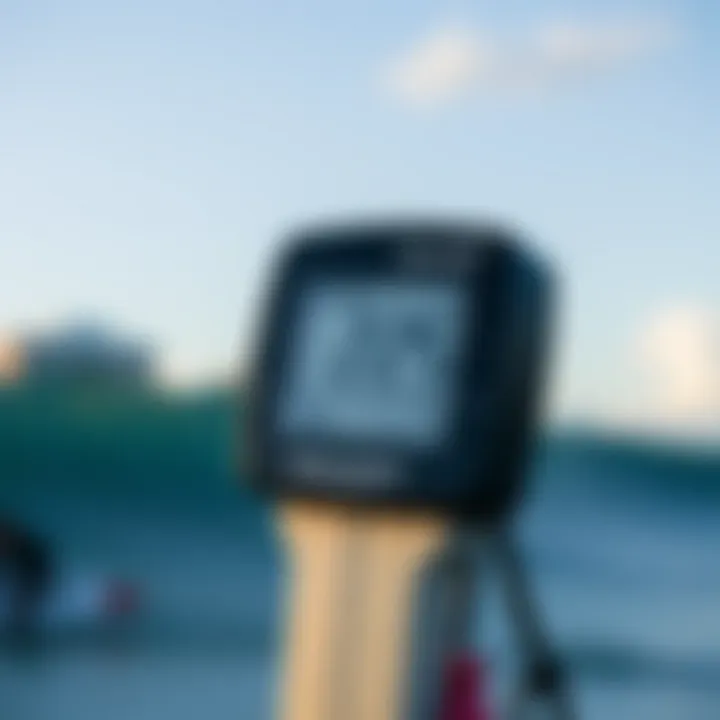
Digital anemometers have revolutionized the way surfers gather data about wind speed. Unlike traditional devices, which might rely on mechanical systems, digital models offer precision and ease of use. Many of these instruments feature a display that gives real-time readings, allowing surfers to gauge conditions immediately before hitting the waves. This immediacy can be crucial in surfboarding, where weather can shift in a heartbeat.
Benefits of Digital Anemometers:
- Accuracy: Digital anemometers tend to provide more reliable readings, which is particularly important when choosing suitable surfing conditions.
- User-Friendly Interfaces: Many modern devices come with intuitive settings and backlit displays, making them easy to read, whether it’s bright sun or late evening.
- Data Logging: Some of these devices can log wind patterns, enabling surfers to analyze trends over time to make better-informed decisions before heading out.
- Portability: With designs that easily fit into a backpack or a pocket, surfers can take them on the go without adding excessive weight.
These factors combined make digital anemometers not just tools but essential companions for surfers wanting to maximize their time on the water.
Mobile Applications for Wind Monitoring
With the ubiquity of smartphones, mobile applications for wind monitoring have gained massive traction among surfers. These apps, often powered by crowdsourced data, provide a comprehensive picture of wind conditions at various surf spots. Surfers can check these apps to access wind speed, direction, and even real-time weather updates right at their fingertips.
Key Considerations:
- Accessibility: These apps allow surfers to check conditions before heading out without needing specialized equipment.
- Geolocation: Many applications provide feature alerts based on the user’s location, optimizing the chances of hitting the right spot at the right time.
- Community Feedback: User-generated content provides real-time insights, sharing firsthand experiences that can complement the quantitative data.
- Integration with Other Metrics: Some applications also integrate tide information and wave forecasts, offering a holistic view of the surfing conditions.
"With the right app on your phone, you're not just a surfer; you're a savvy navigator of the ocean's moods."
As technology brings wind measurement into the digital age, these tools not only enhance the surfing experience but help foster a community where knowledge and preparation can lead to better performance on the waves. Surfers, instructors, and enthusiasts alike benefit from these advancements as they strive to ride the waves safely and skillfully.
Community Insights on Wind Management
In the world of surfboarding, the feedback and experiences shared among surfers can serve as a valuable resource. Community insights on wind management come from the collective knowledge accumulated through shared experiences, advice, and strategies developed over time. These insights not only help individuals refine their skills but also foster a sense of camaraderie within the surfing community.
Conversations among surfers often focus on how different wind conditions can impact swells and rideability. The dialogue about wind management leads to greater awareness of how local conditions can vary, potentially saving time and minimizing frustration for those seeking optimal waves. Furthermore, novices can gain perceptual skills to assess wind effects, thanks to the wisdom of more seasoned surfers.
The community here flourishes as it enables surfers to tap into a reservoir of real-world knowledge. Some surfers overlook the immense value in getting firsthand accounts about specific spots and how conditions shift with the wind. There’s nothing quite like a discussion over a morning coffee or a beach bonfire, where anecdotes flow and tips on wind patterns are exchanged.
"There's a lot to learn from just watching how the swell interacts with the wind. Plus, listening to others talk about their challenges—it really ups your game."
Surfer Experiences and Tips
Surfer experiences play a crucial role in understanding effective wind management strategies. Each surfer, whether a seasoned pro or a weekend warrior, brings unique stories that offer insights into how they navigate the ever-changing wind conditions.
- Experimentation: Many surfers have discovered that spending time on the water and experimenting under various conditions provides practical knowledge that no textbook can offer. Each session spent riding different waves can illuminate how wind interacts with water.
- Local Knowledge: Relying on local surfers can lead to discovering secret spots where conditions might be optimal under certain wind conditions. For instance, surfers in Hawaii often discuss how the trade winds affect wave quality at different beaches, a detail crucial for maximizing one’s experience.
- Weather Patterns: Pay attention to weather reports, but also learn to read the wind visually. Surfers often note how even a light breeze can completely change surfing conditions. Experienced surfers advise checking the flags and observing the water surface: choppy water often means wind issues while a clean face is a good sign.
Collective Knowledge in Surf School
Surf schools are more than just learning hubs; they represent a treasure trove of collective knowledge regarding wind management. The instructors—often seasoned surfers—impart wisdom that is polished by years of experience.
In this environment, students get to learn:
- Technical Skills: Wind dynamics play an essential role in surfboarding. Schools teach technical skills that emphasize the importance of wind direction, and how these factors interrelate with wave formation.
- Real-time Feedback: As students practice, instructors provide real-time feedback on wind conditions. This immediacy allows for adjustments on the go, enhancing the learning experience and making it relevant.
- Community Connections: By immersing new surfers into communal settings, surf schools also help forge connections among participants. Surfing is inherently a social sport, and these interactions can lead to long-lasting friendships and networking opportunities.
Case Studies: Successful Wind Usage
Understanding the practical implications of wind measurements is critical for surfers. Case studies about successful wind usage illustrate not only how to predict ideal surf conditions but also showcase innovations in surfboard design that harness the wind. These real-world examples offer practical insights to surfers about how wind influences their experience on the waves, emphasizing the necessity of incorporating wind speed instruments into their routines.
Notable Surf Events and Wind
Historic surf events demonstrate the direct correlation between observed wind conditions and surfing performance. For instance, the Big Wave Surfing Events at Jaws, Hawaii, have repeatedly shown how specific wind patterns can amplify or diminish wave sizes. During the event in February 2020, the wind direction was critical. The northeast winds created a perfect swell that reached up to 60 feet. Capturing these variables is essential for both competitors and enthusiasts.
- Wind Conditions and Wave Heights
Surf events like the Eddie Aikau Big Wave Invitational are not just showcases of skill but also reveal how wind influences conditions. Competitors often pay close attention to wind readings prior to paddling out. - Data Collection and Analysis
Event organizers utilize anemometers to gauge wind speed and direction, summarizing this into reports for participants. This data directly impacts decision-making processes concerning safety and whether the event should proceed. - Crowd Management
Understanding wind conditions can also help in managing crowds on the beach, ensuring safety for both surfers and spectators.
Surfers who use this data not only improve their performance but also plan for safety better. Hence, integrating wind data is not just a matter of preference. It’s a strategy for success in high-stakes environments.
Wind-Driven Surfboard Innovations
Innovations in surfboard design driven by an understanding of wind dynamics highlight the intersection of technology and performance. For example, the development of hybrid surfboards has understood how to capitalize on wind for improved maneuverability and stability. These advancements stemmed from detailed analyses of wind data during specific surfing conditions.
- Flex and Shape Adjustments:
Modern boards increasingly incorporate technologies like tail designs optimized for wind interaction. This allows surfers to slice through choppy waters smoothly, maintaining speed and agility. - Wind-assisted propulsion:
Some boards even feature small, built-in sails. When the wind is just right, these sails can give surfers an edge, allowing them to catch waves effectively. The Naish Glide, for instance, has seen success due to its innovative outline that factors in how wind affects ride dynamics. - Sustainable Materials:
Beyond performance, some brands are producing eco-friendly boards that consider wind conditions for their shapes, minimizing turbulence and improving performance without sacrificing environmental responsibility.
The interplay of wind conditions and surfing technology continues to shape the future of the sport.
Environmental Considerations
In the realm of surfboarding, understanding how environmental factors influence both the ocean and the sport is pivotal. Wind speed instruments don’t just aid surfers in optimizing their rides; they intersect significantly with broader environmental awareness and sustainability. Assessing wind conditions enables surfers to better respect the ocean's moods, ultimately fostering a more symbiotic relationship with nature.
Wind Energy and Surfboarding
Wind energy has become a hot topic in discussions about sustainability. Well, it turns out, the very elements that fuel our surfing passion also have a role in the wind energy narrative. Many surfers may find themselves unknowingly advocating for renewable energies simply by maximizing their knowledge of wind patterns. With an increasing number of surfboard shapers incorporating eco-friendly materials and designs, the symbiosis between wind energy and surfboarding becomes evident.
For instance, surfers can engage in community-driven efforts to build wind turbines or promote clean energy initiatives, recognizing wind not just as a force of nature, but as a boon to sports and sustainability.
"The winds that guide our boards also hold the power to pivot energy consumption toward sustainability."
Moreover, different surf spots can benefit from wind turbines nearby, creating a self-sustaining cycling of energy and sport. Visiting beaches where wind power is celebrated can enhance the surfing experience, as the local ethos embraces renewable resources. The waves may become a backdrop to technological innovation rather than merely a battleground for sport.
Impact of Climate Change on Wind Patterns
Climate change, a pressing concern globally, dramatically alters wind patterns. As ocean temperatures rise, waves, and wind speeds change in both frequency and intensity. This transformation influences local surf conditions and requires surfers to stay informed about environmental shifts. Unpredictable winds can lead to diminished surf days or, conversely, exhilarating conditions that weren't previously encountered.
The fluctuations in wind may affect not only surfing experiences but also the ecosystems around popular surf spots. Disrupted habitats lead to fewer marine life sightings, such as stunning dolphin pods or vibrant schools of fish, which add to the thrill and joy of a surf trip.
Thus, surfers must engage actively with their environment, adapting their styles, and keeping an eye on how climate dynamics influence their chosen spots. Collectively sharing insights about changing conditions can create a community of informed surfers who prioritize sustainability while enjoying their sport. Surfers can contribute to efforts aimed at protecting coastlines, ensuring that sites of leisure maintain their beauty and ecological integrity amid climate uncertainties.
Future of Wind Measurement in Surfboarding
The evolution of wind measurement tools in surfboarding undoubtedly marks a significant chapter in the sport's journey. As technology continues to advance, understanding how these changes impact surfers is crucial. New wind measurement techniques enhance safety, performance, and the overall surfing experience. These developments also answer the growing environmental concerns surf enthusiasts are facing, ensuring that both the ocean's vitality and the surfer's joy remain intact. By delving into emerging technologies and anticipated developments, we can foresee a more informed and equipped surfing community.
Emerging Technologies
One of the most exciting aspects of wind measurement in surfboarding is the rise of wearable technology. Devices like smartwatches and fitness bands now integrate wind sensors that provide real-time data directly to surfers. Imagine paddling out and having access to wind speed right on your wrist, allowing for immediate adjustments as you approach waves. This integration contributes not only to personal safety but also elevates the surfing experience by aligning it with personal performance metrics.
Moreover, drones and kites equipped with wind speed sensors are becoming increasingly popular. These aerial instruments can capture data from different heights and perspectives, providing an invaluable holistic view of wind patterns over the ocean. With detailed maps generated by drones, surfers can make more precise decisions, choosing the perfect time to catch waves.
Additionally, there's a buzz around smart surfboards that embed wind sensors directly into the board itself. This innovation could revolutionize how surfers interact with their environment, giving them insights not just about wave height or direction but the very wind patterns that shape their ride.
Anticipated Developments
Looking ahead, we can expect more sophisticated algorithms to emerge. These algorithms will analyze wind data more efficiently, resulting in tailored forecasts specifically designed for surfers. Instead of relying solely on general meteorological predictions, surfers may soon have access to highly localized data that considers everything from wind speed to tide schedules. This could mean the difference between a mediocre surfing session and catching the perfect wave.
Collaboration between tech companies and surf organizations is likely to lead to the creation of community-driven data platforms. These platforms could gather and share wind measurements, wave conditions, and weather reports, creating a treasure trove of information sourced from the surfing community itself. A notable platform could arise, similar to how surf forecasting websites aggregate data from numerous sources.
Understanding these anticipated advancements allows surfers to adapt and thrive in everchanging conditions.
Moreover, there may be increased attention on the environmental impacts of wind measurement technologies. As awareness of climate change grows, ensuring that the instruments used in surfboarding are sustainable and do not harm the natural environment will become paramount. This could lead to research into eco-friendly materials for instruments or renewable energy-powered devices that minimize ecological footprints.
In summary, the future of wind measurement in surfboarding teeters on the edge of innovation, promising new ways to enhance safety, performance, and overall experience in the water. The entire surfing community stands to benefit from these advancements, ultimately fostering a deeper connection with both technology and nature.
End
Understanding the significance of wind speed instruments is crucial for surfers seeking to enhance their riding experience. The correlation between wind conditions and surfing performance is a pivotal element in crafting a successful session on the water. Instruments such as anemometers, Pitot tubes, and wind vanes provide valuable data that informs surfers about the current conditions, enabling them to make informed decisions before they paddle out.
Summarizing Key Insights
Conducting a thorough analysis of the various wind speed instruments allows us to distill the essential features and functions that contribute to optimal surfing.
- Anemometers measure wind speed and provide real-time data, helping surfers gauge the intensity of the conditions they are about to face.
- Pitot tubes, while more technical, offer a way to measure air pressure, translating this into wind speed—vital for those who wish to ride under varying conditions.
- Wind vanes help indicate the wind direction, which works in tandem with speed measurements for a comprehensive understanding.
Understanding these tools is not just for the seasoned surfers; even beginners benefit by recognizing the impact of changing winds on wave quality and safety. The insights gained about wind patterns can significantly improve one’s ability to forecast the suitability of conditions, leading to safer and more enjoyable experiences on the waves.
Final Thoughts on Wind Instruments
In the world of surfing, knowledge truly is power. Being equipped with the right information on wind conditions can make the difference between a thrilling adventure and a harrowing experience. Innovations in wind measurement technology are constantly evolving and have become more accessible, allowing surfers of all levels to harness this information effectively.
Utilizing these instruments not only aids in personal performance but also contributes to informed decision-making regarding safety and environmental considerations.
By embedding this knowledge into our surf culture, we take a significant step towards enhancing both the joy and safety of riding the waves. Therefore, making the investment in understanding and utilizing wind speed instruments is not merely a choice but an essential part of being a responsible surfer in today’s diverse and dynamic ocean environments.
"As with all aspects of life, it's not just about knowing the conditions—it's about truly understanding them in relation to yourself and the environment around you."
For more information on wind speed tools and their usage, visit: