Practical Approaches to Water Conservation in Daily Life
Intro
Water, the essence of life, is becoming increasingly scarce in many parts of the world. As individuals, we often overlook the small changes we can implement in our daily routines. This article dives into practical approaches to conserving water in our everyday lives, recognizing that every drop counts. Through an exploration of techniques and tips designed to spark awareness and enthusiasm, readers can grasp both individual and communal commitment to sustainability.
Creating a culture of conservation isn't just a lofty ideal; it's a tangible reality that can be embraced by anybody, anywhere. The tricks and tactics outlined here are not only aimed at personal benefit—they serve a larger purpose of protecting our precious resources. By recognizing the impact of our daily habits and making conscious efforts to change them, we contribute to an eco-friendly future.
Get ready for a thorough journey into effective water conservation techniques, where even the simplest actions can leave a lasting footprint.
Understanding Water Conservation
Water is a resource that many of us often take for granted. It's not until a drought or a crisis arises that its true value is recognized. Water conservation shouldn't be seen merely as a temporary measure during dry spells; instead, it should become an integral part of our daily lives. By understanding the importance of water conservation, we can appreciate how our efforts contribute to a sustainable future. This understanding emphasizes the responsibility we all share in preserving our precious water resources for generations to come.
The Importance of Water Conservation
Water conservation is vital for a multitude of reasons. First and foremost, it ensures that we have access to this life-sustaining resource both now and in the future. The reality is stark: populations are expanding, yet clean water supplies remain stagnant or even decline in some regions. By consciously managing our water use, we’re not just saving on utility bills; we’re also aiding in the preservation of ecosystems that rely heavily on freshwater systems.
Another important aspect is the environmental footprint left by excessive water consumption. Reducing water use lessens the energy needed for water treatment, transportation, and distribution—factors that contribute significantly to greenhouse gas emissions. Widespread water conservation efforts lead to more resilient communities and less strain on existing waterways. In essence, every drop saved is a step towards creating a more balanced relationship with our environment.
"Conserving water is a critical component of sustainable living and helps combat the effects of climate change."
Global Water Crisis Overview
Around the globe, the water crisis presents a daunting challenge. More than 2 billion people currently live in countries facing water stress, and this number is only projected to increase. Issues like climate change, pollution, and inefficient management play central roles in exacerbating the existing challenges.
Several countries are experiencing severe water shortages, leading to conflicts over this essential resource. Areas like Sub-Saharan Africa, parts of the Middle East, and even cities like Cape Town have faced the dire consequences of inadequate water management. The world has reached a point where simple adjustments in our daily habits can contribute significantly to alleviating this crisis.
Moreover, the health impacts of inadequate water accessibility cannot be underestimated. Diseases spread through contaminated water sources lead to countless preventable deaths every year. By prioritizing water conservation, we not only safeguard our own health but also uplift communities worldwide that are struggling for basic water access.
Impact of Daily Habits
Daily habits can significantly impact water conservation efforts, yet it often goes unnoticed in the hustle and bustle of life. Simple actions—like turning off the tap while brushing teeth, taking shorter showers, or fixing a leaky faucet—can collectively lead to substantial water savings. Developing a mindset geared toward conserving water is essential.
Here are some quick changes anyone can make:
- Install aerators: These devices can reduce water flow without sacrificing pressure.
- Use a broom instead of a hose: Sweeping driveways or sidewalks is just as effective for cleaning without wasting valuable water.
- Be mindful of lawn care: Adjust your sprinkler systems based on weather, and prioritize watering early in the morning or late in the evening to minimize evaporation.
Every little adjustment we make at home shapes habits and eventually leads to a broader cultural shift towards water conservation. Often, what seems small might ignite larger changes within our communities, whisking in a new normal where every drop counts.
Water-Saving Techniques at Home
Adopting water-saving techniques at home is a crucial step toward effective water conservation. Household water usage accounts for a significant portion of freshwater consumed, so utilizing simple, practical methods can lead to substantial savings. Not only do these practices help reduce your water footprint, but they also lower utility bills, which is always a welcome bonus. Understanding the importance of small adjustments can shift our daily habits towards more sustainable living.
Efficient Use of Kitchen Water
Utilizing Shorter Rinses
One of the easiest ways to conserve water in the kitchen is through shorter rinses. This involves being mindful during activities like washing produce or dishes. Instead of letting the water run continuously, you can fill a bowl or a basin with water for cleaning. This method not only conserves water but also promotes a more efficient cleaning process. The key characteristic of shorter rinses is their simplicity; anyone can adjust their routine without major lifestyle changes.
The uniqueness lies in the immediate impact short rinses can have—it's like hitting two birds with one stone; you save water while still keeping everything clean. Though some might think it takes a bit longer, in reality, many find they enjoy a more deliberate approach to their tasks.
Collecting Cooking Water for Plants
Another practical method is collecting cooking water for plants. After boiling vegetables or pasta, instead of pouring that valuable liquid down the drain, let it cool and transfer it to a watering can or bottle. This cooking water, rich in nutrients from the food, can serve as a natural fertilizer for your plants.
The main characteristic here is the dual purpose of the water—it fulfills both cooking needs and environmental responsibilities. Such practices can make a significant contribution to gardening efforts while promoting water conservation in an easy, efficient way. Although some might worry about flavor carry-over for their plants, a simple rinse can mitigate that.

Shower and Bathroom Practices
Using Water-Efficient Showers
Water-efficient showers are a game changer in the bathroom. These fixtures, designed to use less water per minute without compromising on shower experience, highlight the shift towards innovative conservation techniques. Unlike traditional showerheads, modern versions often use aerators or advanced technology to maintain pressure and coverage with less water.
Installing one is a beneficial choice highlighted by its cost-effectiveness over time. Such adjustments can lead to savings on water bills while contributing to environmental sustainability. Yet, some individuals might find the initial investment daunting, but most households recoup the costs quickly through reduced water consumption.
Fixing Leaks Promptly
Leaking faucets or toilets can waste a surprising amount of water. One dripping faucet can waste hundreds of gallons yearly. Promptly fixing leaks is not just a recommendation; it’s a necessity for effective conservation. The advantage of addressing leaks immediately is clear—it saves money, prevents water loss, and sustains the environment. Many households overlook this issue thinking it’s a minor drip, but the implications are far-reaching.
Some might find diy fixes frustrating, but there are numerous resources or local services available for assistance, making the repair less daunting.
Laundry Water Management
Running Full Loads Only
In the laundry room, another basic yet effective technique is to run only full loads of laundry. This practice maximizes water use efficiency, saving gallons with each wash. The main characteristic of running full loads is its straightforwardness; this can generally be done with minimal effort but offers substantial water savings.
The unique feature here is how often we tend to wash smaller loads out of convenience. Making a conscious effort to save up laundry until a full load is ready might require a shift in approach but ultimately leads to conservation. Some may find it a bit of a challenge occasionally, but adjusting your schedule tends to lead to this gradual change.
Choosing Eco-Friendly Appliances
Finally, choosing eco-friendly appliances can significantly contribute to water conservation efforts. Appliances labeled with Energy Star or similar certifications typically use less water without sacrificing performance. The key aspect of these appliances is their efficiency in both water and energy usage. Investing in modern, eco-friendly machines can lead to savings not only in water consumption but also on electric bills.
While the upfront cost may seem high, the long-term savings generally outweigh the initial investment, making it a sound choice for conscientious consumers. Besides, many utilities offer rebates for installing such efficient equipment, making it even more appealing.
Landscaping and Outdoor Water Use
Understanding the significance of landscaping and outdoor water use is key when discussing practical approaches to water conservation. Our gardens and yards, while enhancing aesthetic value and providing a habitat for wildlife, can also become substantial consumers of water. This article section addresses how even small changes in outdoor practices can lead to meaningful water savings.
When landscaping, making conscious choices about the plants and materials used can significantly reduce the need for excess water. Opting for native and drought-resistant plants ensures they thrive with minimal irrigation, fostering an environment that is not only beautiful but sustainable.
Xeriscaping for Water Efficiency
Xeriscaping is a landscaping method aimed at reducing or eliminating the need for irrigation. This involves selecting appropriate plants and using various techniques to make landscapes more self-sustaining. The well-known fact that certain plants are naturally suited to dry climates supports the notion of xeriscaping. This is not merely about adding cacti and succulents but about designing functional and attractive spaces that require little water.
The primary benefit of xeriscaping is, of course, its water efficiency. By using drought-tolerant plants and xeric techniques, homeowners can conserve thousands of gallons of water each year. So, why not give a fresh look to your garden while keeping those water bills at bay? Xeriscaping has been increasingly popular among environmentally conscious homeowners who desire a sustainable approach in their backyards. Here’s what you should consider:
- Utilizing native plants: These plants are adapted to the local climate and don’t require much extra water.
- Grouping plants together: Placing plants with similar water needs near each other allows for more efficient watering.
- Incorporating mulch: Mulch helps retain moisture in the soil, further reducing the need for watering.
Overall, xeriscaping presents a holistic approach to landscaping that aligns well with water conservation efforts.
Rainwater Harvesting Ideas
Systems for Collecting Rainwater
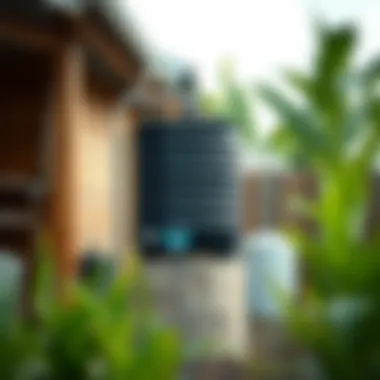
The implementation of rainwater harvesting systems offers a valuable tool for conserving water in outdoor areas. These systems collect and store rainwater from rooftops and other surfaces, making it available for reuse. One notable characteristic of rainwater systems is their adaptability; they can be as simple or advanced as one's needs dictate.
One popular choice is a rain barrel, which connects to a home's downspout, allowing rain to flow directly into the barrel for future use. This method not only conserves mains water but also reduces run-off and erosion.
The primary advantage of utilizing such systems is the significant reduction in utility costs. While there may be initial setup costs, the long-term benefits include substantial savings and decreased dependency on treated water. The downside, however, can be issues with maintenance. Accumulated debris might require regular cleaning to keep the system functioning effectively.
Benefits of Using Stored Water
The benefits of using stored rainwater are numerous, extending beyond mere convenience. For instance, collected rainwater is generally softer than tap water, making it an ideal choice for watering plants without the harsh chemicals often present in municipal water supplies. This characteristic of harvested rainwater contributes positively to plant health and growth.
Another point in favor of utilizing stored water is its accessibility during dry spells. Homeowners can tap into their reserves during a drought, lessening the strain on municipal water supplies. The primary drawback involves potential regulations around harvesting rainwater, which can vary significantly depending on location. If you're considering this method for conservation, it's wise to consult local legislation regarding rainwater collection.
Irrigation Techniques for Gardens
Drip Irrigation Systems
Drip irrigation is one of the most effective techniques employed in home gardening. It directs water straight to the plant roots, minimizing waste through evaporation and run-off. This system is becoming increasingly popular due to its efficiency and effectiveness.
The most significant attribute of drip irrigation is its ability to control water application rates, which means more consistent moisture levels in the soil. This works wonders for maintaining healthy plants and saving water simultaneously. Its benefits stretch beyond individual gardens, making a marked difference in broader conservation efforts as more households adopt this method.
One unique feature of drip irrigation is the option for automated systems that can be connected to weather stations. They adjust watering schedules based on real-time humidity and rainfall. However, it's crucial to remember that such systems require proper installation and maintenance to function optimally.
Timing of Watering
The timing of watering can also dramatically influence water usage in gardens. Watering during the early morning hours or late afternoon—when temperatures are milder—ensures less water is lost to evaporation. Timing allows for more efficient use of every drop and leads to healthier plants.
A notable characteristic of this practice is its simplicity. This means anyone can implement these changes without the need for fancy gadgets or extensive knowledge. However, it might require a bit of routine adjustment. Once you've adapted to this timing, you'll likely notice not only improved plant health but also lower water bills.
Behavioral Changes for Conservation
The significance of modifying our daily habits when it comes to water conservation cannot be overstated. As environmental challenges intensify, the call for responsible resource usage grows louder. Behavioral changes are crucial since every drop counts—literally. They not only help in conserving water but also serve as a model for others, cultivating a culture of sustainability at large. Committing to behavioral adjustments can enhance awareness of personal and community impacts, transforming mundane routines into opportunities for positive change.
Mindful Consumption Practices
Assessing Personal Water Usage
Taking a good, hard look at how much water one consumes daily can feel overwhelming but is vital. Assessing Personal Water Usage starts with understanding one’s own habits—knowing what contributes to the overall consumption can be eye-opening. This process involves tracking water used in daily activities such as cooking, cleaning, and bathing. By pinpointing high-usage areas, individuals can identify where to cut back, conveying the essential message:
"A little self-reflection can lead to big savings!"
One noteworthy characteristic of this practice is its simplicity; it’s approachable and doesn’t require major lifestyle overhauls right from the get-go. Unique tools like water tracking apps can assist in capturing this data, making it easier to stick to assessments. However, challenges exist; not everyone realizes how much water can slip through the cracks in ordinary routines. For instance, leaving the tap running for lengthy periods can inflate water bills substantially—awareness of this can spur action and change.
Setting Reduction Goals
Following an assessment, why not take it a step further by actually Setting Reduction Goals? This practice amplifies the potential for a real shift in daily water consumption. You're not just aware of your usage; you’re actively challenging yourself to do better. Goals could be straightforward, like reducing daily showers by two minutes or even committing to using a broom instead of a hose for cleaning driveways.
The beauty of setting these specific targets lies in their capacity to boost motivation. When individuals see tangible progress towards a goal, it not only feels great; it's inherently rewarding. Yet, it's important to select goals that are realistic and achievable—setting the bar too high can lead to frustration. This approach emphasizes incremental change and long-term sustainability rather than immediate perfection, reinforcing that every effort counts in the bigger picture.
Community Involvement Initiatives
Creating a ripple effect in water conservation efforts often requires pulling in the community. Support networks amplify individual achievement, turning solitary efforts into a collective movement. When communities band together, the impact multiplies.
Participating in Local Campaigns
Participating in Local Campaigns presents an opportunity to engage deeply with the surroundings while fostering a sense of belonging. These campaigns may include initiatives like clean-ups, educational workshops, or garden-sharing programs—all focused on water conservation. They echo a simple but powerful reality: **"Together we can do more."
The communal characteristic of these campaigns is their ability to unify diverse groups, sparking discussions about water conservation. Individuals contribute their stories and ways of coping, making it a thriving platform for learning. One downside might be time commitment; with busy lives, some may find it hard to squeeze these initiatives into their schedules. Still, even minimal participation can lead to increased awareness and motivation among peers.
Educating Others on Conservation
It is often said that knowledge is power. When it comes to Educating Others on Conservation, this rings especially true. Sharing insights and strategies about water conservation not only reinforces one’s own practices but also instills a sense of responsibility in others.
The heart of this initiative is awareness—helping others see the everyday choices they make concerning water. Techniques might involve organizing workshops, leading discussions, or simply chatting with friends about personal efforts. This dissemination of knowledge is critical, as people absorb information in various ways, inspiring them to be conscious by default.

Yet, this can present challenges as well; some individuals may be resistant to change. It's important to approach education with empathy and relatable examples. Awareness precedes action, and patience is often required to shift attitudes. Potential benefits far outweigh the coupla setbacks, leading to healthier, more sustainable community practices that contribute to global conservation efforts.
Smart Technology for Water Conservation
As the world grapples with a growing water crisis, implementing smart technology for water conservation in daily life emerges as a game-changer. These innovations not only ease the burden on our daily routines but also enhance efficiency, making it simpler for individuals and households to monitor and adjust their water use. Technological solutions can help detect leaks, automate watering systems, and provide real-time data, transforming how we interact with this precious resource. Let's take a closer look at some of these advancements and their role in fostering a more sustainable future.
Home Automation Solutions
Smart Sprinkler Controllers
Smart sprinkler controllers present a remarkable solution for managing outdoor water use effectively. They are designed to adjust the watering schedule based on weather patterns, soil moisture levels, and even local evapotranspiration data. By doing so, these devices help avoid overwatering or underwatering plants, which can lead to inefficient water use and unhealthy plants.
One key characteristic of smart sprinkler controllers is their ability to connect to weather forecasts. For instance, if rain is predicted, a smart system might delay irrigation for a few days. This simple adjustment can save substantial volumes of water. People often find their water bills lower after implementing such devices, highlighting their cost-effectiveness.
However, it’s essential to consider installation costs and user compatibility with existing irrigation systems. Some may find initial setup tricky, especially if they are not tech-savvy. Regardless, the long-term benefits of automated watering don’t just foster greenery; they significantly contribute to water conservation efforts.
Leak Detection Sensors
Leak detection sensors are another essential component of smart technology, playing a pivotal role in protecting water resources. These devices monitor piping systems for any signs of leaks and alert homeowners instantly. Early detection can prevent major water loss—one small leak can waste gallons of water a day. By mitigating such issues early on, these sensors not only safeguard your wallet but also lessen the environmental impact.
A standout feature of leak detection sensors is their ability to send notifications via smartphone apps. This connectivity ensures homeowners can act swiftly, even when they’re not home. Furthermore, this technology can integrate with other home automation systems, enhancing overall efficiency.
That said, while the value of leak detection sensors is clear, there are considerations to keep in mind. These devices may require a stable Wi-Fi connection and can take some initial time to set up correctly. However, their long-term savings and conservation potential make them a wise investment for any conservation-minded homeowner.
Innovative Water-Saving Devices
Low-Flow Fixtures
Low-flow fixtures have revolutionized domestic water conservation by significantly reducing the volume of water used without sacrificing performance. These fixtures are popular in modern plumbing as they utilize aerators or pressure-compensating technologies to provide a satisfactory flow while conserving water. For instance, a typical low-flow showerhead can use as little as 1.5 gallons per minute compared to the 2.5 gallons of conventional models, which adds up to significant savings over time.
What sets low-flow fixtures apart is their versatility; they can be installed in nearly every location, from kitchens to bathrooms, and can often be retrofitted onto existing plumbing systems easily. While the initial cost for these fixtures can be slightly higher than standard options, the potential for savings on water bills and the positive environmental impact makes them a favorable choice for anyone looking to make sustainable improvements in their homes.
Water-Efficient Appliances
Water-efficient appliances, like washing machines and dishwashers, represent another frontier in smart water usage. These devices are engineered to use less water while still delivering high performance. Washing machines with an Energy Star rating, for example, can save gallons with each load compared to older models.
One notable attribute of water-efficient appliances is their advancements in technology. Many modern machines have intelligent sensors that adapt the water use based on the load size and fabric type. This ensures maximum efficiency and helps to reduce waste.
The challenge with adopting these appliances often boils down to cost. The upfront expense may deter some consumers, but with the long-term water savings and potential rebates from energy companies, many find they recover their investment over time. In short, pursuing water-efficient appliances stands as a mark of progressive thinking in conservation practices, helping shape a responsible approach to water management in households.
End: A Collective Responsibility
The concept of water conservation transcends individual actions; it serves as a collective mission imperative for our shared future. As the growing global water scarcity looms over us, the urgency to confront this challenge is palpable. By recognizing the intertwined fates of individual choices and community standards, we can create a more sustainable way of living - one that not only preserves water but also cultivates a culture of responsibility.
The Role of Individuals in Conservation
When it comes to water conservation, every drop counts. Individuals play a pivotal role in this broader context. By adopting mindful practices at home, such as avoiding prolonged showers or turning off the faucet while brushing teeth, individuals can make a substantial impact. Achieving significant reductions in water usage often starts with these everyday actions, proving that small changes can lead to meaningful outcomes.
Moreover, personal initiatives can set off a chain reaction within communities. When one person takes action, it often inspires neighbors and friends to rethink their habits as well. The cumulative effect of these changes can lead to larger community movements, encouraging local governments to promote and implement more robust water conservation policies. It turns a solitary endeavor into a shared goal.
Towards a Sustainable Future
Looking ahead, the road towards a sustainable future lies in integrating conservation practices into our daily lives and societal frameworks. The interplay between individual actions and collective responsibility will shape the environment for generations to come. By prioritizing education and awareness on water conservation, we function not merely as consumers, but as stewards of our precious resources.
Here are some considerations to keep in mind:
- Support Local Initiatives: Engage with local water conservation groups, participate in community clean-up efforts, or advocate for policies that protect local water sources.
- Educational Outreach: Participate in workshops that educate others on the importance of water conservation. Knowledge is a powerful tool.
- Adopt Water-Efficient Technologies: Transition towards adopting gadgets and appliances designed to minimize water waste.
- Encourage Sustainable Practices: Be vocal about the necessity for sustainable landscaping or gardening techniques that conserve water supply.
Collective responsibility in water conservation not only safeguards our water supplies but also sets a precedent for future practices and policies. Only by working together can we hope to foster a world where water is used wisely and remains accessible for all species. Embracing this responsibility will lay the groundwork for a sustainable, flourishing planet.
The future of water conservation rests in our hands. Individually, we can make an impact; together, we can make a change.