Exploring Standup Paddle Surfing: An In-Depth Guide

Intro
Standup paddle surf, often abbreviated as SUP surf, offers a unique blend of tranquility and thrill on the water. This engaging watersport has captured the attention of enthusiasts worldwide, combining elements of surfing with paddleboarding. The rhythmic strokes of the paddle through the water can be as calming as the rolling waves beneath the board. Whether you’re drawn by the peaceful interaction with nature or the excitement of chasing waves, SUP surf invites everyone to partake.
The sport's roots can actually be traced back to ancient Polynesian culture, where paddlecraft were first utilized for exploration and fishing. Over time, this evolved into a more recreational practice, eventually leading to the formation of modern standup paddle surfing. This guide takes a thoughtful look at the essence of the sport—covering history, vital techniques, critical gear, and safety protocols that everyone should follow.
In this exploration, both newbies and seasoned surfers will find valuable insights into improving their skills while keeping in mind the need to respect our marine ecosystems. With SUP surfing gaining popularity, understanding its culture becomes essential for those wishing to dive deep into this aquatic adventure.
Let's paddle on to some key techniques and tips for those looking to enhance their surfing prowess.
Foreword to Standup Paddle Surfing
Standup paddle surfing has rapidly become a prominent fixture in the watersport landscape. Its rise in popularity goes beyond just the thrill of gliding across the water; many enthusiasts are drawn in by the blend of physical fitness, mental clarity, and the opportunity to embrace nature. This section delves into significant facets of standup paddle surfing, highlighting how it shapes the watersport community.
Definition and Overview
Standup paddle surfing is essentially a marriage of traditional surfing and paddle boarding. In this sport, individuals stand on a broad board and use a long paddle to propel themselves across the water. The origins may trace back to ancient Polynesian practices, where paddling on a surfboard was common. Today, it offers a relatively accessible entry point for those new to watersports, allowing participants of different skill levels to enjoy the ocean or lakes.
The appeal largely stems from its versatility — standup paddle surfing can be done on flat water, choppy waves, or even rivers, spanning a wide range of experiences tailored for various preferences.
For many, the act of paddling also serves as a form of meditation. Being on the water has a calming effect, promoting mindfulness away from the hustle and bustle of everyday life. Ultimately, standup paddle surfing provides a unique blend of fitness, fun, and tranquility.
Distinctions from Traditional Surfing
While both standup paddle surfing and traditional surfing share common elements, several distinctions set them apart.
- Required Skill Level:
- Equipment Differences:
- Learning Curve:
- Paddling Technique:
- Traditional surfing typically demands a more advanced skill set, including the ability to catch and ride waves. In contrast, paddle surfing is often seen as more accessible for beginners since it allows for easier balance and maneuvering on flat waters.
- The boards used are quite different. Paddle boards are generally wider and longer, providing more stability, whereas traditional surfboards are narrower, allowing for rapid turns and higher speeds in the waves.
- In paddle surfing, the learning curve is generally milder. Newcomers can quickly learn to navigate small waves or flat water, whereas traditional surfing often involves extensive practice just to stand up on the board.
- The paddling stroke itself is crucial for propulsion. Standup paddle surfers rely on a specific technique to maximize efficiency, while traditional surfers focus on timing and positioning to catch waves.
Understanding these differences is essential for enthusiasts who may want to explore both sports, as each offers distinct lessons and experiences.
Standup paddle surfing isn't merely a watersport; it's a way to connect with nature, promote wellness, and unite communities.
Historical Context
Understanding the historical background of standup paddle surfing provides vital insights into how this sport has evolved and gained popularity over the years. Recognizing the journey from humble beginnings to the dynamic activity it is today enriches the experience for both enthusiasts and beginners alike. Historical context sets the stage, highlighting various aspects such as the cultural influences, technological advancements in equipment, and shifts in public perception. This framework helps to appreciate not just the sport itself but the community and environmental values that have grown alongside it.
Origins of Standup Paddle Boarding
The roots of standup paddle boarding can be traced back to ancient Polynesian fishermen who used large boards to navigate the waters while casting their nets. These early paddlers adeptly harnessed the power of both paddle and ocean, establishing a practice that directly influenced the development of modern surfing. As the concept of standup paddling caught on in the 20th century, it was popularized in the surfing hotspots of Hawaii, particularly by iconic figures like Duke Kahanamoku, a renowned Olympic swimmer and surfing ambassador.
What began as a practical mode of transport transformed into a recreational activity, capturing the attention of local surfers looking to enjoy the ocean while developing core strength and balance. The simplicity of using just a paddle and a board made it accessible for individuals of all ages and fitness levels. As the sport burgeoned in popularity throughout the 1960s and 1970s, manufacturers began to create specialized equipment that catered to the needs of paddle boarders. This set the groundwork for what would evolve into contemporary standup paddle surfing.
Evolution into Standup Paddle Surfing
By the early 2000s, standup paddle boarding began its metamorphosis into standup paddle surfing. Athletes started experimenting with riding waves while standing on their boards, leading to a new realm of possibilities in the sport. The introduction of specific designs, such as shorter, more agile boards, catered to the needs of surfers looking for performance rather than just leisure.
The emergence of competitive events, along with media coverage through various platforms, played a crucial role in fostering a robust community around standup paddle surfing. World championships, amateur competitions, and even casual meet-ups started taking shape, leading to greater camaraderie among participants. Notably, events such as the World StandUp Paddle and Paddleboard Association (WSUPA) championships galvanized interest and invited a diversity of participants.
Moreover, the sport's growth was backed by an ever-increasing emphasis on environmental stewardship, which resonated with surfers and conservationists alike. Many initiatives arose to promote safe and responsible paddling practices, highlighting the need to protect our oceans, rivers, and lakes.
Standup paddle surfing has turned into a globally recognized activity, merging fitness, adventure, and a respect for nature. Its journey highlights the blend of culture and sport, paving the way for new generations interested in ocean activities.
Equipment Essentials
In the world of standup paddle surfing, having the right equipment is crucial for enhancing your experience and ensuring safety on the water. This section explores the essential gear needed, focusing primarily on paddle boards, paddles, and crucial safety accessories. Each of these components plays a significant role in making your time on the waves enjoyable and efficient, whether you’re a novice or a seasoned rider.
Types of Paddle Boards
Inflatable Paddle Boards
Inflatable paddle boards are a favorite among many for their versatility and ease of storage. These boards, made from durable materials, can be inflated and deflated as needed, making them incredibly portable. This characteristic is particularly beneficial for travelers or those with limited storage space. The ability to roll up an inflatable paddle board allows enthusiasts to take their passion anywhere, from lakes to oceans, without needing a truck or trailer. However, while they offer the benefit of easy transport, they might not perform as robustly in rough conditions compared to heavier boards. This trade-off is often worth it for recreational paddlers looking for convenience.
Rigid Paddle Boards
Rigid paddle boards, typically crafted from epoxy or fiberglass, are known for their durability and performance in the water. A significant characteristic of these boards is their ability to glide smoothly over waves, which is essential for those looking to catch a few swells. The stiff construction provides enhanced stability, making it easier to maintain balance while paddling. While they may be challenging to transport due to their size and weight, experienced surfers often prefer them for serious watersports. These boards can withstand rougher conditions, making them valuable for those committed to honing their surfing skills.
Performance Boards
For enthusiasts aiming to take their paddle surfing to the next level, performance boards are specifically designed for speed and agility. They come with a narrower shape that allows for quick maneuvering and responsive handling. One key feature is the addition of fins that enhance tracking and allow surfers to carve turns more effectively. While performance boards can be attractive for their advanced capabilities, they may not be suitable for new paddlers who require more stability. Choosing the right type of paddle board ultimately depends on your experience level and the conditions you intend to navigate.
Choosing the Right Paddle
Paddle Materials
When it comes to selecting a paddle, the material plays a vital role in both performance and comfort. Paddles are typically made from aluminum, fiberglass, or carbon fiber. Aluminum paddles tend to be more affordable and durable, but can be heavier and less comfortable during prolonged use. On the other hand, fiberglass paddles offer a decent balance between weight and affordability, making them a popular choice among intermediates. Carbon fiber paddles, while often pricier, provide the lightest and stiffest option, allowing for optimal performance on the water. Choosing the right material is essential as it directly affects paddling efficiency and fatigue on longer excursions.
Length and Weight Considerations
The length and weight of a paddle are essential factors in ensuring comfort and ease of use in the water. Generally, paddles should reach around 6 to 8 inches above the paddler's height when standing upright. A longer paddle is advantageous for reaching further out into the water, while a shorter paddle offers better maneuverability and control, particularly in waves. The weight of the paddle should also match the paddler's physical capability, especially if long distances are on the agenda. Having a paddle that is too heavy can lead to fatigue and discomfort, so it’s wise to consider your strength and paddling style when making a selection.
Safety Gear and Accessories
Leashes and Life Jackets
Safety gear is non-negotiable when engaging in any watersport, and standup paddle surfing is no exception. A leash connects paddlers to their boards, ensuring that in the event of a fall, they won't be stranded far from their equipment. This is key for maintainin safety, especially in choppy waters or when navigating through waves. Life jackets, on the other hand, are critical in keeping paddlers buoyant should an emergency arise. When selecting these safety items, it’s vital to choose products that are comfortable, functional, and comply with local regulations.
Sun Protection
Standup paddle surfing exposes paddlers to prolonged sun exposure. Hence, sun protection is vital to avoid harmful UV rays. Sunscreens with high SPF, UV-protective clothing, and polarized sunglasses are essential items to have on hand. The reflection of sunlight off the water can amplify sun strength, increasing the likelihood of burns. Taking precautions not just enhances comfort but ensures your health remains intact for continued enjoyment of this thrilling sport.
Paddling Techniques
Paddling techniques form the backbone of standup paddle surfing; they significantly impact balance, efficiency, and overall performance on the water. Mastering these skills not only supports the physical aspects of the sport but also fosters a deeper connection to the elements, allowing paddlers to respond adeptly to shifting sea conditions. A solid understanding of paddling can enhance one’s maneuverability on the board, leading to more enjoyable and safer experiences on the water.
Basic Strokes and Movements
The foundation of standup paddle surfing lies in the basic strokes and movements, which are essential for navigation and propulsion.
- Forward Stroke: This is the main stroke to get you moving. It involves a sweeping motion of the paddle through the water. Keeping your body stable while extending your arms will ensure a smooth and effective push.
- Reverse Stroke: For slowing down or moving backward, the reverse stroke is key. You place the paddle in the water behind you, dragging it towards your feet. Not only does this help in controlling your speed, but it also assists in making precise turns.
- Sweep Stroke: This stroke is vital in turning your board. By sweeping your paddle away from the board in a wide arc, you can pivot the nose in the desired direction, making turns more fluid.
- Feathering: Changing the angle of the paddle blade while moving through the water can minimize resistance, especially in windy conditions. Just a little twist can make a big difference.
Getting these strokes down pat allows beginners to navigate waters better while giving seasoned paddlers a way to conserve energy and navigate more efficiently.
Turning and Maneuvering
Turning and maneuvering on a paddleboard requires skill and anticipation. The key is understanding your board’s dynamics and learning how it reacts in water.
- Weight Distribution: Leaning slightly forward or backward shifts your center of gravity. This determines how easily you can pivot or turn.
- Use the Paddle: Your paddle is not just for propulsion; it’s an essential tool for maneuverability. Engaging the blade strategically helps in direction changes without losing speed.
- Cross-Bow Turn: This is an advanced maneuver where you lift the tail of the board out of the water during a turn, making sharp pivots much smoother.
These techniques allow surfers to navigate waves and obstacles effectively. Knowing how to control your board with style is a matchless pleasure that sets skilled paddlers apart.
Advanced Riding Techniques
Delving into advanced riding techniques reveals the art and thrill of standup paddle surfing.
Surfing Waves
Surfing waves brings an exhilarating aspect into the fold of standup paddle surfing. Not only does it challenge your skills and stamina, but it also tests your understanding of wave patterns. The surge of momentum gives riders a unique feeling of connection with the water's energy. Catching a wave requires timing and positioning, and it's crucial to paddle hard in the direction of the wave's approach. Riding the face of the wave offers a fluid experience as one glides effortlessly alongside the swells.
However, it’s not without its challenges.


- Balance: Waves often create an unpredictable environment. Staying balanced is especially crucial as the board can move unexpectedly.
- Equipment: Not all boards are suitable for wave riding; performance boards are designed to handle the dynamic motion of the sea.
Overall, the experience isn't just about riding; it's about the joy of engaging directly with the natural forces at play.
Carving and Tricks
Carving and tricks are where creativity meets skill in standup paddle surfing. They transform routine paddling into something dynamic and expressive. Carving involves a sharp turn, allowing riders to engage with the wave more actively. It not only demonstrates proficiency in control but also facilitates navigating around other surfers or obstacles seamlessly. Momentum is your friend here; using your body weight to shift and angle the board is a key characteristic of powerful carving.
Trick maneuvers showcase style and personal flair. From spins to jumps, tricks require practice but lead to exceptional moments on the water. Learning tricks enhances balance and mastery of the surfboard, helping establish a personal style and confidence.
As with any advanced technique, carving and tricks can be tough to nail down. Not all attempts will succeed, and falls are part of the learning curve. But the satisfaction of finally landing a trick is a rewarding experience that keeps paddlers returning for more.
In summary, refining paddling techniques, mastering basic strokes, learning to maneuver effectively, and tacking on advanced skills can dramatically elevate your standup paddle surfing experience. These techniques not only enrich your time on the water but also foster a profound respect for the sport and the environment.
Safety Considerations
When it comes to standup paddle surfing, prioritizing safety is non-negotiable. Navigating ocean waters while balancing on a board combines excitement and risk. This section dives into what makes safety considerations essential for both beginners and seasoned enthusiasts. Understanding how to read ocean conditions, recognizing potential hazards, and equipping oneself correctly can not only enhance the experience but also save lives.
Understanding Ocean Conditions
Before paddling out, it's imperative to have a competent grasp of ocean conditions. Factors such as wave height, water current, and windiness can dramatically affect your stability and progress on the board. It's not just about the different types of waves but also about understanding their behavior.
An important point is tide changes. High tides can bring vast amounts of water and current which may surprise an unprepared rider. Conversely, low tides present challenges, particularly in areas with shallow reefs or sandbars. Always check local tide charts and weather conditions prior to heading out.
Key Point:
- Even experienced surfers can be caught off guard by sudden changes.
Avoiding Hazards
Rip Currents
Rip currents are powerful, narrow channels of fast-moving water that can pose a significant danger to paddle surfers. Understanding how they form and where they commonly occur is critical. They typically happen at low spots on sandbars or gaps in piers and can pull even strong swimmers away from the shore.
A unique feature of rip currents is their strength. They can move at speeds of up to 8 feet per second—faster than any human can swim. For this reason, recognizing these currents and avoiding them is fundamental. Experts recommend swimming parallel to the shore to escape a rip current rather than fighting against it.
"When in doubt, paddle out! Just steer clear of those sneaky rip currents that can turn a chill day into a hassle."
Marine Life
The ocean is home to diverse and often breathtaking wildlife. However, paddlers need to remain aware of their surroundings. Encounters with marine life can be exhilarating, but some creatures can be dangerous. Take, for instance, jellyfish; their stings can ruin a perfect day in the water. The common sea urchin is another—its spines can be venomous, so awareness of your footing while paddling is wise.
Being cautious with marine life isn't only a safety measure; it's a respectful stance towards the habitat we enjoy. Avoid touching and disturbing wildlife, and always keep a safe distance from larger animals like sharks. As a guide, using polarized sunglasses can help you see underwater and avoid areas known for significant marine activity.
In essence, understanding these safety considerations not only fortifies your paddle surfing skills but also enhances your enjoyment on the water.
By fostering awareness and respect towards both ocean conditions and marine life, surfers can congruently pursue adventure while ensuring their own wellbeing and that of the environment.
Health and Fitness Benefits
The realm of standup paddle surfing extends far beyond the exhilarating experience of gliding over waves. The profound health benefits that come with this activity make it a treasure trove for those seeking not only adventure but also wellness. In a world where sedentary lifestyles are becoming the norm, engaging in standup paddle surfing presents an opportunity to blend enjoyment with fitness goals. This section explores the various dimensions of health and fitness that come into play when embracing this captivating sport.
Physical Health Advantages
Participating in standup paddle surfing serves as an outstanding full-body workout. The act of balancing on the board requires core stability, thereby engaging muscles in ways that traditional workouts often cannot. The push and pull of paddling work the arms, shoulders, and back, akin to an upper body strength training routine. It’s like fighting against invisible currents that sculpt your physique while bringing you closer to nature.
- Cardiovascular Improvement: Paddle surfing elevates your heart rate, promoting better circulation. The rhythmic nature of paddling can work wonders for cardiovascular health much like jogging or cycling.
- Muscle Tone and Strength: The constant shifting of weight and maintaining balance can help develop not just major muscle groups but also smaller stabilizing muscles, enhancing overall agility. With time, you might even start noticing definition in places you never thought possible.
- Flexibility and Coordination: Bending your knees, reaching out to paddle, and adjusting your body according to the waves demands coordination and flexibility that isn’t easily achieved in a gym. The dynamic environment keeps your body guessing, leadin to overall better flexibility.
The combination of these physical aspects can significantly enhance your overall fitness levels. Standup paddle surfing has a unique ability to intertwine fitness with fun, making the effort feel less like a chore, and more like play.
Mental Well-Being
The indelible connection between nature and mental health is widely acknowledged. Standup paddle surfing offers a chance not just for physical exertion but for mental rejuvenation as well. The serene waters and breathtaking coastal views work wonders on psychological well-being, inviting a meditative state of mind.
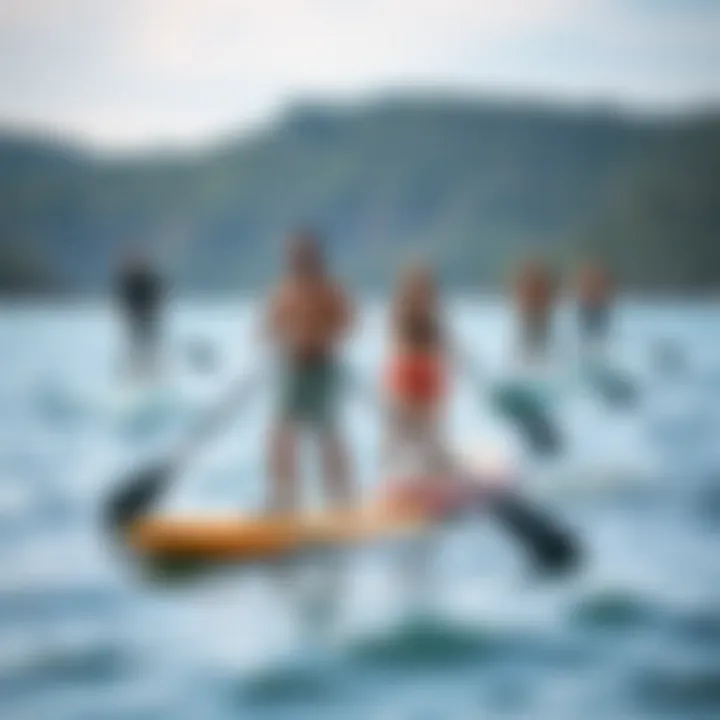
- Stress Relief: Being out on the water and away from daily distractions provides a natural escape. Studies show that spending time outdoors can lower cortisol levels and help alleviate anxiety. Paddle surfing transforms a simple outing into a retreat for the soul.
- Enhanced Focus: Maneuvering through waves requires concentration, which acts as a form of mindfulness training. Staying sharp while engaged in paddling can improve overall mental clarity, benefitting problem-solving and creativity in daily life.
- Community Connection: Joining a group of fellow paddle surfers offers social support, fostering friendships that enrich your life. Engaging in uplifting conversations while sharing experiences boosts happiness and diminishes feelings of isolation.
Paddle surfing nurtures an intricate tapestry of physical and mental health elements, making it a holistic approach to a healthy lifestyle.
In sum, the health and fitness benefits are not merely an afterthought when it comes to standup paddle surfing. Rather, they form the cornerstone of why many enthusiasts are drawn to the sport in the first place. Whether you’re looking to tone your physique or unwind your mind, the waters await you.
The Cultural Landscape of Standup Paddle Surfing
Standup paddle surfing is not just about being on the water; it has grown into a vibrant culture that intertwines a love for the ocean, community building, and an emphasis on preserving the environment. As the appeal of this sport expands globally, it brings together diverse groups of people who share a passion for adventure and marine conservation. This cultural landscape is crucial in understanding standup paddle surfing because it highlights not only the joys of the sport but also the communal ties and responsibilities that come with it.
Community and Events
Communities around standup paddle surfing are as varied as the waters they paddle on. Every year, various gatherings and competitions unite enthusiasts, from casual paddlers to fierce competitors. Local clubs often organize events such as race series, charity paddles, and festivals that not only celebrate the sport but also foster friendships and camaraderie. An example of this is the Annual SUP Festival in Amelia Island, Florida, which gathers paddlers for races, clinics, and fun demos, fostering an inclusive atmosphere for all.
Moreover, these gatherings often serve as platforms for teaching and awareness. Participants learn from expert paddlers and instructors, discovering new techniques and gaining insights into paddle board technologies and tactics, all while enjoying the thrill of camaraderie on the water. These community events help people to bond over a shared love and respect for the ocean, reinforcing that standup paddle surfing is more than just an individual sport; it’s about the community it builds.
Conservation Efforts
With an increasing number of individuals drawn to standup paddle surfing, the sport inherently carries a responsibility towards environmental stewardship. Many within the community advocate for conservation initiatives, focusing on the health of oceans and waterways. Non-profit organizations often work with paddleboarders to facilitate clean-up events aimed at reducing plastic waste and protecting marine ecosystems.
One prominent initiative is the Surfrider Foundation, which integrates ocean conservation into surfing culture. Their efforts not only address local pollution issues but also promote sustainable practices among surfers and paddlers. This march towards conservation is crucial as it aligns the sport with the broader goal of preserving the marine environment. Just as paddlers navigate waves, they also navigate the complexities of responsible engagement with nature, ensuring that future generations can enjoy the thrill of standing atop a board on serene waters.
"Standup paddle surfing is a mirror of how we connect with our environment; the waves we conquer are the same that we must protect."
Through the lens of community and conservation, the cultural landscape of standup paddle surfing is rich and multifaceted. It offers not only recreational benefits but also encourages a lifestyle that is centered on respect for both fellow paddlers and the ocean itself. As more people join this sport, the cultural significance of paddle surfing will continue to grow, influencing how societies interact with nature and each other.
Adopting Sustainable Practices
Standup paddle surfing may be a thrilling way to interact with the ocean, but with great fun comes great responsibility. Embracing sustainable practices is crucial for maintaining the delicate balance of marine ecosystems while ensuring the sport remains enjoyable for generations to come. An awareness of our environmental footprint can make a huge difference in preserving waters for both human and wildlife. By adopting sustainable practices, surfers not only protect nature but also inspire others in the community to follow suit.
Environmental Awareness
An essential aspect of practicing sustainability in standup paddle surfing is developing a keen sense of environmental awareness. This involves understanding how our activities impact the ocean and its surroundings. For instance, the choice of materials used for paddle boards can have lasting ramifications on the environment. With traditional boards often made from harmful plastics and synthetic materials, a movement toward eco-friendly options can begin a positive shift in the industry.
Furthermore, when spending time on the water, being cognizant of wildlife habitats is key. Avoiding sensitive areas such as nesting sites for marine birds or coral reefs will not only protect these ecosystems but also increase our chances of witnessing the rich marine life up close. As the saying goes, "Leave only footprints, take only memories." Respect for nature extends beyond our immediate engagement—it means fostering an appreciation for the beauty that surrounds us.
- Learn the seasonal migratory patterns of marine life in your area to minimize disturbances.
- Join local organizations dedicated to environmental conservation to stay informed and involved.
"We do not inherit the earth from our ancestors; we borrow it from our children." This adage captures the essence of our responsibilities as surfers.
Support for Eco-Friendly Brands
In today’s market, surfers are fortunate to have a plethora of options when it comes to eco-conscious products. Supporting brands committed to sustainability not only champions the right causes but also incentivizes others to prioritize the environment. Many companies now produce equipment made from recycled materials or sustainably sourced inputs, aiming to lessen the environmental impact we create while enjoying our beloved sport.
When looking for paddle boards or accessories, consider the following factors:
- Material Transparency: Brands that openly share their materials' sources speak volumes about their values.
- Sustainable Manufacturing: Support companies that utilize renewable energy in their production processes.
- Community Engagement: Brands that actively participate in conservation efforts reflect a dedication beyond mere profit.
Ultimately, our collective efforts can significantly impact the ocean's health. By aligning our purchasing decisions with environmentally-friendly practices, we contribute to a wave of change.
By committing to sustainability, we're not only preserving the ocean but also leaving a richer legacy for future surfers. It’s a chance for all of us to enjoy the waves we love while nurturing the ocean that provides them.
End
Bringing the exploration of standup paddle surfing to a close, it’s clear how this sport not only captures the thrill of surfing but also fosters a deep connection with nature. Each stroke on the water is not just a means of propulsion, but a bridge between the athlete and the environment. This balance — between human skill and the vastness of the ocean — defines the essence of standup paddle surfing.
Reflecting on the Standup Paddle Surf Journey
When we take a step back and reflect on our standup paddle surfing journey, it’s more than just learning to ride the waves or mastering the technique. It’s about the joy of exploring uncharted waters, feeling the pulse of the sea beneath the board, and understanding the local ecosystems we engage with. Whether you initially started this sport to ride the wild waves or simply to enjoy the view while paddling, the journey brings with it a myriad of experiences. Each session on the water teaches us resilience, respect for nature, and the camaraderie shared with fellow paddlers.
Moreover, the memories we create — whether it’s catching a perfect wave or witnessing a stunning sunset reflecting on the water — become integral to our identity as paddlers. Getting better comes naturally with practice, but what stays with us are those unique moments that elevate the sport into something truly unforgettable.
Encouragement for New Enthusiasts
To the newcomers, there’s no need to feel overwhelmed. Everyone starts somewhere, and the beauty of standup paddle surfing lies in its inclusivity. Don’t shy away from asking questions or seeking help; the community is largely supportive. Maybe you’ve seen others effortlessly gliding across the water and thought it was out of reach. But remember, every expert was once a beginner, and the only way to truly learn is by getting out on the water.
Embrace every stumble and challenge; they’re all part of the journey. Maybe one day you’ll look back and realize how those first wobbly attempts prepared you for the thrills still to come.
So grab a paddle, seek out calm waters, and allow the waves to guide you toward new adventures. Eventually, every swerve and swell will become second nature as you carve your own path in this vibrant world.
The ocean is vast, but with every adventure in standup paddle surfing, it feels just a little smaller.