Discovering Maui's Premier Surf Spots and Culture
Intro
Maui stands out as one of those rare gems where the ocean calls out to not just the locals but also to adventurers from all corners of the globe. Surfing isn’t merely a sport here; it's woven into the very fabric of the island's culture and history. The panoramic views, coupled with the roar of the waves, create a remarkable backdrop that beckons surfers to take to the waters.
In this article, we will embark on a comprehensive journey through Maui's top surfing spots. We’ll take a closer look at the unique characteristics of each wave, the accessibility of different beaches, and the seasonal variations that impact surf conditions. Surfing in Maui is more than just catching a wave; it’s about understanding the community that thrives around this iconic activity. We will also touch on the local surf culture and consider the ecological factors at play, crafting a well-rounded perspective that surfers, enthusiasts, and travelers can appreciate.
From vital techniques for beginners to advanced maneuvers for seasoned riders, this guide aims to equip you with not only the skills but also the knowledge needed to navigate the powerful surf of Maui. Additionally, we will highlight essential gear that can enhance your surfing experience, ensuring you are well-prepared before you hit the waves.
Whether you're looking to ride the famous breaks or just soak in the vibrant culture that surrounds this water sport, Maui has something for everyone. Get your board ready, and let’s dive into the excitement that awaits!
Techniques and Tips
Essential Surfing Techniques for Beginners
If you’re new to surfing, it can feel like trying to juggle with one hand tied behind your back. But fear not; with practice and the right techniques, you'll find your balance in no time. Here are some foundational tips to jumpstart your surfing journey:
- Paddling: This is where your surfing adventure begins. Strong paddling skills are essential to catching waves. Make sure you use long, smooth strokes and keep your body aligned for better speed.
- Pop-up Technique: When you feel a wave lift you, it’s time to pop up. Get your feet under you quickly. A common mistake is lingering too long on your stomach. Practice popping up on land before hitting the water.
- Positioning: Understanding where to sit on your board is crucial. Too far back, and you risk nosediving; too far forward, and you’ll miss the wave. It requires a bit of intuition, but you’ll get a feel for it.
Advanced Maneuvers for Experienced Surfers
Once you've honed your basics, it’s time to explore some advanced techniques. These moves can help you stand out in the lineup:
- Cutbacks: This maneuver allows you to change direction quickly and maintain speed while riding the wave. It’s all about timing and following the wave’s energy.
- Aerials: While this might seem flashy, mastering aerials can really elevate your surfing game. Timing your jump and using the wave’s energy are key. Be prepared for a soft landing!
"The ocean is a canvas and each wave is a brushstroke; approach it with respect and creativity to create your own masterpiece."
- Tube Riding: It’s the dream of many surfers. This requires skill in choosing waves that are hollow enough to ride through. Patience and practice lead to successful tube experiences.
Maui offers a rich playground for both novices and seasoned surfers alike. As you gather these skills, the island's waves will become more than just challenges; they’ll transform into opportunities for personal growth and adventure.
Gear and Equipment
Top Surfboards of the Year: Comprehensive Reviews
Choosing the right surfboard is akin to picking the right tool for a job; it can make all the difference. Here’s a quick look at some of the top surfboards currently making waves in the industry:
- Channel Islands Go Fish: A versatile board great for a variety of conditions. It offers stability and speed, perfect for intermediate surfers aiming to improve.
- Firewire Seaside: Known for its paddle speed and carving ability, this board is suitable for surfers looking to catch more waves while maintaining control.
- Lost Rocket: Ideal for advanced surfers seeking performance. Its design allows for quick turns and high-speed maneuverability.
Must-Have Accessories for Every Surfer
Beyond the board, having the right accessories can enhance your overall surfing experience:
- Leash: essential safety equipment that keeps your board attached to you. A good leash can prevent potential injuries or lost boards.
- Wax: Surfboard wax is necessary for grip. Make sure to choose the right type based on water temperature.
- Wet Suit: Depending on the time of year, a wet suit can provide warmth and comfort during those long sessions in the water.
Understanding these facets of Maui surfing not only prepares you for the waves but also enriches your connection with the local culture and community. As you gear up for your surfing adventure on this beautiful island, you'll find that every swell has a story to tell.
Intro to Surf Culture in Maui
Maui's surf culture is not just about catching waves; it's a rich tapestry woven from history, community, and a unique connection to the ocean. This article delves into why that culture matters, particularly for surfers and enthusiasts who want a deeper understanding of the rhythm that drives the island. Embracing the local customs and practices can enhance one’s experience, whether a novice paddling out for the first time or a seasoned pro picking their next challenge.
Central to this culture is a sense of respect—not just for the ocean but for the traditions that have shaped surfing into what it is today. It’s essential to grasp these underlying values if you aim to truly immerse yourself in Maui's surf scene. The interconnection between surfing and the land, the people, and the waves defines the island’s unique spot within the global surfing community.
The Historical Context of Surfing in Hawaii
Surfing, known as heʻe nalu in Hawaiian, has ancient roots in the islands of Hawaii. It was more than a sport; it was an art form and an integral part of Hawaiian life. Early records from the 17th century demonstrate that surfing was a way for Hawaiian kings and commoners alike to connect with nature. Every ride was a dance upon the ocean's surface, and the sport served as a demonstration of skill, grace, and personal prowess.
Men would often ride wooden boards carved from trees, while women typically had their own boards for riding. These traditions remain central to full understanding of Maui’s own evolving surf culture.
While intricate, the history of surfing in Hawaii reflects its community spirit—its rituals, its competitions, and, perhaps most importantly, its connection to both the land and sea. Nelson Makua, a prominent figure in surf history, once remarked, “Surfing is a way of life,” a sentiment that echoes strongly among the locals.
Maui's Role in the Global Surfing Scene
Maui holds a special place in the hearts of surfers worldwide. With its diverse wave conditions, it attracts adventurers from all corners of the globe. Iconic spots like Jaws and Hookipa Beach are as revered as they are challenging, offering waves that can transform any surfer's perspective on the sport.
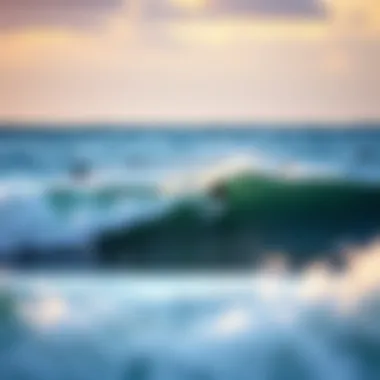
Think about it: On any given day, you can see an eclectic mix of surfing styles—longboarders gliding smoothly alongside shortboarders carving aggressively through powerful swells. This melting pot of techniques fosters innovation, not just in riding styles, but in board design, coaching methodologies, and ocean awareness.
The influence of weather patterns, powerful swells, and seasonal changes creates a dynamic environment for surfers. It gives them the opportunity to hone their skills and push their limits, further solidifying Maui’s status as a surf haven. Additionally, local competitions, cultural events, and educational programs promote both surfing as a sport and the preservation of its cultural roots.
As such, the island is not just a destination; it’s a lifecycle. Surfers come and go, but the spirit of surfing in Maui continues to thrive and evolve.
Understanding Maui's Geography and Waves
Maui’s topography is a canvas, painted with rugged volcanic mountains, idyllic beaches, and lush valleys. This unique setting does not only cater to picturesque views but plays a crucial role in shaping the surfing conditions that attract both avid surfers and casual enthusiasts from around the globe. Understanding the geography of Maui and how it influences the dynamics of waves is vital for anyone looking to ride the powerful surf or simply appreciate the art of surfing.
The interplay of wind patterns, seabed topography, and coastal geology is a constant dance, culminating in a complex surfing environment. These factors dictate wave formation and size, ultimately affecting where every surfer—be it a beginner or a seasoned pro—finds their rhythm.
Geographical Features Impacting Surf Conditions
Maui's geography features a patchwork of natural elements that actively influence surf conditions. Some key geographical features include:
- Volcanic Origins: The island was formed by volcanic activity, primarily from the Haleakalā volcano. This results in varying depths and shapes of the sea floor, influencing the way waves break. Surfers looking for challenging conditions often gravitate toward offshore reefs where underwater formations create barreling waves.
- Trade Winds: Typically blowing from the northeast, these consistent winds are essential for creating swell on the north shores of Maui. Locations like Hookipa Beach become windsurfing hotspots due to strong trade winds, which shape the surfing and windsurfing experience.
- Coastal Structure: The rugged coastline of Maui offers a mix of sandy beaches and rocky outcroppings. This variety creates different surfing environments—the rocky points provide powerful waves suited for experienced surfers, while the sandy beaches often accommodate novices looking to catch smaller, more manageable waves.
"Surfing isn’t just about the waves; it’s a dialogue with nature that takes place between land and sea."
Types of Waves and Their Dynamics
Understanding the types of waves present in Maui helps surfers prepare for what they will encounter. Here are the main categories:
- Beach Breaks: Common along sandy shores, these waves break over sand and are often more forgiving. Locations like Kaanapali Beach serve as a suitable entry point for beginners, providing mellow conditions that allow novice surfers to practice in a supportive environment.
- Point Breaks: As the name suggests, point breaks occur where waves wrap around a point of land. Honolua Bay is a perfect example, producing spectacular waves that are more suited to intermediate and advanced surfers who appreciate the challenge of longer rides.
- Reef Breaks: These can deliver some of Maui’s most powerful waves. Jaws (Peahi) is an iconic location where waves can swell to incredible heights and are suitable only for the most skilled surfers. The underwater reef shapes these waves into dramatic rides, ensuring an adrenaline rush for those ready to tackle them.
- Wind Swells vs. Ground Swells: Wind swells are typically shorter and choppy, influenced by the local wind patterns, while ground swells, originating from distant storms, result in larger, more organized waves. The seasonal shifts in these swells dramatically alter what surfers can expect throughout the year.
Top Surf Spots in Maui
Maui is home to a variety of unique surf spots, each offering its own character and wave conditions. These locations do not just attract surfers from around the globe; they nurture a community deeply intertwined with the natural environment. Understanding these surf locations is fundamental for any surfing enthusiast. First, one must consider the species of waves, local culture, and prevailing environmental conditions. Each spot provides not only distinct waves but also different levels of accessibility, which can greatly influence surfing experiences. This exploration of Maui’s prime surf locales highlights accessibility, the types of waves suited for various skill levels, and the cultural significance these beaches hold.
Hookipa Beach: A Renowned Wind and Wave Destination
Hookipa Beach is celebrated far and wide, especially for its windsurfing conditions. The waves here offer a wonderful blend of power and challenge, making it a go-to spot for skilled surfers and windsurfers alike. The north shore hosts waves arriving from the ocean with unyielding force, producing swells that keep even the most seasoned surfers on their toes. Its reputation as a training ground for professionals has earned it a special place in the surfing community.
Why is Hookipa important? This beach acts as a showcase for the melding of natural talents and cultivated skills. Because of the consistent waves and shore breaks, surfers often find the perfect mixture for training and honing their skills.
"At Hookipa, you not only surf; you become part of a rich tapestry of surf culture that runs deep in Maui."
Jaws (Peahi): The Big Wave Phenomenon
When it comes to big wave surfing, Jaws, known locally as Peahi, is a titan among the Hawaiian surf spots. The waves here can reach heights of twenty to sixty feet during the winter months; these formidable swells draw in the bravest surfers from all corners of the world. The sheer size and power of the surf at Jaws require uncanny skill and experience, as well as respect for the sea’s unpredictable nature. Peahi is not just about riding waves; it’s a testament to the courage and skill of those willing to challenge the ocean's might.
During competitions, the atmosphere is electric, with onlookers gathering to witness these stunning displays of surfing prowess.
Kaanapali Beach: A Balanced Spot for All Levels
Kaanapali Beach straddles the line between stunning beauty and practical surfing conditions. This beach caters well to both beginners and intermediate surfers, making it a family-friendly destination. The waves are generally gentler here, especially during summer months. As a result, it serves as an excellent environment for learners looking to grasp foundational skills in surfing.
Families often flock to Kaanapali, creating a vibrant atmosphere filled with laughter and surf lessons. In addition to surfing, the area is dotted with resorts and amenities, providing everything necessary for a day of relaxation after a session on the water.
Honolua Bay: A Surfing Sanctuary
Honolua Bay is often viewed as a hidden gem among Maui’s surf spots. Protected by lush greenery, this location provides a scenic backdrop that complements the waves it boasts. The bay is famous for its excellent right-hand break that delights longboarders and shortboarders alike. What sets this spot apart is its natural beauty and the sense of tranquility that envelopes surfers.
The waters here are often glassy, especially in the mornings, offering exhilarating rides. Many local surfers have come to cherish this location as a sanctuary where one can connect with nature while riding perfect waves.
Lahaina Harbor: A Local Favorite
Lahaina Harbor is more than just a surf spot; it's a celebration of local life. This area showcases an array of surfable waves suitable for all skill levels, making it an inclusive community hub. Those visiting Lahaina can find surfboards for rent and surf schools for mentoring novice surfers, making it a perfect blend of leisure and learning.
The bustling environment captures the essence of Hawaiian surf culture, where everything from sunset views to wildlife encounters enriches the overall experience. Plus, you can enjoy the vibrant nightlife and local cuisine after a day spent riding waves.
Seasonal Changes and Their Influence on Surfing
Understanding the seasonal shifts in Maui can be the difference between catching the ride of your life and being left high and dry. These changes don’t just influence which beach to surf on; they also affect wave size, strength, and conditions. The coastal environment of Maui, with its ocean currents and trade winds, creates a varied surfing experience throughout the year. Knowing these seasonal nuances is pivotal for surfers, instructors, and enthusiasts alike.
Winter Waves: Power and Size
Winter waves in Maui are not for the faint-hearted. During this season, which typically runs from November to March, the island transforms into a hub for thrill-seekers who are hunting down powerful swells. Waves here can grow to monumental heights, often reaching double or even triple overhead. For experienced surfers, this is when you want to paddle out to spots like Jaws or Peahi, known for their jaw-dropping wave power.
- High Energy: The winter months bring in consistent north swells, making Maui a global surfing hotspot. These waves are characterized by their steep faces and erratic breaks, offering seasoned surfers a chance to showcase their skills while riding some of the most iconic waves in the world.
- Challenging Conditions: While the size of the waves can thrill, it also heightens the risk. Strong currents and unpredictable wave behavior can pose challenges even for skilled surfers. It’s crucial to know your limits and assess conditions before heading out. Local knowledge is key here.
Winter surfing in Maui creates a unique blend of adrenaline and respect for the ocean. Although it brings larger waves, it also fosters a community spirit as surfers share the waterways, offering tips about the swirling waters.
Summer Swells: More Gentle Conditions
As the season shifts to summer, the ocean reveals a different side, often described as more inviting for a broader range of surfing abilities. From approximately May to October, the waves tend to mellow out. This is not to say they lack excitement, just they’re generally more manageable and friendly for surfers of varying experiences.
- Smaller Swells: Summer swells typically come from the south, providing fun yet less aggressive waves. It’s the climate where beginners can learn to pop up on their boards without the overwhelming power of winter’s offerings. Beaches like Kaanapali and Lahaina are perfect during this season, with waves that are gentle enough for novices but still fun for those who are more experienced.
- Ideal Learning Environment: Conditions during summer create a perfect backdrop for surf schools and clinics. Many visitors flock to these beaches to pick up surfing, as the atmosphere is relaxed, and the surf community thrives on fostering new talent.
In summary, understanding seasonal changes allows surfers to choose the right spot in Maui and safely enjoy the water. Just remember, whether it’s the fierce winter waves or the gentle summer swells, Maui has a wave waiting just for you.
"The ocean is a living thing, like a person. You can communicate with it and feel its moods, and the more you surf, the clearer it becomes." - Unknown
Surfing Techniques to Master Various Waves
In the world of surfing, technique is king. Whether a novice or an expert, mastering various surfing techniques is crucial for enhancing performance and safety. Learning different approaches for paddling, turning, and riding waves can dramatically affect a surfer's experience. Those who grasp these techniques often find themselves better equipped to tackle the unique challenges that Maui's waves present.
It's not just about catching that perfect wave; it’s about knowing how to ride it effectively. This understanding can lead to a more fluid experience and a greater respect for the ocean's power. Moreover, the right techniques will help mitigate risks, making surfing an enjoyable endeavor for everyone.
Paddling Techniques for Effective Wave Catching
Paddling is undoubtedly the backbone of surfing. Without proper paddling, even the best wave will pass you by, lost to those who know how to position themselves. Here’s how to refine your paddling technique:
- Body Position: Lie on your board with your body centered to minimize drag. Keep your feet on the tail to maintain balance.
- Arm Movement: Use a smooth, circular motion when paddling. Your arms should enter the water close to the board and pull down in a straight line before exiting at your hips.
- Breathing Exercises: Paddling can be demanding. Practice controlled breathing to maintain stamina during long sessions in the water.
A helpful tip: watch for the pulse of incoming waves. When you see one forming, start paddling hard to gain speed. Timing is everything, and the right paddle can set you on the path to an epic ride.
Carving and Turning: Techniques for Different Waves
Once you've caught the wave, it's the thrill of twisting and turning that brings true joy. However, different waves require different techniques to carve effectively. Here are key pointers:
- Backside vs. Frontside Turns: Understand the distinction—backside is when you turn away from the wave, while frontside is toward it. Each type demands a different weight distribution and postural adjustment.
- Weight Distribution: A fundamental rule of thumb—when turning, lean into the turn. Shifting your weight forward helps in directing the surfer’s momentum.
- Top to Bottom Approach: For sizeable, steep waves, try the top-to-bottom approach, where you power your way from the wave’s peak to the bottom. This technique not only helps in gaining speed but also retains control during powerful rides.
- Practice and Patience: Like any skill, carving takes time. Experiment with different angles and pressure on your board to find what feels right.
To sum it up, the blend of effective paddling and smart turning techniques can transform how surfers engage with the waves. The sea is unpredictable, and every surf session is an opportunity to learn and adapt—each wave an invitation to refine these skills.
"The ocean is a canvas, and your board is a brush. Master the strokes, and you will paint a masterpiece every time you ride."
Through these techniques, surfers gain not just ability, but also confidence to tackle the majestic waves of Maui with ease. The journey of mastering surfing techniques is as important as riding the waves themselves.
Gear and Equipment for Surfing in Maui
Surfing in Maui isn't just about catching waves; it's about having the right gear that complements your skillset and enhances your experience on the water. The importance of having appropriate equipment cannot be overstated, as it can make the difference between a thrilling ride and a frustrating tumble. Thus, selecting the right gear is a key aspect that any surfer must consider before hitting the shores of this magnificent island.
Choosing the Right Board for Variability
When it comes to surfboards, selecting the right one depends greatly on your experience level, the type of wave you intend to ride, and personal preferences. Different boards cater to different conditions and techniques.
- Shaped Boards: Traditional shortboards are great for performance surfers who crave speed and sharp turns. They excel in fast and steep wave conditions, particularly around spots like Jaws.
- Longboards: On the other hand, if you are just starting out or prefer a slower pace, a longboard could be your best friend. These boards provide stability and are particularly well-suited for the mellow waves found at beaches like Kaanapali.
- Hybrid Options: There are also hybrid boards that combine features, allowing for versatility in variable conditions. These can be particularly advantageous in Maui where surf conditions can shift quickly.
Finding a board that matches your unique surfing style is critical, as it can increase both enjoyment and safety in the water. Always consider the fin setup as well; more fins can lend stability, while a single fin promotes a more classic surf feel.
Essential Safety Gear for Maui Surfing
No matter how experienced you are, it's smart to prioritize safety above all else. Essential safety gear not only protects surfers but also enhances performance in various conditions. Here are some key items:
- Surf Leash: This simple piece of kit is crucial. It connects your board to your ankle, preventing it from running away in case you wipe out. A reliable leash can save you a lot of hassle and allows you to focus on the waves.
- Wetsuits or Rash Guards: Depending on the time of year, you might find the waters of Maui slightly chilly. A wetsuit can keep you warm, while a rash guard offers sun protection and shields your skin from board rash.
- Surf Helmets and Vests: Although it's not common practice here, for those tackling heavier spots like Jaws, a helmet and impact vest could save you from serious injuries. It's always better to err on the side of caution, especially in unpredictable conditions.
- First Aid Kit: While this isn’t wearable gear, having a small first aid kit on hand for minor injuries like cuts or scrapes can be invaluable. Surfers are often exposed to environmental conditions that can lead to unexpected incidents.

"Your board may ride the waves, but it is your gear that ensures you ride another day."
In Maui, investing in the right gear isn't just about enhancing your performance in the water, it’s equally about ensuring safety and being mindful of the environment you are part of. This not only elevates your surfing experience but also maintains the delicate balance of the ecosystem surrounding these iconic surf spots.
Environmental Considerations and Surf Conservation
Maui, with its breathtaking waves and idyllic beaches, has garnered attention from surfers around the globe. However, it comes with the responsibility of ensuring these natural wonders are preserved for future generations. Environmental considerations and surf conservation are not just buzzwords; they represent a growing awareness of the delicate balance between recreation and ecosystem health. Protecting surf spots ensures that both the waves and marine life that inhabit these areas thrive, allowing surfers to enjoy their passion without leaving a negative impact on the environment.
Impact of Surfing on Marine Ecosystems
The ocean isn’t just a playground for surfers; it’s home to myriad species and habitats that often go unnoticed. Each time a surfboard cuts through the water, it alters the local ecosystem in some way.
- Disruption of Marine Life: The vibrations created by surfers can affect species like turtles or reef fish that are sensitive to changes in their environment. With increased human presence, some marine species may retreat from their habitats, which can have a domino effect on the ecosystem.
- Pollution Concerns: Surfers often frequent areas that, if not monitored, can experience litter accumulation. Trash washed onto beaches or discarded by visitors can damage coral reefs and other marine life, leading to serious ecological consequences.
- Coastal Erosion: Active surfing spots can alter the natural flow of water, leading to a phenomenon known as coastal erosion. This loss of sand can impact beach dynamics and result in further environmental degradation.
The consequences of surfing on marine ecosystems are profound. Without conscious efforts to maintain and protect these environments, we risk losing not only waves but also the stunning biodiversity they support.
Initiatives for Protecting Surf Spots
Efforts to ensure the protection of Maui’s surf spots are becoming increasingly critical. Here are some noteworthy initiatives:
- Local Beach Cleanups: Various community groups host regular cleanups. Often, surfers take the lead, recognizing their unique connection to the ocean. Participating in these events fosters a spirit of stewardship and gives surfers a stake in safeguarding their beloved surf spots.
- Awareness Campaigns: Organizations are working to educate residents and tourists alike about the importance of coastal and marine conservation. Signage at key surf locations reminds surfers to be mindful of their impact and encourages responsible behavior.
- Marine Protected Areas (MPAs): Establishing MPAs helps to safeguard specific locations where surf and marine life thrive. These zones often restrict certain activities, allowing ecosystems to recover while still permitting surfing and related activities.
"Together, we can ride the waves responsibly and protect the beauty of Maui's shores for generations to come."
- Collaboration with Scientists: Some surfers have partnered with marine biologists to monitor ecological changes in various surf spots. Through data collection and research, these collaborations aim to understand better how to mitigate the impact of surfing on marine environments.
Ultimately, the conversation around environmental considerations and surf conservation is calling to action both surfers and non-surfers. By participating in conservation efforts, everyone can contribute to keeping Maui's beaches pristine and its waters vibrant. We must remember that our surfing experiences are intertwined with the health of the ocean, making it vital to protect these settings.
For more insights, visit Wikipedia - Marine Conservation and join the wave of change!
Local Surf Culture and Community Dynamics
The culture surrounding surfing in Maui is not merely a pastime; it’s a way of life that weaves together people from all walks of life. The ocean serves as a communal gathering place, fostering relationships that stretch beyond just riding waves. When we dive into the essence of Hawaii's surfing culture, one sees the beauty of interconnectedness. Local surfers are often seen as stewards of the ocean, embodying respect and responsibility towards both the sport and the natural habitat.
Surfers, instructors, and travelers alike form a tapestry of personalities that contribute to the vibrant surf culture. This community dynamic enhances the overall experience for everyone involved, making encounters memorable and significant.
The Role of Surf Competitions in Community Building
Surf competitions in Maui are more than contests; they are festivals that bring together locals and visitors. Events such as the Maui Makani Classic or the Haleiwa Challenger create space for surfers to showcase their skills while celebrating the sport itself.
- Encouraging Participation: Competitions motivate budding surfers to refine their techniques. Young surfers aspire to emulate their idols, creating a new generation of wave riders.
- Fostering Community Spirit: These events transform the surf scene into a social hub where families and friends gather to support competitors. It strengthens bonds and creates camaraderie among participants and spectators.
- Cultural Exchange: Surf competitions often draw international surfers, encouraging a cultural exchange. Locals gain insight into different styles and approaches, while visitors learn about Hawaiian traditions and etiquette, enhancing their surf experience.
Ultimately, the spirit of competition acts as a catalyst for unity, with waves serving as the backdrop for friendships that last a lifetime.
The Importance of Local Knowledge and Etiquette
In the intricate tapestry of Maui’s surf culture, local knowledge and proper etiquette are fundamental threads. Understanding the waves, tide patterns, and local conditions is essential for safety and success, and this knowledge is often passed down through generations.
- Safety First: Newcomers need to appreciate wave dynamics and their surroundings. Locals often extend a helping hand, guiding novice surfers on when to paddle out and where to position themselves. This kind of learning process creates a supportive environment, promoting safety.
- Respecting the Line-Up: The pecking order in the lineup can be nuanced. Locals, who know the breaks intimately, often have priority over waves, and respecting this hierarchy is essential for community harmony. Observing this etiquette helps prevent conflicts and ensures that the surf remains enjoyable for everyone.
- Environmental Stewardship: Local surfers are also keen on preserving the ocean and its surrounding environments. Knowledge of local wildlife and reef ecosystems are part of the culture. Surfers engage in initiatives to keep beaches clean, ensuring that future generations can enjoy the same surf spots.
The essence of surfing in Maui extends beyond the act of riding waves. It's about connecting with a community that values knowledge, respect, and environmental responsibility. In doing so, everyone participates in nurturing the rich surf culture that Maui has to offer.
The spirit of surfing lies in more than just the ride; it's an intricate dance of community, respect, and mutual appreciation for the ocean's beauty.
The End: The Essence of Surfing in Maui
Summing up the essence of surfing in Maui reveals a rich tapestry of natural beauty, local culture, and community spirit. It’s not just about catching the next wave; it's a way of life intertwined with the island's identity. This conclusion is crucial in understanding how surfing serves as a bridge between the land, the ocean, and its people, echoing the history and traditions of Hawaii.
Reflections on the Experience and Community
Surfing in Maui offers an experience that transcends beyond the individual athlete; it fosters a sense of belonging among surfers. The thrill of riding waves at iconic spots like Hookipa Beach or Jaws creates friendships and stories that last a lifetime. Surfers often share tales of their best rides or the challenges they faced, forming bonds over shared experiences.
Community events, from local surf contests to clean-up days at beaches, highlight the commitment of surfers to protect and preserve their environment. Engaging with local residents and learning their surf etiquette helps create a respectful environment. Moreover, visitors find that the spirit of Aloha guides interactions, reminding everyone that respect and kindness go hand-in-hand with riding the waves.
"Surfers are not just riding waves; they are riding a wave of tradition, culture, and community that reflects the true heart of Maui."
Future of Surfing in Maui and Beyond
Looking ahead, the future of surfing in Maui seems bright, yet requires responsible stewardship from both locals and tourists alike. Environmental concerns like climate change and coral reef health present challenges that demand attention. Surf schools and communities are becoming more proactive in conservation efforts. Programs aimed at reducing plastic pollution and initiatives to educate the public about protecting marine life are on the rise.
As more people discover the joys of surfing, it becomes imperative to foster sustainability practices. New surfers should connect with established clubs or local organizations to ensure that the surfing experience remains a respectful and enjoyable one for all. With technological advancements, from improved equipment to safety measures, the sport can continue to evolve.
As we reflect on this compelling narrative, the essence of surfing in Maui lives on—echoing through the waves, the laughter on the beach, and the connections made in the water. The balance between preserving its richness today while nurturing its promise for tomorrow continues to define the surfing experience on this beautiful island.