
Skimboard Foam Grip: Enhancing Performance and Safety
Intro
When it comes to skimboarding, the right foam grip often gets overlooked, yet it plays a pivotal role in not just how well you perform, but also in how comfortable and secure you feel on the water. The essence of skimboarding hinges on the relationship between the board and the rider, and the foam grip serves as the primary interface. It can make or break your ride.
This article aims to peel back the layers on foam grip, revealing its importance in enhancing performance, comfort, and safety for surfers. From understanding the various types of foam to exploring proper application, maintenance, and tips for optimization, we are set to equip you with all the know-how you need to improve your skimboarding experience.
Techniques and Tips
The art of skimboarding is much like riding a bike; once you get the hang of it, there's plenty of joy to be had. Here, we shall dive into techniques tailored to all skill levels.
Essential Surfing Techniques for Beginners
Starting out in skimboarding can feel daunting, but with the right grip, you can gain the confidence needed to enjoy your time on the board. Here are some elementary tips that can help novices glide smoothly:
- Foot Placement: Keep your feet shoulder-width apart. This gives you balance when paddling out and catching waves.
- Weight Distribution: Shift your weight to the front of the board when paddling, and lean back slightly to gain speed when catching waves.
- Practice Balance: Use a soft foam grip to help secure your footing as you practice gliding on your skimboard in still water before hitting larger waves.
Advanced Maneuvers for Experienced Surfers
For seasoned surfers looking to refine their skills, the foam grip can aid in executing more complex techniques:
- Spin Tricks: Utilize a textured foam grip to maintain solid control during spins. This grip allows your feet to stick without slipping off.
- Slick Turns: Integrate your agility with the grip’s responsiveness. As you turn, adapt your weight to keep the board stable.
- Jumping: When attempting jumps, solid foot placement on the foam grip can add traction. Use your grip to launch into the air while keeping control of your board.
Gear and Equipment
Choosing the right foam grip is just one aspect of enhancing your skimboarding experience. It's essential to pair it with the right gear.
Selecting Foam Grip: Key Considerations
When picking your foam grip, consider several factors:
- Material: Different foam densities provide varying levels of stickiness and comfort. Soft foams might limit sliding but offer comfort, while harder foams could enhance control but may be less forgiving.
- Thickness: A thicker grip may absorb more shock from jumps, while a thinner grip might provide better responsiveness. Find the balance that suits your riding style.
- Application: Consider whether you prefer a full pad or just specific sections, as this can affect your overall feel on the board.
Maintenance Tips
After investing in quality foam grip, be sure to keep it in tip-top condition:
- Regular Cleaning: Clean the foam periodically to remove sand and sweat. Use a mild soap and a soft brush to gently scrub the surface.
- Inspect for Wear: Keep an eye on any signs of wear and tear, especially around the edges where the grip might start peeling away.
- Reapplication: If the grip loses its stickiness over time, consider applying a grip enhancer or replacing it altogether.
Remember, the right foam grip doesn’t just facilitate performance; it enhances your overall enjoyment of the surf experience.
To learn more about foam grips and skimboarding, visit Wikipedia, Britannica, or catch discussions on Reddit about personal experiences and equipment recommendations.
By embracing these insights into foam grips, you stand to amplify your skimboarding finesse, making the most of every splash and ride.
Understanding Skimboard Foam Grip
In the realm of skimboarding, foam grip plays a pivotal role that often goes unnoticed by the casual observer. For surf enthusiasts, understanding the ins and outs of foam grip is more than just a niche topic; it directly influences performance and safety. This section aims to highlight the significance of foam grip, encompassing its definition, purpose, and even its evolution over time.
Definition and Purpose
Foam grip can be seen as the layer between a rider and their board, crucial for maintaining control during energetic rides. To put it simply, this grip not only aids in balance but also gives a sense of security, allowing skimboarders to perform tricks or navigate through challenging waves. Unlike a standard board surface, foam grip is designed to adhere well to wet skin and surfaces, which enhances traction. The texture and material properties of these foams are engineered to prevent slipping, even when the rider exerts maximum effort, making each ride a blend of agility and control.
Historical Development
From its humble beginnings, the evolution of foam grip reflects the broader advancements in skimboarding technology. Early skimboards were largely made of wood, often resulting in a less-than-ideal grip. Over time, as the sport grew in popularity during the mid to late 20th century, manufacturers began experimenting with various materials to create a better riding experience.
The incorporation of foam, especially in its modern forms, revolutionized the game. Initially, closed-cell foams were introduced, which provided moderate grip and durability. Meanwhile, the development of more specialized materials such as ethylene-vinyl acetate (EVA) foam introduced higher levels of tackiness and comfort, making it a favored choice among novices and experts alike.
This ever-evolving grip technology doesn't just improve functionality but also reflects the changing demands of riders who are seeking innovative solutions that can stand the test of time and wet conditions. With foam grip steadily improving, it has become an indispensable part of modern skimboarding, allowing surfers to push their limits with confidence.
"The right foam grip can transform a ride from ordinary to extraordinary, providing the assurance needed for those high-stakes tricks and daring maneuvers."
As we move forward, various foam types and their applications will be explored, showing how integral these materials are to achieving not just performance, but also comfort and longevity on the water.
Types of Foam Used in Skimboards
Understanding the types of foam utilized in skimboarding is vital for every surfboard enthusiast. These foams are not just materials; they significantly influence gameplay, durability, and rider comfort. Choosing the right foam directly affects how well the skimboard performs in various environments, which is particularly important for those who take their skimboarding seriously.
Different foams come with varied characteristics—some offer enhanced grip, while others focus on shock absorption or flexibility. By grasping the nuances between these types, riders can make informed decisions that cater to their individual riding styles and conditions.
Closed-Cell Foam
Closed-cell foam is a tough contender in the skimboard foam arena. This foam is characterized by its tiny, closed-off air pockets, which is what gives it its density and resilience. Because the cells remain sealed, closed-cell foam boasts excellent water resistance. This means you won't have to worry much about it absorbing water and getting soggy after an even moderate splash.
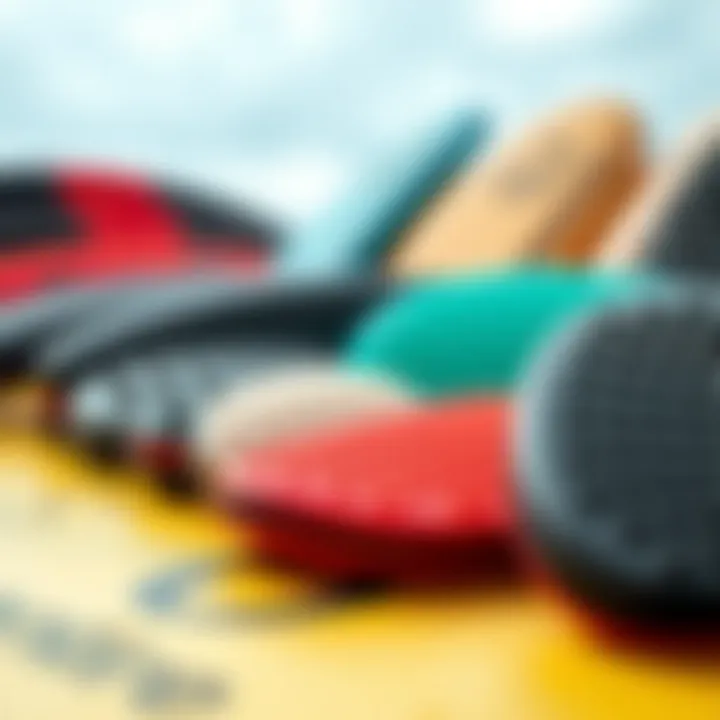
The durability factor is a big deal, especially for those who like to rough it up on the beach. The lasting character of closed-cell foam translates into reliable performance, regardless of wave conditions. You will often find it on high-performance boards where traction and durability are key.
"Closed-cell foam keeps you riding longer without compromising on grip or comfort."
Open-Cell Foam
In contrast, open-cell foam offers a different experience, one that some riders swear by. With its structure resembling a sponge, open-cell foam provides a softer touch and greater flexibility. This can translate into a better feel when riding, giving you a sense of connection between your feet and the board.
However, it does come with trade-offs. Its breathable nature means it tends to soak in water more than closed-cell foam. This can lead to a heavier board if it gets wet, potentially impacting how you glide across the water. In mild conditions, though, many find that the comfort provided by open-cell foam justifies these downsides.
EVA Foam
EVA foam, or ethylene-vinyl acetate, combines the best features of both closed and open-cell foams. This innovative material is lightweight, durable, and offers a significant grip that users appreciate. EVA features excellent shock absorption, making it a popular choice among those who want comfort during landings or when riding in rougher waters.
Moreover, its non-slip nature allows surfers to maintain better control, which enhances overall performance. You’ll often see EVA foam in beginner boards, but it works just as well for seasoned skimboarders looking for a reliable, comfortable grip.
Each foam type presents specific benefits and considerations that surfers must assess to find their ideal match. Whether you lean towards the ruggedness of closed-cell foam, the comfort of open-cell, or the hybrid advantages of EVA, knowing how each foam will impact your skimboarding experience is invaluable.
Benefits of Using Foam Grip
Foam grip is more than just an aesthetic addition to skimboards; it plays a crucial role in the overall surfing experience. Whether you’re a novice skimmer or a seasoned pro, understanding the benefits of foam grip can significantly enhance your time on the water. Not only does it improve performance, but it also contributes to safety and comfort while riding.
Enhanced Traction
Traction is paramount when it comes to skimboarding, as the last thing a rider wants is to slip off their board at the wrong moment. Foam grips work wonders in this regard by providing a textured surface that increases the friction between the rider’s feet and the board.
On a slick skimboard, especially during water spray and wet conditions, having a well-designed foam grip can make the difference between a clean ride and a sudden fall. Riders often report feeling a substantial increase in control and stability thanks to high-quality foam materials that grip naturally. If you've ever slid off during a crucial jump, you may have wished for better grip beneath your feet.
Shock Absorption
Every wave, bump, and landing can send shocks through your body. This is where foam grip shines again. Good quality foam is designed to absorb impacts, reducing stress on the legs and adding a layer of cushioning. This is particularly beneficial for riders who engage in high-energy tricks or jump off waves.
Just imagine landing a powerful trick only to have that uncomfortable shock travel up your legs. With proper foam grip, that jolt can be considerably lessened, allowing you to enjoy your ride without worrying about sore knees or legs after long sessions on the beach. Furthermore, less shock absorption can lead to the potential for injuries; thus, selecting suitable foam material for grip becomes critical.
Comfort and Ergonomics
Last but certainly not least, comfort cannot be overlooked. Proper foam grip can enhance ergonomic support, meaning that as you ride, your feet are comfortably ensconced on a surface that molds around them. This alleviates foot fatigue, allowing riders to spend longer periods skimboarding without discomfort.
Moreover, a well-designed foam grip can help in maintaining an optimal foot position, which leads to better control of the board. When you’re not constantly adjusting your stance, you can focus more on the ride itself—plan your next trick or enjoy the waves rolling by.
A well-chosen foam grip enables the rider to perform optimally while minimizing injuries, making every outing more enjoyable.
In summary, the benefits of using foam grip are multifold. Enhanced traction helps riders stay grounded, shock absorption keeps those impacts manageable, and comfort matters when it comes to longer rides. Understanding these benefits will assist surfers in making informed choices that enrich their skimboarding experience.
Selecting the Right Foam Grip
Choosing the right foam grip for your skimboard isn’t just a toss-up; it’s a decision that can significantly impact your overall experience on the water. The interplay between the grip you select and your performance goes beyond mere preference. Whether you're a seasoned pro or just wading into the sport, understanding the nuances of foam grip selection can elevate your skills and enhance safety. Here’s what you need to chew on when making this crucial choice.
Factors to Consider
Weather Conditions
Weather conditions can be the silent partner in your skimboarding adventures. For instance, if you're riding under the blazing sun, a grip that withstands high temperatures can prevent slipping and enhance your control. Foam grips made from closed-cell materials are often favored in warmer climates due to their moisture-resistant properties. Conversely, cooler, wetter conditions might call for grips that allow moisture to escape, which can reduce slippage.
- Key characteristic: Material resilience to temperature and humidity.
- Benefits: In hot weather, grips that don't melt or lose texture can make for a safer ride; in wet circumstances, grips that remain intact ensure steady footing.
- Consideration: Choosing the wrong grip for your local conditions can lead to dangerous slips, potentially resulting in injuries.
Skill Level
Your skill level informs not just your riding technique but also what kind of grip you should consider. Beginners often do well with softer foam grips that offer more cushion and absorb shocks better. On the other hand, advanced surfers might opt for firmer grips that provide more feedback and responsiveness.
- Key characteristic: Cushioning versus responsiveness.
- Benefits: Softer options can aid in learning by providing comfort, while stiffer ones can enhance performance for experienced riders.
- Downside: Newbies might feel overwhelmed with a grip that’s too hard, leading to unsteady rides and frustration.
Board Type
Not all boards are created equal, and neither are their grip needs. The type of board you’re using can dictate what kind of foam grip will be most effective. For example, a wider board might require a broader grip for balance, while a thinner board might favor a more streamlined grip profile to minimize drag.
- Key characteristic: Compatibility with board dimensions and shape.
- Benefits: Using a grip matched to your board type ensures that your movements translate accurately on the water, maximizing performance.
- Considerations: Mismatches can lead to awkward rides or even accidents if the grip doesn’t complement your board’s shape.
Foam Grip Testing
Once you have a sort of idea about the right foam grip, it’s time to put that theory to the test. Testing different grips under various conditions is crucial. Practical testing not only helps in validating your choices but also the feel and comfort they offer on your board.
Employ methods like hands-on trials at your local skimboard spot or even simulated environments if possible. Consider assessing grip performance based on traction, durability, and comfort. It’s essential to evaluate how well each grip performs before spending your hard-earned cash on a specific option.
Application Techniques for Foam Grip
When it comes to optimizing the performance of skimboards, the techniques applied in attaching foam grip are a cornerstone that should not be overlooked. Proper application ensures that enthusiasts benefit from enhanced control and comfort, which are pivotal in any riding experience. If you neglect the application techniques, you might find yourself facing unnecessary slips or discomfort. Therefore, investing time to master these methods pays high dividends in terms of safety and enjoyment on the water.
Preparing the Board Surface
Before you even think of laying down that foam grip, the surface of your board demands attention. A meticulous cleaning job can set the stage for a stellar bond. Start by removing any dust, grime, or old adhesive. You could employ a gentle scrub with warm soapy water, then rinse thoroughly to ensure no residue remains. After cleaning, drying the board is imperative; using a lint-free cloth can do wonders here. If there are stubborn spots or sticky residues, consider using rubbing alcohol to clean these areas effectively.
Once clean, inspect the board for any signs of damage—dings or soft spots can impact the grip performance and may require repair before proceeding. The better the base you have, the more resilient the grip will be.
Cutting and Shaping the Foam
Now that your board is prepped, let’s dive into cutting and shaping the foam itself. Foam grip comes in various thicknesses and shapes, so it’s wise to customize it to the board’s contours and your riding style. Start by measuring the area where you intend to apply the grip. Use a sharp utility knife or foam cutter, and don’t rush this part—precision is key.
You might want to cut slightly larger pieces than needed at first; you can always trim down for a tighter fit later. When shaping, consider the areas where you’ll put the most weight. For instance, if you’re doing tricks or turns, the tails and noses should have a bit more grip. Utilizing a sandpaper block to round edges can also prevent peeling and ensure the grip stays intact under heavy conditions.
Applying Adhesive: Best Practices
After cutting the foam, it's time to stick it down. The type of adhesive you use can significantly impact how well your grip performs. Generally, marine-grade adhesives are highly recommended due to their resistance to water and temperature changes. Apply the adhesive evenly to both the board surface and the foam piece. Aim for a thin layer; more is not always better here, as it can lead to messy overflows.
Once the adhesive is applied, carefully position the foam grip onto the board. It’s advisable to start from one edge and gradually lay down the foam to avoid air bubbles. A small roller tool or a flat hand can be useful to press down firmly, ensuring maximum contact. After applying, provide adequate time for curing—check the adhesive instructions for specifics. Some adhesives need curing overnight to ensure they bond effectively.
"A solid grip can turn a mediocre run into an exhilarating ride" — Popular thought among dedicated surfers.
By following the outlined techniques, you increase your chances for successful grip application. Ultimately, understanding each step allows surfers to relish the waves with greater confidence, enhancing their overall experience.
Maintaining Foam Grip
In the world of skimboarding, the significance of maintaining foam grip cannot be overstated. This essential practice ensures not only the longevity of your board but also the safety and performance during your rides. Foam grips undergo constant stress and friction, making regular upkeep paramount for optimal functionality. Failing to maintain the grip may lead to a compromised experience, hindered performance, and even accidents.
Effective maintenance involves a few critical elements: cleaning, identifying signs of wear, and knowing when to replace the grip. Addressing these aspects proactively helps enthusiasts enjoy a seamless skimboarding adventure.
Cleaning and Upkeep
Keeping your foam grip clean is akin to caring for an instrument; a little attention goes a long way in preserving its performance. Start by rinsing off any sand and salt after each session, as these elements can contribute to degradation over time. A gentle scrub with warm, soapy water aids in removing stubborn grime. Avoid harsh chemicals, as they can erode the grip material.
Additionally, allow the foam to air dry completely before storing your board. This not only prevents mold growth but also maintains the grip's texture, enhancing traction for your next outing. Scheduled cleanings, perhaps right after a few sessions, ensure your equipment remains in top-notch condition.
Signs of Wear and Tear
Understanding the wear and tear signs is vital on your path to maintaining foam grip. Look for these telltale indicators:
- Peeling Edges: If the foam starts lifting from the board's surface, it’s a clear warning.
- Cracks or Cuts: Any noticeable fractures compromise the integrity of the grip.
- Loss of Texture: A slick surface often indicates that the foam has worn down significantly; this diminishes your traction.
Heed these signs, as ignoring them can lead to slips or falls, detracting from the joy of skimboarding.
Replacement Guidelines
At some point, even the most diligent maintenance leads to the inevitable — foam grip replacement. Knowing when and how to replace it can make all the difference. Here are some steps to follow:
- Evaluate Condition: If your foam shows multiple signs of wear or has lost its adhesive properties, it’s time for fresh grip.
- Select Compatible Foam: Choose a foam that aligns with your board type. Not all foam grips are created equal, and compatibility enhances performance.
- Professionally Installed vs DIY: Decide whether to take on the task yourself or hire a professional. While DIY might save money, proper installation ensures optimal performance.
- Reapply Adhesive: If you attempt the replacement, ensure you use strong, waterproof adhesive specifically designed for foam to avoid future peeling.
By keeping a close eye on your foam grip, performing regular maintenance, and knowing when to step up for a replacement, you can ensure your skimboarding excursions remain thrilling and safe.
Innovations in Skimboard Grip Technology
Skimboard grip technology has come a long way, reflecting the continuous evolution in the surfboarding community. These innovations aren’t just minor tweaks; they represent significant advancements that can alter the way skimboarders experience their sport. Whether it's about enhancing grip through smart technology or building a more sustainable future with eco-friendly materials, understanding these innovations is essential for both performance and environmental responsibility.
The necessity for modern grip solutions arises from the increasing demands of riders looking for improved safety and efficiency on the water. As technology progresses, newer materials and designs are diversifying the options available to skimboarders, also introducing methods that blend comfort with high functionality.
Smart Grips
Smart grips are becoming a hot topic in the skimboarding world. Imagine a grip that not only keeps your feet in place but also helps you track your performance in real-time! Using advanced sensors, these smart grips can measure various metrics, like the amount of pressure applied, duration of rides, and even weather conditions while you skim. This data is often relayed straight to your smartphone, enabling users to monitor their progress and adjust their techniques accordingly.
For instance, if you find yourself slipping or losing balance, the smart grip can alert you to correct your stance or adapt to changing conditions. It’s like having a personal coach right under your feet.
Moreover, these grips often feature adaptive designs which can modify their texture or cushioning depending on environmental factors. What’s fascinating is how this technology combines performance monitoring with a layer of safety, making it an appealing choice for both amateurs and seasoned surfers alike.
"Innovative technology is not just a trend; it is reshaping how we engage with sport, driving performance and safety to new heights."
Eco-Friendly Options
As the world leans increasingly towards sustainability, eco-friendly grip solutions are gaining traction in skimboarding. The industry is now exploring materials that reduce environmental impact without compromising quality. These grips often use biodegradable components or recycled materials, aligning with the values of a growing number of surfers who prioritize conservation.


For instance, some companies are utilizing natural rubbers and organic substances instead of synthetic foams. These materials not only perform well but also help reduce plastic waste that often ends up in oceans and waterways. Skimboarders can enjoy their sport knowing they're making a smaller footprint on the environment.
Furthermore, eco-friendly grips often have a durability that rivals traditional options. This longevity means fewer replacements, which is a win-win for both the user and the planet. With some enthusiasts even dedicated to removing harmful plastics from ocean bottoms during sport, having sustainable gear complements these efforts in promoting a cleaner day at the beach.
Comparative Analysis of Foam Grips
When looking into foam grips for skimboards, a detailed comparative analysis becomes crucial for surfers and enthusiasts. It’s not just about picking any old foam; understanding the different options on the market can really influence performance, comfort, and longevity of your board. Evaluating the characteristics of various foam grips helps you make informed decisions that enhance your overall skimboarding experience.
Brand Comparisons
Performance Metrics
Performance metrics specifically highlight how various foam grips behave in real-world conditions. Take, for instance, the traction of foam grips; it can vary widely between brands. Some foam grips deliver superior traction which helps surfers maintain a firm hold even in wet and messy situations. This quality can significantly improve confidence while performing tricks or riding waves. A foam grip’s benchmark for durability is also essential; brands like Zap Skimboards and Victoria Skimboards offer grips that have shown excellent resistance to wear and tear, allowing them to stand the test of time against the elements.
However, this doesn't mean all high-traction grips are equal. Some may become sticky over time, which can lead to an uncomfortable riding experience. Ultimately, finding that balance between grip effectiveness and comfort is key—certain grips might excel in one area but fall short in another, leaving you to weigh your options carefully.
Consumer Feedback
Consumer feedback plays a significant role in shaping perceptions of foam grips. When it comes to reviews, countless surfers have shared their experiences. Feedback often highlights how different brands cater to varying levels of skill, which is especially useful if you're just starting out. Grips that are easier to apply but offer decent traction become favorites amongst novices, while experienced riders might opt for more specialized options.
A unique aspect of consumer feedback is the community aspect that forums and social media platforms offer. Groups on reddit.com or posts on Facebook showcase user-generated content that can provide a real-life context on how particular foam grips perform over time. Brands such as Hyperlite and Liquid Force come up frequently in discussions, praised for their ability to adapt to user preferences based on solid reviews and consistent performance metrics.
Though positive feedback can often paint a rosy picture of a product, it’s important to be aware of the common complaints as well. For instance, some surfers might express dissatisfaction regarding the price-to-performance ratio, indicating that some brands do not deliver the value they claim. It's all about doing your homework and seeking balanced, honest reviews to guide your selection process.
Cost Vs Performance
Exploring the realm of foam grips, the delicate balance between cost and performance must be addressed. A premium-priced grip isn't always synonymous with excellence. While it might boast superior materials and design, your budget constraints are real considerations. Conversely, opting for a more budget-friendly option may leave you with a less effective grip that might require earlier replacement.
It's wise to determine your personal needs before laying down cash. Ask yourself:
- What’s your riding style?
- How often do you go out?
- Are you willing to invest more for performance, or do you prefer saving on initial costs?
Investing your time in understanding the performance indicators against their respective prices enables surfers to tread the waters of expenditure wisely. Each rider's relationship with their gear is unique, making understanding this dynamic critical for ensuring you get the most out of your skimboarding experience.
In summary, the comparative analysis of foam grips exposes the nuances that lie beneath the surface. From performance metrics to consumer feedback and the intricate dance of cost versus performance, a well-rounded understanding can significantly enhance how you approach your skimboarding journey.
User Experiences and Feedback
Understanding user experiences and feedback is vital for enhancing the effectiveness of skimboard foam grips. Real-life stories and observations from surfers often shine a light on the practical functionalities and shortcomings of different foam grips. This section aims to dive into those narratives, highlighting both the accolades and criticisms that contribute to a clearer picture of what works in the real world and what doesn’t.
Surfer Testimonials
The perspectives shared by surfers illuminate the essential qualities that foam grip can bring to their skimboarding adventures. For many, the relationship with their equipment can be intensely personal, as each run on the water can either solidify your prowess or expose flaws in design.
One seasoned skimboarder from California shared his experience with the EVA foam grips, saying, "After switching to EVA, I felt a significant improvement in my maneuverability. It has this great mix of firmness and comfort that lets me ride longer without feeling sore.” Such testimonials resonate with others, prompting them to try similar grips undoubtedly.
Another rider, who frequently skims in Florida’s warm weather, noted the advantage of open-cell foam. He stated, “On those hot beach days, the grip really helps keep my feet planted and I’m not slipping as much when I’m going full speed!” The adaptability of foam grip to various conditions often comes out in these testimonials.
Common Complaints
While many appreciate the advantages of foam grips, not all experiences are equally glowing. An essential aspect of this discussion is the critiques that users often voice, which can guide innovation and improvements in foam technology.
A recurring complaint among surfers involves the durability of certain foam types. A mid-Western surfer expressed disappointment, remarking, "After just a few sessions, the grip started to wear down, making it hard to maintain traction. It wasn’t the type of performance I expected for the price I paid.”
In another example, a rider specializing in tricks shared her frustrations with closed-cell foam, stating that while it stays in place well, it can be uncomfortably hard on landings. "You’d think a firmer grip would support tricks better, but it almost feels like it fights back at times. Somewhere, there should be a balance between grip and shock absorption."
These considerations speak volumes about how essential it is for manufacturers to listen to the community and adjust their designs accordingly.
"Listening to users is where true innovation starts. The feedback on foam grips can determine the next wave of innovations that will revolutionize skimboarding."
Reflecting on these experiences helps clarify what surfers truly value in foam grips and points out the room for improvement. Their insights serve not just to applaud what works but also to press for advances in technology, ensuring that as skimboarding evolves, so too does the equipment that complements it.
Future Trends in Foam Grip Technology
As the world of skimboarding continues to evolve, so too does the technology behind foam grip. It's not just about sticking to your board any longer; today’s skimboarders are looking for innovative solutions to enhance their riding experience. This section shines a light on the future trends in foam grip technology, emphasizing key elements such as sustainability and performance integration.
Sustainability in Materials
In recent years, the conversation around sustainability has taken center stage in many sports industries, and skimboarding is no exception. Modern innovations are actively seeking ways to utilize eco-friendly materials that reduce harm to the environment, while maintaining the same high standards of performance that athletes expect.
- Biodegradable foams are in the spotlight, aiming to minimize impact when products reach the end of their lifespan. Brands are developing foam alternatives derived from natural sources, balancing durability with eco-consciousness.
- Recycled materials are another option making waves in the industry. Using post-consumer waste not only helps the planet but also adds a unique character to each board’s grip, fostering pride in ownership among environmentally-aware surfers.
By choosing sustainable materials, skimboarders contribute to a larger movement toward eco-responsibility. The hope is that this trend could pave the way for future practices that lessen pollution, not just in the water but on the landscapes surrounding our favorite riding spots.
Integration with Performance Monitoring Tools
Imagine a future where your skimboard not only allows you to ride the waves but also tracks your performance in real-time. The integration of performance monitoring tools with foam grip technology is an exciting frontier that many developers are exploring.
- Smart grips, for instance, could feature built-in sensors that monitor your speed, stability, and maneuverability, providing instant feedback that can be invaluable for both beginners and advanced riders alike.
- This technology can pave the way for even smarter boards that adapt based on user data, enhancing safety and performance through precision insights.