Exploring the Connection Between Longboarding and Art
Intro
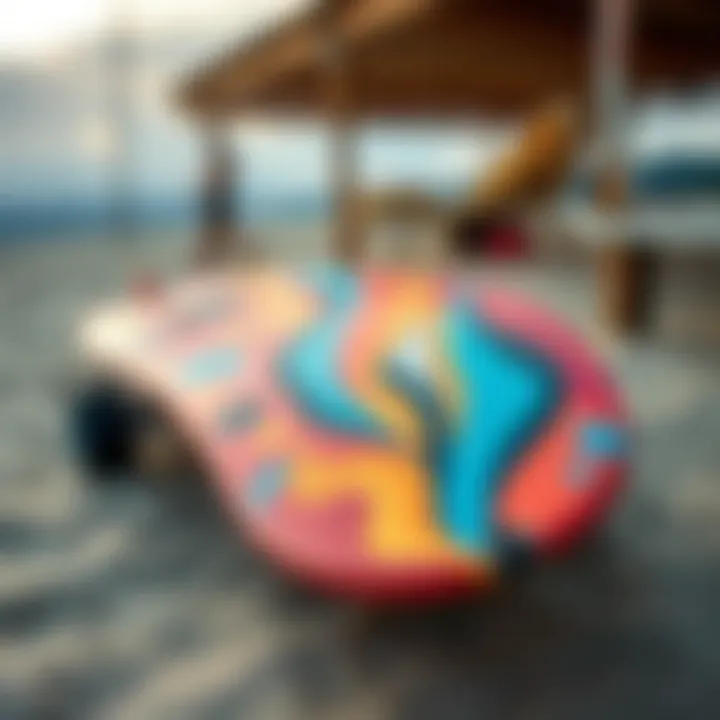
Longboarding is not just a mode of transportation or a recreational activity; it is a canvas for creative expression. In recent years, the lines between longboarding and art have blurred, leading to a fascinating subculture that many may not even recognize. Within skateparks and along urban streets, one can see vibrant designs adorning longboards, often reflecting the personality and creativity of their riders. This article dives into the intricate relationship between longboarding and artistry, exploring how these two worlds intertwine and enrich the lifestyles of enthusiasts.
Art in longboarding can be seen in the handcrafted decks, eclectic helmet designs, and even the colorful clothing of riders. Each design tells a story, a personal narrative that reveals the individuality of the rider. The culture surrounding longboarding is as rich as the art itself, with every artistic touch serving as a statement of identity and community. Whether it's the bold strokes of spray paint or the delicate flair of hand-drawn sketches, longboard art represents a unique fusion—a blend of motion, culture, and self-expression.
As we journey further into this exploration, we’ll uncover not just the visual aspects of longboarding but also the techniques and styles that define the artistic expression found within this liberating pursuit. From concrete jungles to the zen of downhill paths, let's begin to unravel this complex tapestry that connects riders to their art.
Techniques and Tips
The world of longboarding art is vast, and while anyone with an artistic spirit can contribute, understanding a few techniques can enhance the experience and product. For aspiring longboard artists or those looking to personalize their boards, it's essential to explore a range of methods.
Choosing the Right Medium
From stickers to paint, the medium you choose can greatly influence the overall aesthetic. Some common techniques include:
- Acrylic paint: Great for bold, vivid colors but it requires a protective sealing afterward.
- Vinyl wrapping: Durable and often easier for intricate designs, but can be a bit tricky for novices.
- Airbrushing: Offers a smooth gradient effect but requires practice to master.
Personalization Ideas
When personalizing a longboard, the designs can range from minimalistic to complex. Here are a few ideas on what can make a longboard stand out:
- Custom graphics: Hire a local artist or create your own designs inspired by personal interests or local culture.
- Unique colors: Don't shy away from mixing shades to develop sizes that reflect you.
- Themes: Some riders adopt themes like nature or urban street art that resonate with personal experiences.
Art has the potential to amplify the riding experience, making each outing truly yours. Whether it’s a reflective piece capturing the essence of freedom or a loud, vibrant declaration of individuality, the sky's the limit.
Gear and Equipment
Artistic expression doesn’t stop at the design on the board. The gear riders choose plays a significant role in shaping their longboarding experience.
Longboards That Inspire
Choosing a longboard can come down to personal style and functional needs. A few brands to consider for their emphasis on artful designs include:
- Santa Cruz: Known for their iconic art styles and quality.
- Penny: Offers bright colors and fun designs that appeal to younger riders.
- Land Yachtz: Combining craftsmanship with original artwork, they produce boards that are both functional and visually striking.
Accessories for Artistic Expression
Longboarding is about the entire experience, so consider these accessories that also allow for personalization:
- Helmets: Decorate with stickers or custom paint jobs.
- Grip tape: Choose colorful or patterned grip tape to enhance not only safety but also style.
- Clothing: Many longboard brands now offer apparel that reflects their artistic ethos, allowing for individual expression beyond the board.
Longboarding can be an artistic journey as much as it is a physically rewarding activity. As riders explore the intersection of their passion for movement and creativity, they not only enhance their boards but also forge a deep connection with their identity and community.
"The beauty of longboarding is that every ride is a chance to showcase who you are, painted on the canvas of your board."
With a deeper understanding of techniques, tips, as well as necessary gear and equipment, riders can elevate their longboarding experience into an art form that tells a personal story. As we continue exploring the cultural significance and artistic movements that surround this unique fusion, the stories behind the art will come alive.
Historical Context of Longboard Art
Understanding the historical backdrop of longboard art is crucial. It gives the context for how creative expression intertwines with a sport that is deeply rooted in culture and community. This section delves into the inception of longboarding, the initial artistic expressions associated with it, and how these have evolved over the decades, offering insights into the significance of these developments.
Origins of Longboarding
The journey of longboarding begins in the late 1950s, primarily in California. Skateboarders were looking for a way to surf on land. They sought to mimic the fluid movements and the thrill of surfing without the ocean’s waves. This early form was primitive but served as the launching pad for what would become a global phenomenon. The upsurge of interest in surfing in the post-war era fueled the longboarding craze. It wasn’t just about the board itself; it was about the freedom and lifestyle it represented.
These boards were often handcrafted, imbuing them with a personal touch. Each creation was unique—some were long and narrow, while others were wider and sturdier. The materials used varied, mostly wood, which was then adorned with simple paint jobs or stickers reflecting the skater’s personal style or the surfing culture of the time. This customization laid the groundwork for the artistic expressions that would follow.
Early Artistic Expressions
As the longboarding scene grew, so did the desire for distinct identities among riders. The boards became canvases, and the possibilities for creativity were nearly endless. Early artistic expressions embraced bold colors, playful designs, and a touch of rebellion. Many longboard artists drew inspiration from the California surf culture, integrating sun-soaked palettes and abstract shapes.
Creativity often collided with function. Grip tape was not merely practical; some riders began to create patterns and designs through the application of grip tape, giving the otherwise utilitarian element an aesthetic twist. The designs typically showcased a blend of cultural symbols, surf motifs, and personal reflections, adding layers of meaning to the boarding experience.
"The art isn't just on the board; it's in how the rider expresses themselves while gliding through life."
Evolution Through the Decades
The evolution of longboard art reflects wider societal changes and technological advancements. By the 1970s, longboards were evolving, and so was their art. The rise of skate parks introduced new shapes and styles, influencing designs. Artists experimented with materials such as fiberglass and metals, expanding the scope of their creativity. The vibrant graffiti culture was also seeping into the longboarding scene, marrying art with urban culture.
In the 1990s, with the advent of the internet, the global community of longboarders began sharing their art and designs more widely. This access to an international audience brought diverse influences. Today’s artists often blend traditional techniques with modern graphics, drawing on global artistic trends to inform their creations.
Fast forward to the 21st century, and longboard art has reached unprecedented heights in terms of both popularity and skill. Artists use methods ranging from vinyl graphics to hand-painted designs, often collaborating with brands or showcasing at art exhibitions. The longboard has become not just a means of transportation or sport but a mobile piece of art that tells a story—often reflective of the rider’s journey, culture, and identity.
Longboarding, through its historical trajectory, reveals a rich tapestry woven from cultural expression and individual artistry. This history not only informs current practices but also offers insights into the future of longboard art, emphasizing its role within an ever-evolving community.
Understanding Longboard Aesthetics
The world of longboarding is not merely about riding a board; it's a unique blend of sport and artistry. Understanding longboard aesthetics is crucial because it allows us to appreciate how creativity influences the longboard culture and enhances the overall experience for riders. Aesthetics play a significant role in self-expression, identity, and community bonding within longboarding.
Longboard designs convey messages. They resonate with the rider's personal style while also reflecting broader cultural movements. Thus, when we dive into longboard aesthetics, we uncover the reasons why certain designs, colors, and patterns hold meaning. This exploration reveals how art invites riders not just to cruise, but also to participate in a dynamic conversation about identity and culture in the longboard scene.
Defining Longboard Aesthetics
When we talk about longboard aesthetics, we're referring to the visual appeal and artistic elements that adorn the boards. This can include anything from the shape and size of the deck to the artwork that’s painted or printed on it. A longboard isn't just a mode of transport; it is a canvas reflecting the rider's tastes and preferences.
The aesthetics of a longboard involve:
- Color schemes: Vibrant colors often evoke feelings of excitement, while muted tones might suggest a more laid-back vibe.
- Patterns and graphics: These designs can tell a story or symbolize something significant to the rider.
- Materials and textures: The materials used in crafting a longboard also impart a tactile experience that can enhance visual aesthetics.
These elements come together to create an intrinsic part of the rider's identity, making the longboard both functional and a form of personal expression.
Cultural Influences on Design
Longboard art doesn't exist in a vacuum; it's heavily influenced by cultural trends, societal changes, and even regional styles. The designs seen on longboards can often be traced back to various art movements, music genres, or lifestyle trends. For instance, the vibrant colors and bold shapes often seen in longboard graphics can be linked to the surf and skate cultures, which are deeply intertwined.
Moreover, as globalization spreads ideas and artistic methods, longboard designs are becoming more eclectic. Riders might adorn their boards with motifs inspired by different cultures, reflecting a blend of influences from diverse backgrounds. Regional imagery may also come into play — an Indigenous motif in one area might be entirely different from the hip-hop influenced designs in urban landscapes. Thus, cultural influences are vital in shaping how longboard designs evolve, enriching the aesthetic diversity seen today.
Symbolism in Longboard Art
The artwork on longboards frequently carries deeper meanings. For many riders, the graphics symbolize aspects of their lives, beliefs, and experiences. Symbols can communicate everything from personal triumphs to collective movements, enhancing the bond between the rider and the board.
Some common symbols found in longboard art include:
- Nature elements: Many designs incorporate landscapes or oceans, connecting the riders to the natural world.
- Geometric shapes: These can signify balance, stability, or motion — essential themes in longboarding.
- Words or phrases: Sometimes the art includes text that conveys a particular mindset or attitude, embodying the rider’s ethos.
In summary, understanding longboard aesthetics goes beyond mere visuals; it delves into the very essence of identity and culture within the longboarding community. As riders express themselves through their boards, they contribute to an ever-evolving narrative that balances creativity with personal experiences.
Techniques of Longboard Art
The fusion of creativity with functionality in longboarding goes far beyond just having a four-wheeled board. Techniques of longboard art play a fundamental role in this narrative, allowing enthusiasts to express their individuality while adhering to the practical needs of the sport. Here, we will delve into various methods that not only enhance the aesthetics of longboards but also underscore their cultural significance.
Painting and Graphic Design
When it comes to longboard art, painting and graphic design stand at the forefront. Each brush stroke and graphic element can speak volumes about the rider's personality and preferences. Many artists opt for vibrant colors or intricate patterns that turn the longboard into a moving canvas.
Creating a unique design is not as simple as just slapping some paint on the board. Factors like wood type, finish, and weather resistance can influence the approach. For instance, certain paints will not adhere well to waxy finishes and could chip away after just a few rides. Riders often must be mindful of these technicalities to ensure longevity in their artwork.
- Common painting techniques include:
- Spray painting for large areas.
- Acrylic painting for detailed designs.
- Airbrushing for smooth gradients.
"A skateboard without art is like a blank canvas in a gallery—just waiting for the right masterpiece to emerge."
Through platforms like Instagram and Pinterest, artists can showcase their work, gaining visibility within a thriving community that values originality and craftsmanship.
Woodburning and Etching Methods
Woodburning, often dubbed pyrography, is another technique that brings a rustic essence to longboard art. It requires the application of heat to create intricate designs on the wood surface. Many riders appreciate this technique for its permanence—once burned, the design becomes part of the deck.
This method is particularly popular among those who crave a handmade finish, fostering a deep connection between the artist and the board. From detailed imagery to simple patterns, woodburning is not just about aesthetics; it highlights a rider's dedication to craftsmanship, connecting both the art and the rider.
- Key materials for woodburning include:
- Pyrography pens for detailed work.
- Various types of wood, such as maple or birch, which react differently to heat.
The calming process of woodburning also resonates well with longboarders seeking a mindfulness practice—a way to merge art and craft with personal reflection, creating an emotional bond with their board.
Stickering and Decal Application
When it comes to personalization, stickering and decals provide an accessible yet highly impactful way to elevate a longboard's appearance. With a myriad of designs available, from premium brands to DIY options, riders can easily customize their boards to reflect their mood, beliefs, or style.
The beauty of stickers lies in their versatility. They can convey a message, show support for a cause, or simply add some flair. Unlike painting or woodburning, the application of stickers is straightforward, appealing to those who may not possess artistic skills but still wish to embellish their ride.
- Considerations for stickering include:
- Surface preparation: Ensure that the board is clean for optimal adhesion.
- Layering: Some opt for a strategic layout to develop a cohesive look.
- Removal: Many stickers are designed for easy removal, allowing for seasonal updates.
The use of stickers can also be an expression of community connectivity. Many riders sport decals from their favorite skate shops, brands, or local artists, fostering a sense of belonging within the longboarding subculture.

In sum, the techniques of longboard art encompass a wide range of methods that creatively enrich the longboarding experience. From painting to pyrography and stickering, these artistic expressions merge practicality with personalism, revealing the intricacies of both the sport and the culture surrounding it.
Personalization and Community
The connection between longboarding and art goes beyond aesthetic appeal; it's deeply rooted in community and personal expression. Artwork on longboards signifies individual identity, while also fostering a communal spirit among enthusiasts. When a rider customizes their board, they not only create a reflection of their identity but also contribute to a wider narrative shared among fellow longboarders.
The Role of Custom Designs
Custom designs play a pivotal role in personalizing longboards. Each board becomes a canvas where artists and riders can showcase their style, much like how a painter expresses emotions through brush strokes. By using unique patterns, colors, and themes, longboarders can carve out their own identity within the sport. This practice transcends mere functionality; it resonates with the rider's values and experiences. This is why some riders choose to depict local scenery, encapsulating their environment's essence through thoughtful illustration.
- Unique Identity: Custom designs allow riders to stand out in a sea of uniformity, each board telling a different story.
- Emotional Connection: A rider’s board can depict memories, inspirations, or even humorous moments, creating a bond with the object.
Alternatively, creative freedom in designs can lead riders to collaborate with local artists or even create their work if they have the talent. This integration of personal artistry elevates the connection with the board, adding layers of significance to the riding experience.
Artist Collaborations
Collaboration between longboarders and artists amplifies the expression of identity even further. These partnerships often lead to captivating designs that blend different styles and techniques. An artist versed in graffiti might team up with a surfer, creating a board adorned with vibrant, kinetic lines, mimicking the movement of the surf. Such collaborations not only generate visibility for the artist but also enhance the longboard's appeal.
- Cultural Fusion: Collaborations can combine various cultural elements, showcasing the diversity inherent in the longboarding community.
- Celebration of Diversity: Through collective artwork, boards can serve to celebrate different influences and challenges faced by the community.
When artists and longboarders share their platforms, they help cultivate an ecosystem where creativity flourishes, ultimately enriching the cultural narrative of longboarding.
Community-led Initiatives
Community-led initiatives are vital for fostering collaboration and engagement among longboarders. Groups often organize events where riders can come together, share designs, and collaborate on projects. These gatherings strengthen community bonds and ignite new creative discussions, transforming ideas into action. Local events, such as mural painting on boards or beach clean-ups, can further integrate artistic expression with environmental awareness.
- Connecting Through Art: Local art contests and exhibitions often showcase the creativity within the community, motivating young artists to put their skills to the test.
- Social Responsibility: Emphasizing sustainability, many initiatives use art to promote awareness about ocean preservation and environmental issues.
As longboarders unite around shared values, the outcome is not just individual boards but a collective identity that celebrates art, sport, and community resilience.
"Longboarding is not just about the ride; it’s about the stories we share on our boards, the friendships formed, and the legacy of art left behind."
This intersection of personalization and community reveals how longboarding transcends mere transportation. It's a lifestyle, deeply rooted in artistic expression, camaraderie, and shared narratives.
Longboard Art in the Digital Age
In the ever-evolving landscape of longboarding and art, the digital age has redefined how artists and enthusiasts engage with their craft. This transformation is not just about aesthetics; it's a profound shift that intertwines technology with creative expression. With social media platforms, online communities, and crowdfunding spearheading this change, the opportunities for exposure and collaboration have multiplied.
Social Media and Exposure
Social media has become the lifeblood for many longboard artists. Platforms like Instagram and TikTok offer visual storytelling tools that amplify the reach of individual artists. These sites allow for they to showcase their work, connect with fellow artists, and share their creative journey in real-time. Images of vibrantly painted decks or intricate woodburning techniques capture attention swiftly and spread like wildfire.
Using hashtags related to longboarding and art, such as #LongboardArt, can elevate visibility. Artists can easily interact with fellow creatives and potential customers, creating an organic following. More than just a gallery, social media fosters a sense of community. When a new piece is unveiled or a technique is shared, the response from followers can be immediate, offering encouragement and support.
"In a world that flows faster than a downhill ride, social media gives artists a fast lane to showcase their talent."
Online Communities and Marketplaces
The rise of online communities has also changed the game for longboard artistry. Dedicated forums, Facebook groups, and even subreddits act as havens for like-minded individuals. These spaces encourage collaboration, discussion, and the sharing of techniques that might otherwise remain hidden.
Moreover, online marketplaces like Etsy and Redbubble allow artists to market their custom designs globally, breaking geographical barriers. Artists can sell everything from limited-edition longboards to stickers and apparel, providing multiple revenue streams. It’s not merely about selling a product; it’s about telling a story that resonates with buyers.
Crowdfunding for Art Projects
In recent times, crowdfunding has emerged as a viable avenue for longboard artists aiming to fund new projects. Platforms like Kickstarter or Indiegogo enable creatives to present their ideas to the public and gather support. Enthusiasts can pledge funds for unique projects, such as custom-deck designs or collaborations with other artists. This model not only helps financially but also validates the artist’s vision, as interested backers have shown a desire for the work.
Engaging with potential supporters through compelling narratives and visuals can lead to achievable funding goals. It’s a chance for the community to participate in the creative process and invest in projects that resonate with their passion for longboarding and artistry.
Overall, navigating the digital realm can be a complex but rewarding journey for longboard artists. Whether through the immediate feedback of social media, the supportive nature of online communities, or the financial backing of crowdfunding, the digital age has opened doors that redefine how art and community coexist within the longboarding landscape.
Longboard Art and Environmental Consciousness
Longboard art goes beyond its aesthetic appeal. It weaves environmental consciousness into the fabric of creativity and culture. As climate change looms larger, the longboarding community is stepping up. This section explores how environmentally friendly practices are gaining ground in the world of longboards, reflecting a commitment to preserving the planet while fostering artistic expression.
Sustainable Materials in Art
In recent years, artists and manufacturers alike have begun prioritizing sustainable materials in longboard production. Traditional materials in board creation, such as exotic woods and synthetic resins, often have detrimental effects on the environment. Today’s longboard artists are turning toward alternatives like bamboo and recycled plastics.
The Benefits of Using Sustainable Materials
- Reduced Environmental Impact: Bamboo grows rapidly, making it a renewable resource, while recycled plastics keep waste out of landfills.
- Durability and Performance: Surprisingly, these materials do not compromise on quality. Bamboo longboards offer excellent flexibility and strength, catering to both casual riders and enthusiasts.
- Aesthetic Appeal: The unique textures and colors achieved through sustainable practices create stunning visual art that resonates with conscientious consumers.
This transition showcases how the art of longboarding can align with values of sustainability, making both art and environment a priority.
Supporting Ocean Conservation
Longboarding culture originates from coastal regions, inherently tying it to the ocean. Recognizing this connection, many artists are engaging in projects that support ocean conservation. Various initiatives focus on raising awareness about marine pollution and the importance of preserving natural ecosystems.
Notable Contributions
- Collaborative Artwork: Artists often create pieces that highlight marine life, using proceeds to fund ocean cleanup projects.
- Events and Workshops: Many longboarding events include beach clean-up sessions, where participants contribute to both their favorite pastime and the environment. These gatherings foster a sense of community while promoting the need for conservation.
- Educational Campaigns: Collaborations with local NGOs help educate riders about the impact of pollution and the vital importance of protecting our oceans.
The art of longboarding thus becomes an extension of advocacy, transforming passion into action.
The Intersection of Art and Eco-Awareness
Longboarding art isn't just about how a board looks; it's about what it signifies. Artists are increasingly integrating themes of eco-awareness into their works. This creates a dialogue not just about the beauty of the boards but also about the moral responsibilities we hold toward our planet.
Exploring Themes
- Nature-Inspired Designs: Many artists depict nature scenes, reminding riders of the beauty that is at risk. These visuals prompt reflections about environmental stewardship.
- Message-driven Art: Some boards display messages about sustainability or climate change, making a strong statement while riding the waves.
- Community Engagement: Art exhibits and festivals often showcase longboards as a medium to discuss environmental issues. This interaction fosters community awareness and personal responsibility.
“Art, in this context, serves as a bridge between self-expression and ecological mindfulness, challenging us to think about our choices.”
Future Trends in Longboard Art
The world of longboarding is constantly changing, much like the art that decorates these boards. As longboarding evolves, so do the artistic expressions that accompany it. Understanding future trends in longboard art isn't just interesting—it's vital for artists, riders, and enthusiasts alike. This section explores how emerging styles, technological advancements, and global influences shape the future of longboard art. By looking ahead, we can anticipate what those wooden canvases will look like in the years to come.
Emerging Styles and Techniques
With the rise of individual creativity, longboard art is seeing an exciting shift toward unconventional styles. Artists are breaking away from traditional graphics and are now weaving personal narratives into their designs. For example, some riders are now experimenting with vibrant street art influences, embedding elements of graffiti into their longboards, which is a shift from the classic surf culture icons. This departure from the norm opens the door to a plethora of possibilities.
Key features of these emerging styles include:
- Mixed Media: Utilizing different materials such as fabric, metal, or even natural elements like sand and shells alongside paint.
- Abstract Art: Many artists are leaning towards abstract forms that emphasize shapes and colors over recognizable themes.
- Cultural Narratives: As different cultures engage with longboarding, new patterns and motifs influenced by diverse backgrounds are appearing.
- Environmentally-Inspired Aesthetics: More artists are incorporating elements of nature reflecting sustainability themes.
These techniques emphasize that longboarding is not just a sport but a canvas for self-expression, helping riders connect more deeply with their boards.
Technological Innovations
The marriage of technology and art has sparked exciting new avenues for longboard creators. Digital art tools, 3D printing, and other advancements are reshaping how designs are conceived and executed. Artists can now use digital software to create detailed graphics that can be printed directly onto decks.
Some notable advancements include:
- Augmented Reality (AR): Certain brands are exploring AR applications, allowing users to see how a design looks on a longboard before committing to it.
- Custom Printing Solutions: Companies like Mellow Boards are using precision printing methods that produce high-quality, durable graphics, which means riders can maintain their favorite designs longer.
- Eco-Friendly Inks: As environmental consciousness rises, artists are increasingly choosing sustainable and non-toxic materials for their creations.
These technological innovations not only enhance the aesthetic appeal of longboard art but also support a more personalized and responsible approach to the craft.
Global Influences on Local Art Scenes
Longboarding is not confined to one geographical area; it has become a global phenomenon. This global reach has fostered a vibrant exchange of ideas and styles among local artists in different regions. For instance, while longboard culture in California might focus on surf motifs, South American artists may integrate local folklore into their designs. The blending of traditions leads to unique creations that represent the fusion of influences.
Global influence examples include:
- Asian Minimalism: Influences from Japanese and Korean art permeate longboard designs, often seen in clean lines and subtle colors.
- African Patterns: Bold patterns inspired by African textiles and designs are increasingly finding their way onto longboards, showcasing ancient art in a modern light.
- European Graffiti: Urban influences from cities like Berlin or London are evident in the edgy, street-smart aesthetics reflected in longboard art from those areas.
This global dialogue in art not only enriches the longboarding experience but also builds a sense of community among riders worldwide.
As longboarding and art continue to evolve together, the future holds promise for even more innovative expressions—making each ride not just about movement, but about individual stories, cultural exchanges, and technological advancements that drive creativity forward.
Finale: The Enduring Appeal of Longboard Art
Longboard art is not merely about vibrant colors and stunning designs; it encapsulates the very essence of personal expression and community bonds within the longboarding culture. The intricate fusion of artistry and athleticism has led to a unique space where individuals define their identity through their gear. This intersection of expression reflects broader societal themes, including the dedication to craft and the desire for connection, making it a significant area of exploration.
Reflecting on Personal Expression
Each longboard rolls down the street or carves through the park with its unique flair. From custom graphics to personal touches, riders often see their boards as extensions of themselves. The inspiration behind these designs varies widely, influenced by personal experiences, cultural backgrounds, and even the rider's favorite music or art style.
Taking a cue from common phrases, many longboarders live by the saying, "Your board, your story." This statement rings true as every scratch, every splash of color, tells tales of the rider's journeys, triumphs, and moments where they pushed the boundaries of speed and style. Artwork on boards becomes a living canvas—a way to connect with emotions and memories, reflecting both passion for the sport and the rider's inner world.
Connecting with the Broader Surf Community
Art in longboarding nurtures a sense of belonging among enthusiasts. There's a world beyond individual expression, as longboard art fosters dialogue among riders and communities. Group art projects or local competitions can create platforms for shared experiences that go beyond just skateboarding. Artists often collaborate, creating stunning pieces that serve as a tribute to shared values and aesthetics. Sometimes bridges are built between different groups, connecting surfers to skaters, partly through artistic expression, partly through mutual respect for the craft.
Consider community-led events, or meet-ups where enthusiasts come together to celebrate their craft. Often organized via social media or platforms like Reddit, these movements enhance bonds. They remind us that while personal expression is vital, so too is our interconnectedness within the culture. Conversations spark, ideas flow, and the art form itself spurs a sense of unity.
The Future of Longboarding as Art
Looking ahead, the realm of longboard art holds infinite potential. Emerging styles and technology are likely to shape the way art is created and perceived. With advancements in printing technology and sustainable materials, artists can experiment more freely without the burden of environmental concerns. Not only that, but digital platforms may further amplify the reach of longboard art, inviting a global audience to witness and appreciate these creations.
One could even imagine augmented reality becoming a frontier where longboard designs come alive with stories shared through mobile apps. As global influences seep into local markets, the art of longboarding may very well evolve into a rich tapestry, celebrating diverse perspectives while maintaining the core values that drew us into this vibrant community.
"Art is the most beautiful of all lies; it teaches us more than the reality of the world."
In summary, the allure of longboard art lies in its symbiotic nature: a walk through the past, a celebration of personal stories, and an anticipation of future innovations. It binds the longboarding community, intertwining individual expression with a collective spirit, echoing in every glide and turn.