Dynamics of Lap Fins in Surfboard Design and Performance

Intro
Surfing is not just a sport; it’s a lifestyle, a culture imbued with the spirit of adventure and the love for the ocean. At the heart of this thrilling activity lies a fundamental piece of equipment: the surfboard. Among the multifaceted elements of a surfboard, lap fins often play a subtle yet pivotal role in both design and performance. Recognizing how these fins operate can elevate one’s surfing experience from mere fun to a finely-tuned artistry.
Lap fins, specifically those found in the design of thruster or quad setups, affect everything from stability and maneuverability to speed and control. Their intention is not only to add flair to the board but to enhance how it responds to the whims of the waves. The coatings of resin, the choice between composite materials, or even the shape of the fin can radically alter how a surfer interacts with the surf. This article aims to explore the dynamic relationship between lap fins and surfboards, discussing their design implications, performance effects, and the emerging technologies that are shaping the future of surfcraft engineering.
In this exploration, we will navigate through the interconnected aspects of lap fins, identifying key trends and insights before delving into practical guidance for surfers of all levels. Whether you're an aspiring beginner or an experienced shredder, understanding the nuances of fin dynamics could be the key to unlocking your potential on the water.
Techniques and Tips
Essential Surfing Techniques for Beginners
For those just starting, mastering the basics of balance and positioning while riding waves is vital. Essential techniques often include practicing popping up smoothly and positioning your weight towards the rear of the board, particularly in fast-breaking waves. Additionally, understanding how to read the waves and positioning your board accordingly can significantly improve your ride.
- Practice paddling efficiently: This begins with hand placement—paddle deep and pulling through the water.
- Find the right stance: Learning whether regular or goofy foot suits you best will determine your comfort while navigating.
- Work on turning technique: Utilizing your lap fins effectively begins with tailoring your turns, ensuring your body weight shifts appropriately in sync with wave shifts.
Advanced Maneuvers for Experienced Surfers
Once you’ve nailed the basics, advancing to more complicated moves such as cutbacks or off-the-lips can heighten the thrill of surfing. Experienced surfers often benefit from refining their fin placement based on conditions to optimize performance.
- Fine-tuning fin setups: Experimenting with different lap fin configurations, like moving from a 2+1 to a quad setup, can significantly change how the board responds to turns and speed.
- Execute radical turns: Use your lap fins to carve sharply while maintaining speed, which is essential for executing tricks like airs.
Understanding lap fins not only affects performance but also plays a strong psychological role in boosting a surfer's confidence in the water. A well-tuned board makes all the difference.
Gear and Equipment
Design Considerations
When indulging in the world of surf equipment, lap fins come in various shapes, sizes, and materials. Each specification has its impact on performance. Materials like fiberglass or carbon fiber provide weight advantages while maintaining rigidity.
Common Fin Types:
- Standard Fins: These fins offer balanced performance and are often suitable for most surfers.
- Raked Fins: Best for maneuverability and turning ability, these fins allow quicker direction shifts.
- Symmetrical Fins: These are for stability, perfect for large waves and high-speed riding.
Must-Have Accessories for Every Surfer
Accessories matter as much as the surfboard itself. The right gear not only enhances your performance but also ensures safety while you are out in the surf.
- Leash: A quality leash ensures that your board stays close, reducing the risk of injury.
- Wax: Optimal grip is essential—using the proper wax can make a big difference during rides.
- Board bag: Protects your investment from wear and tear, especially during transport.
Knowing what to look for in lap fins and the equipment surrounding them is paramount not only for performance but for enjoying the whole surfing experience.
"The best surfing experiences often lie in the intersection of knowing your gear and mastering the ocean's rhythms."
Each wave holds potential, and understanding the intricacies of your surfboard, particularly lap fins, opens doors to greater enjoyment and success in your surfing journey.
Prologue to Lap Fins
In the world of surfing, where performance and aesthetics intertwine, lap fins emerge as unsung heroes of surfboard design. These peculiar yet pivotal elements serve a dual role, impacting both the functionality and maneuverability of a surfboard. Understanding the definition and purpose of lap fins sheds light on their significance in the realm of surfing, revealing how they contribute to the overall ride experience.
Definition and Purpose
Lap fins, in essence, are a type of fin located at the tail end of surfboards, extending along the edge for added hydrodynamic efficiency. Unlike conventional fins, lap fins are specifically designed to reduce drag and enhance the board's performance across varied wave conditions. By effectively channeling water flow, these fins enable surfers to maintain speed and control, particularly during sharp turns or maneuvers.
To break it down further, the purposes of lap fins encompass:
- Drag Reduction: By optimizing water displacement, lap fins minimize resistance, allowing for smoother gliding.
- Enhanced Stability: As a surfer rides the waves, stability becomes paramount. Lap fins bolster this aspect significantly.
- Improved Maneuverability: Sharp turns become easier; thus, performance during rapid directional changes is elevated.
Lap fins are vital to a surfer's arsenal, affecting how they interact with the ocean's diverse conditions. Choosing the right configuration can make all the difference, not only in terms of speed but also in the overall control felt during a ride.
Historical Context
To appreciate the evolution of lap fins, it’s essential to delve into their historical backdrop. The genesis of surfboard fin designs dates back to the early days of surfing in Hawaii. Originally, boards were quite plain, lacking any sophisticated attachments. As surfers embraced the exhilarating experience of riding waves, the need for improved performance became evident.
In the 1960s, shaping techniques underwent a revolution. Shapers started experimenting with various fin setups, observing significant impacts on the board’s ride. Amidst this experimentation, lap fins began to gain traction. They were introduced as a game-changer in control and responsiveness, particularly in challenging surf conditions. Over the years, advancements in materials and technology have further refined these designs, leading to the emergence of various styles catering to specific surfing needs.
Today, lap fins are not merely functional elements; they are a testament to the skilled craftsmanship and innovation that defines modern surfboard design. Surfers from all walks of life, whether seasoned professionals or weekend warriors, now enjoy the benefits of a well-designed fin that enhances performance and enjoyment on the waves. Understanding this history highlights how lap fins have become interwoven into the very fabric of surf culture, representing not just performance, but also an art form.
"The story of surfboard fins is as dynamic as the waves themselves—each curve and angle tells a tale of innovation and passion."
Surfing enthusiasts and new surfers alike must appreciate the intricate history and the ongoing evolution of lap fins to fully grasp their significance in surfboard performance today.
Understanding the Mechanics of Lap Fins
The mechanics behind lap fins in surfboard design are not just about aesthetics; they play a critical role in how a surfboard performs. Understanding these dynamics helps not only in the design and crafting of surfboards but also in matching specific fin designs to different surfing conditions. It's a nuanced territory, often overlooked by novice surfers and even some seasoned ones. Yet, grasping these concepts can significantly enhance one's overall surfing experience, leading to better rides and improved control.
Hydrodynamics and Fluid Mechanics
Hydrodynamics merges physics with the artistry of surfing, shedding light on how water interacts with surfboard fins. This relationship is pivotal. As a surfer darts across the waves, their board encounters various forces that affect how it glides, turns, and even cuts through water. Lap fins assist by creating lift, allowing the board to stay buoyant while navigating tricky currents.
When a board slices through the water, the shape and angle of the fins dictate how much drag is created. For instance, wider fins tend to provide more stability but can slow you down in flatter turns. On the flip side, narrower fins speed things up, enabling sharper turns, yet they come at the cost of some stability. As surfers feel out these dynamics during their sessions, they might adjust their choice of fins accordingly to amplify desired characteristics like speed, maneuverability, or stability.
"It’s all about tuning your ride. When I finally figured out my fin setup, that’s when the ocean felt like home."
— An experienced surfer on fin dynamics.
Types of Forces Acting on Surfboards
Different forces act on a surfboard, and understanding them is like learning the language of the ocean.
- Lift: This is crucial for a board’s ride. Lift generated by the fins helps to elevate the board above the water surface, facilitating smoother glide.
- Drag: While necessary, too much drag can ruin a good wave. It’s the resistance that slows down the board, caused by both the shape of the board and the fins.
- Side Force: When surfers make turns, especially quick ones, side forces come into play. Well-designed lap fins can maximize these forces to enhance maneuverability.
- Weight Distribution: Lastly, how a surfer’s weight is positioned can alter how these forces interact. For example, leaning back may increase lift but reduce control, while leaning forward might enhance stability but affect speed negatively.
Fluctuations in these forces can make or break a ride. Each surfer will have their preferences—whether gliding smoothly on a longboard or nimbly dodging waves on a shorter board. By mastering the mechanics of how lap fins manipulate these forces, surfers can better adapt their technique and setup to match fluctuating conditions and personal styles.
Materials Used in Lap Fin Construction
The selection of materials in the construction of lap fins singles out as a foundational topic, fundamentally influencing the performance, durability, and adaptability of surfboards. Whether a surfer is gliding over glassy waters or tackling choppy waves, the material choice shapes how a fin interacts with the water, thus affecting maneuverability and stability. This section aims to elucidate the primary materials commonly used in lap fin production while also shedding light on innovative developments that push the envelope in design and sustainability.
Common Materials and Their Properties
Lap fins are often manufactured from a range of materials, each offering distinct properties that cater to various surfing conditions and rider preferences.
- Fiberglass: This is perhaps the most traditional material used in fin construction. Fiberglass fins combine lightness with strength. They offer flexibility, allowing for a responsive feel while on the wave. However, they may be more prone to damage than stiffer materials.
- Carbon Fiber: Known for its high strength-to-weight ratio, carbon fiber is increasingly popular in performance-focused designs. It provides rigidity, which enhances speed and drive during turns. These fins are often favored by competitive surfers looking to maximize their board’s responsiveness.
- Plastic: Generally used in production of more economical fins, plastic fins offer durability and resistance to impact. While they may lack the performance characteristics of fiberglass and carbon fiber, their affordability makes them a common choice for beginners or casual surfers.
- Wood: Though less common, wooden fins can provide a unique aesthetic and a warm feel in the water. They are typically heavier, which can be an advantage in certain wave conditions. The use of wood also aligns with increasing eco-consciousness, showing how material choice can reflect the values of the surfing community.
The properties of these materials dictate not just the performance of the fins but also their suitability for specific surfing styles and conditions. A careful phone call to a shaper or a visit to a local surf shop can make a world of difference in understanding how these materials might best serve an individual’s surfing experience.
Innovative Materials in Lap Fin Development
As the surf industry evolves, so do the innovations in lap fin materials. The continuous push toward sustainability and enhanced performance has led to several noteworthy developments:
- Bio-based Resins: Manufacturers are now exploring resins derived from natural sources rather than petroleum. These eco-friendly options reduce the carbon footprint associated with production while maintaining performance levels comparable to traditional materials.
- Recycled Materials: Initiatives to use recycled plastics have gained traction, giving new life to discarded materials and showcasing how the surfing community is embracing sustainability. Fins made from recycled material can deliver solid performance while also addressing environmental concerns.
- Hybrid Materials: Some brands are experimenting with composite materials that utilize a combination of fiberglass, carbon fiber, and innovative resins. This approach enables the creation of fins that harness the benefits of each component, resulting in a balanced performance profile that can adapt to various surfing styles and conditions.
An interesting trend is the customization of fin materials to suit individual surfing preferences. Surfers are encouraged to make inquiries and guide conversations regarding material choices, which can lead to more personalized equipment.
For more in-depth discussions on surfboard materials and innovations, you can explore resources from Wikipedia, Britannica, and surf community forums on Reddit. Feel free to join conversations about pushing the boundaries of surfing technology in these platforms.
Lap Fin Design Configurations
The configuration of lap fins on a surfboard holds significant weight in both design and performance. These configurations determine how a surfboard interacts with water and can fundamentally alter the experience on waves. Understanding different lap fin designs can help surfers make informed decisions aligned with their surfing styles and conditions. Factors such as stability, maneuverability, and responsiveness directly relate to how a fin is placed or shaped.
Single vs. Multi-finned Configurations
Single-finned configurations usually come to mind when discussing simple setups. A surfboard with one fin offers a certain elegance. It allows for smoother transitions and a more connected feel to the wave. This configuration is particularly favored in styles where flow is essential, like longboarding. When a surfer wants to catch a wave and glide seamlessly without interruptions, a single fin often becomes the go-to.
On the opposite side of the spectrum, multi-finned setups have gained popularity due to their versatility. More than one fin offers increased grip and control, which can be vital for sharper, aggressive turns. Commonly, thruster setups with three fins are seen among shortboards, providing a balanced feel without sacrificing speed. A quad setup, featuring four fins, can offer even greater speed and looseness. Each fin contributes a unique element to maneuverability, giving the surfer options for different wave types.
"The right fin configuration can change a good wave into a great ride—it's like choosing the right gear for an adventure."
There are also hybrid configurations, combining various fin setups based on the rider's preference. Such flexibility allows surfers to tune their boards specifically for prevailing conditions, ensuring optimized performance. It's akin to having different tools for different jobs; a one-size-fits-all approach rarely yields the best results.
Adjustable Fin Systems
Adjustable fin systems represent the pinnacle of customization in surfboard design. With evolving technology, fin boxes have emerged that allow surfers to easily swap out fins. This adaptability enables riders to fine-tune their experience based on wave conditions or personal preferences. For instance, when the surf is small, a wider fin may provide the needed lift. In contrast, during overhead swells, a more streamlined fin keeps the board agile and responsive.
Not only do adjustable systems save time, but they also make experimenting with different fin configurations more accessible. Surfers can tune their gear without committing to a specific fin design permanently. This capability can hone a surfer’s skills, as they can quickly learn how different setups affect performance. Additionally, embracing this technology can help reduce waste. Surfers can select the ideal fin without needing to purchase multiple boards, promoting a more sustainable surfing culture.
In summary, the choice between single, multi-finned configurations, and the utility of adjustable systems showcases the variety in surfboard design. The right fin configuration, much like an artist with their brush, allows surfers to express their style and enhance performance across diverse wave types. Selecting the appropriate lap fin system undeniably contributes to a more enjoyable and tailored surfing experience.

Influence of Lap Fins on Surfboard Performance
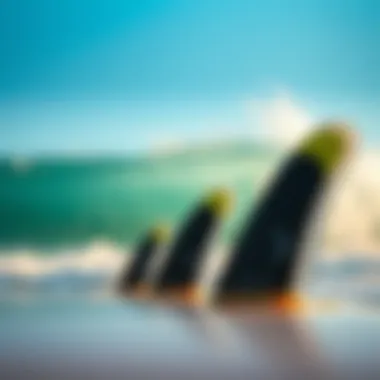
The performance of a surfboard hinges greatly on its fin system, and lap fins are no exception to this rule. They act like the rudder on a ship, providing direction, stability, and control while navigating through unpredictable waters. Acknowledging the influence of lap fins in surfboard performance brings understanding to factors like turning agility and the overall ride experience.
Not only do these fins affect how easily a surfer can turn and maneuver, but they also contribute significantly to the board's stability in different surf conditions. When we consider how surfboards interact with various wave types, the choice of fin becomes central. The intricacies involved in fin design can foster a greater connection between the surfer and the environment, enhancing the performance and enjoyment of surfing.
Turning and Maneuverability
Turning is where the dance begins, and lap fins play a crucial role in executing those critical maneuvers. At the core, the shape and placement of lap fins alter how effortlessly a surfer can tilt and pivot the board. For example, a board with a stiffer lap fin might hold its line better during a turn, allowing for smoother transitions between different maneuvers. Conversely, a flexible fin can offer a looser ride, making quick movements more achievable.
Factors that influence turning and maneuverability include:
- Fin area: Larger fins can deliver more grip but may slow down quick turns, whereas smaller fins facilitate faster, sharper movements.
- Fin shape: Different profiles, like raked versus upright fins, can determine how a board responds to various turning styles and speeds.
- Placement: The distance and angle at which fins are set can impact how they respond during a turn, altering the dynamic of the ride.
Ultimately, the magic of turning lies in the personal preference of the surfer. Whether one prefers quick adjustments or steady carving, finding the right lap fin configuration enhances the surfing experience.
Stability and Control in Various Conditions
Stability is key when facing nature’s unpredictable elements. Lap fins, with their unique designs, help surfers navigate through choppy waters and heavy swell. A well-placed fin can mean the difference between a clean ride and a wipeout. Particularly in powerful surf conditions, the fin's ability to keep the board steady while allowing for control over speed is imperative.
In this context, consider these aspects:
- Board design: The combination of lap fins and the overall shape of the board plays a vital role in stability. For instance, boards designed with thicker tails may require larger or differently angled fins to maintain steady tracking.
- Fin stiffness: A stiffer fin can foster more control in larger waves, providing the necessary resistance against the forces acting on the board. However, it may compromise maneuverability in smaller surf.
- Water environment: Changing conditions from flat water to powerful swells mean that a fin's performance must adapt. Boards with versatile lap fins can thrive in a range of environments, keeping surfers engaged regardless of where they ride.
Lap Fins and Surf Conditions
Understanding how lap fins interact with various surf conditions is crucial for any surfer aiming to optimize their ride. These fins aren’t just for show; they directly influence the board's handling, speed, and stability, making the selection of appropriate fins a matter of both performance and enjoyment. The right fin shape and size can make all the difference in maintaining control, especially when conditions get choppy or the waves get steep.
Choosing the Right Fin for Wave Types
When it comes to selecting fins, wave type plays an undeniable role. Every surfer knows that different waves require different strategies. For example, smaller, mushy waves often call for wider, more stable fins yet on the flip side, steep, powerful waves benefit from narrower, more agile fins. Here are some things to keep in mind as you make your fin choice:
- Wave Size:
- Wave Shape:
- Current Conditions:
- For larger waves, consider a thinner fin. It provides better control when the ride gets wild.
- Smaller waves may benefit from a larger fin to offer that needed grip and speed.
- Point breaks or reef breaks may require sharper fins for quick turns.
- Beach breaks call for more versatile fins that can handle variable conditions.
- If you're surfing on a windy day, a more substantial fin could cut through the chop effectively.
- Conditions change; be ready to adapt your fin selection often.
"Choosing the right fin might seem trivial, but it can transform a good session into a great one!"
Fin Performance in Different Water Environments
Just as the waves differ from one region to the next, so does the water itself. Factors such as salinity, temperature, and even the ocean floor type can affect how fins perform. A fin that shines in warm, clear waters might flop in cold, murky surroundings. Here’s a closer look:
- Salinity: Saltwater has different density levels, which flutter dynamics. A sturdy fin might work better in warm, salty surf, while other designs could become unwieldy in freshwaters.
- Water Temperature: In warmer climates, fins might flex differently. Softer materials could lead to better handling in heat, whereas stiffer fins might help in colder waters for better reaction times.
- Ocean Floor Variety:
- Mellow sand bars usually require fins with a smoother surface to slide through easily.
- Rocky bottoms might demand tougher fin materials that prevent damage during contact.
The Role of Lap Fins in Surf Culture
Lap fins are not just pieces of hardware attached to surfboards; they symbolize a deeper connection to surfing culture and lifestyle. Over the years, these fins have played a pivotal role not only in performance but also in shaping the perceptions and aesthetics of surfing. They serve multiple functions—sculpting the ride, enhancing control, and influencing how surfers express themselves on the waves.
Lap Fins in Competitive Surfing
In competitive surfing, the stakes are high and every slight advantage can be the difference between riding the wave of victory and wiping out in defeat. This is where lap fins come into play. They allow riders to optimize performance through a delicate balance of speed, maneuverability, and stability.
- Performance Optimization:
- Strategic Choices:
- Historical Significance:
- Competition-level surfers often tailor their fin setups to match specific conditions. For instance, a tight-turned fin can help achieve those radical maneuvers required for high scores in competitions.
- The use of high-performance materials in lap fins—like carbon fiber—can enhance responsiveness without adding unnecessary weight.
- In a world where every second counts, surfers can adjust their fin configurations based on wave conditions. A larger lap fin might provide better grip during turns in smaller waves, while a smaller fin excels in faster conditions.
- Experimental setups seen in events are often inspired by riders pushing the boundaries and creating new trends in fin design. This experimentation allows for the evolution of designs, engaging the creative spirit of surfing.
- The evolution of lap fins reflects not just technological advancement but also a shift in competitive surfing strategy. From rigid designs that offered stability to more flexible ones enabling creative expression, lap fins mirror the historical context of surfing performance and culture.
With competitive surfing becoming more nuanced, the role of lap fins goes beyond function; it becomes an integral component of a surfer's identity, highlighted in the intricate dance between man, machine, and the ocean.
Community Insights and Trends
The community of surfers is vibrant and diverse, and so too are their insights regarding lap fins and their evolution over time. Surfers, both beginners and veterans, often gather in forums, local competitions, and social media platforms to discuss trends and personal experiences regarding their gear.
- Collective Practices:
- Emerging Trends:
- Conversations About Culture:
- Community feedback has driven manufacturers to innovate further. Surfers share what they love about their fin setups and what grips them in ways uniquely personal.
- Local surf shops become hubs of knowledge transfer where tips about maintenance, setups, and even DIY modifications are passed down through generations.
- There is a rising trend toward sustainability among surf communities, with many riders advocating for the use of eco-friendly materials in lap fin production.
- Surfers are increasingly interested in the aesthetics of their gear. Custom-designed fins often become conversation starters, allowing surfers to showcase their personal style while riding the waves.
- Online platforms like Reddit and Facebook surf clubs offer spaces for discussions not just limited to performance, but cultural identities shaped by technological advancements in fin designs. Surfers share experiences and recommendations regarding different types of fins and how they align with their surfing styles.
"The connection between a surfer and their fin is like that of a musician and their instrument; the right fit can lead to pure harmony on the waves."
Advancements in Lap Fin Technology
The evolution of lap fins is a fascinating tale of innovation within surfboard design. As the surfing industry pushes for better performance, durability, and sustainability, advancements in technology have become paramount. The introduction of cutting-edge tools and materials not only enhances the functionality of lap fins but also aligns with the shifting values of modern surfers.
Computer-Aided Design and Prototyping
In the past, fin design relied heavily on trial and error, with shapers frequently experimenting with different shapes and materials until they found a working model. Nowadays, computer-aided design (CAD) has transformed this process drastically. CAD software allows designers to create precise models of lap fins, manipulating variables such as curvature and material density with ease. This precision leads to a better understanding of how fins interact with water flow, maximizing efficiency and performance.
For instance, a shaper using CAD can simulate various aquatic environments, testing how specific fin designs perform against one another without the need for multiple physical prototypes. This not only saves time but also reduces waste — a clear win for the environment. Furthermore, design iterations can happen swiftly, allowing for rapid prototyping and quick adjustments based on performance data. The tailored, customized approach caters to the unique preferences of diverse surfers, enhancing individual experiences on the waves.
"CAD technology is a game-changer in surfboard design, allowing for fine-tuning that was once unimaginable."
Sustainable Practices in Fin Production
With growing awareness of environmental issues, sustainable practices are now crucial in fin production. Eco-conscious surfers actively seek materials that don’t just deliver performance but also lessen environmental impacts. New advancements in lap fins focus on utilizing recycled materials and bio-resins that are less harmful to the oceans.
For instance:
- Bio-Resins: These are derived from natural sources and significantly lower carbon footprints compared to traditional epoxy. The transition to bio-resins doesn't compromise performance, as they maintain durability while being gentler on the planet.
- Recycled Plastics: Companies are leveraging waste plastics to create high-quality fins. This not only reduces new plastic production but also helps in mitigating ocean pollution.
- Energy-efficient Manufacturing: Techniques that require less energy and resources during the manufacturing process are being adopted by progressive brands.
Adopting these practices does not merely speak to a surfboard’s performance capabilities; it also serves as a statement of values, appealing to conscientious consumers who want to surf the right way. The advancements in technology and sustainable practices represent a paradigm shift, allowing surfers to feel empowered about their choices on and off the water.
Purchasing and Maintaining Lap Fins
Lap fins are not just accessories; they’re crucial players in the overall performance and longevity of a surfboard. Whether you are a seasoned surfer or a novice, understanding how to choose and care for lap fins is vital. A well-chosen fin can significantly enhance your riding experience, while improper maintenance can lead to complications that affect not only your surfboard’s performance but also your safety. Therefore, it’s essential to look at this aspect closely.
What to Look for When Buying
When delving into the world of lap fins, selection can seem overwhelming given the variety available. Here are some key elements to consider:
- Fin Size and Shape: The size and shape of a fin determine how well it interacts with water. Larger fins offer more hold, while smaller ones can provide speed. You should also examine the shape; different profiles affect the board's responsiveness.
- Material: Fins come in various materials, from fiberglass to carbon fiber. Fiberglass tends to be more forgiving and easier to repair, but carbon fiber provides rigidity and responsiveness, which can be beneficial in performance surfing.
- Base and Height: The dimensions of a fin's base and height can influence how it turns and maneuvers in water. A wider base generally means increased stability, while taller fins can offer better performance in sharp turns.
- Fin Box Compatibility: Ensure the fin you are buying is compatible with the fin box on your surfboard. Some boards utilize universal boxes, while others may require specific types.
When going through these specifications, remember to consider the type of surfing you're planning to do. For example, if you're aiming for aggressive turns in bigger waves, a larger, stiffer fin might be more appropriate.
Care and Maintenance to Extend Lifespan
Taking care of your lap fins is just as crucial as the buying process. Proper maintenance can ensure that your fins remain in good condition and continue to perform effectively. Here are some tips:
- Cleaning: After every surf session, rinse your fins with fresh water to remove salt, sand, and debris. This minor effort prevents corrosion and damage over time.
- Inspect for Damage: Regularly check your fins for cracks or chips. Even minor damage can affect performance. If you notice something amiss, it’s usually best to replace the fin rather than risk instability in the water.
- Storage: Store your fins in a cool, dry place when not in use. Avoid leaving them in direct sunlight for extended periods, as UV rays can weaken their structure.
- Avoiding Impact: Be mindful when loading and unloading your surfboard to prevent accidental knocks that could damage the fins. Consider investing in a padded board bag that accommodates both your board and fins to minimize potential harm during transport.
By being proactive with maintenance, you can extend the life of your fins and ensure consistency in your performance.
Through choosing wisely and taking care of your lap fins, you'll amplify both the performance of your surfboard and your enjoyment out on the waves. Understanding these essentials cultivates a richer surfing experience, allowing you to focus on what truly matters: riding those waves with confidence and style.
For more insights on fin types and recommendations, check out the informative resources available on websites like Wikipedia or surf-specific forums on Reddit.
Finale and Future Perspectives
As we wrap up this exploration into lap fins, it becomes clear how crucial these components are to the world of surfboarding. Lap fins are not just add-ons; they are integral to enhancing performance, ensuring stability, and elevating the entire surfing experience. Their design, construction, and the materials used all contribute to how a surfboard interacts with water. By understanding these elements, surfers and designers alike can make informed decisions on fin choice, optimizing both the board's performance and the rider’s enjoyment.
Summary of Key Points
- Functionality of Lap Fins: Lap fins provide necessary support for maneuverability and stability. The shape and placement can drastically shift a surfboard's dynamics.
- Material Considerations: The choice of materials influences durability and performance. While traditional options like fiberglass have stood the test of time, new materials are pushing boundaries in speed and flexibility.
- Fins and Surf Conditions: A proper pairing of fin types and wave conditions is essential. Not every fin suits every wave, hence the need for tailored selection.
- Cultural Significance: The role of lap fins extends beyond technical specifications; they also embody style and identity in the surfing community.
- Technological Advancements: Innovations like computer-aided design are changing how these fins are conceptualized and produced. Development of sustainable practices also reflects a growing consciousness in the surf community.
Speculations on Future Developments
Looking ahead, the connection between lap fins and surf performance will continue to evolve. Here are a few possible developments:
- Advanced Materials: We might see a rise in composite materials that merge the best of both worlds—strength and lightweight features. With ongoing research, fins that are not only durable but also eco-friendly will likely make their mark.
- Smart Fins: Imagine fins equipped with sensors that provide real-time data to surfers about performance metrics. This could lead to an entirely new level of personalized surfing experiences.
- Customization: There may be a future trend toward more customizable fin options, allowing surfers to easily swap out features based on specific surf conditions or personal preferences.
- Community Innovations: As the surf community becomes more collaborative, we might see grassroots innovations that bring together traditional craftsmanship and modern technology in lap fin design.
In summary, the future looks promising for lap fins as they are bound to play an ever-increasing role in shaping how we interact with waves. By staying updated on these advancements and trends, surfers can ensure they keep riding the wave of progress.