Kite Surfing in Miami: An In-Depth Exploration

Intro
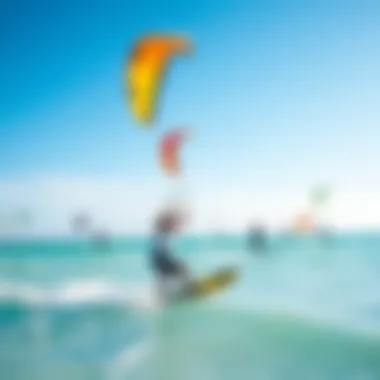
Kite surfing in Miami is not just a sport; it’s a way of life for many who live in this eclectic coastal city. The combination of crystal-clear waters, consistent winds, and vibrant culture creates an enticing backdrop for enthusiasts and beginners alike. In fact, the appeal of kite surfing stretches beyond merely catching waves. It encompasses the thrill of harnessing the power of the wind, the joy of gliding across the water, and the camaraderie that develops within the kite surfing community.
For those unfamiliar, Miami’s kite surfing scene is particular; it offers something for everyone. From seasoned pros showing off advanced maneuvers to novices nervously attempting their first ride, the atmosphere is charged with shared passion and excitement. But what truly sets Miami apart when it comes to kite surfing?
First off, the beach conditions here are ideal. Wind patterns are generally favorable, making it possible to enjoy this activity year-round. Some might say the Miami sun shines brighter on the kite surfers, and many would agree. Throw in a backdrop of the city skyline and palm trees swaying in the breeze, and you have a postcard-perfect scene that beckons surfers of all skill levels.
This article will venture into the nitty-gritty of kite surfing in Miami. From essential techniques and tips that newcomers need to know, to advanced maneuvers for those seeking to ramp up their game, we’ll cover it all. We will also dive into gear and equipment—what to buy, what to rent, and how to maintain it—ensuring every aspect of this thrilling sport is at your fingertips. Finally, we’ll explore the local culture, safety protocols, and resources that can help both the budding kite surfer and the seasoned rider thrive in this vibrant environment.
Strap in and prepare to be swept away by the currents of Miami’s kite surfing scene—where the wind, waves, and community come together to create an unforgettable experience.
Foreword to Kite Surfing
Kite surfing stands out as one of the most thrilling water sports, combining elements of surfing, windsurfing, and paragliding to create a unique experience on the water. In Miami, this rapidly growing sport has captured the interest of locals and visitors alike, not just for the excitement it offers but also for the community and culture that surrounds it. Understanding kite surfing goes beyond just grasping its mechanics; it opens the door to the vibrant lifestyle that comes with harnessing the wind and waves.
Kite surfing is defined by the use of a large inflatable kite that propels a rider across the water on a small surfboard or kiteboard. This simplicity, coupled with the thrill of speed and the ability to perform aerial maneuvers, makes kite surfing an attractive option for both seasoned athletes and newcomers eager to experience the ocean in a new way. Miami’s sunny climate and consistent winds provide ideal conditions, making the city a magnet for enthusiasts looking to take to the sea.
Kite surfing has not only caught on due to its exhilarating nature, but also because it fosters a sense of community among its practitioners. The sport encourages camaraderie, as both new and experienced kite surfers often share tips, equipment, and sometimes even friendships that span across borders. Kite surfing in Miami enables enthusiasts to connect with like-minded individuals, participate in local events, and contribute to the growing culture that promotes both excitement and care for the environment.
Defining Kite Surfing
At its core, kite surfing is about the synergy between the rider and the wind. The sport entails using a large kite tethered to harness, allowing the rider to feel the power of the wind while maneuvering across the water. Key elements of kite surfing are the kite itself and the board used to ride. Different kites serve various purposes, such as allowing for greater stability in higher winds or enhancing agility during tricks. Likewise, the boards can vary in size and shape, tailored for different riding styles, be it freestyle, wave riding, or just cruising.
For those new to kite surfing, the technical terminology can seem overwhelming. However, understanding the basic components like the kite, bar, lines, and harness is essential. A kite can range in size from seven to over twenty square meters, chosen based on the rider’s skill level, weight, and wind conditions. Through this essential gear, kite surfers gain the freedom to perform an array of thrilling maneuvers, scaling the ranks from beginners who enjoy the gentle sway to advanced riders pulling off high-flying stunts.
Kite Surfing's Rise in Popularity
Kite surfing has witnessed a meteoric rise in popularity since its introduction in the late 20th century. In Miami, this trend correlates with the area's ideal coastal conditions, attracting countless enthusiasts eager to dip their toes (or boards) in the water. In addition to favorable weather, the growth of kite surfing can be credited to a vibrant community that nurtures new talents and promotes positive learning experiences through schools and workshops.
The sport has been further popularized through social media; platforms like Instagram showcase mesmerizing visuals of kite surfers gliding over turquoise waters. This exposure has led to an increasing number of people aspiring to give kite surfing a shot. Local competitions and kite festivals also bolster its presence, creating opportunities for both spectators and participants, highlighting Miami’s status as a hotspot for water sports.
Moreover, the accessibility of kite surfing instructions and resources offered through the internet has made it easier for beginners to get involved. Kite surfing schools in Miami cater to different skill levels, ensuring that safety and proper technique are prioritized from the outset. Newcomers are welcomed into this electrifying world with open arms and well-structured programs. As kite surfing continues to flourish, its loyal base in Miami remains ever-ready to welcome fresh faces eager to join the movement.
Geographical Advantages of Miami
Miami offers a unique array of geographical advantages that make it an ideal destination for kite surfing. The region's topography, climate, and ocean dynamics create favorable conditions for both novice and seasoned kite surfers. This section delves into the specific elements that enhance the kite surfing experience in Miami.
Climate Conditions
The climate in Miami is a warm, tropical delight that beckons kite surfers throughout the year. The temperatures generally hover between 70 to 90 degrees Fahrenheit, ensuring that cold weather is seldom a concern. This steady warmth is not just coziness; it allows kite surfers to enjoy lengthy sessions without worrying about bundling up.
Moreover, the winds tend to be consistently reliable, particularly from November to April. During these months, the northeast trade winds blow at an average of 15 to 25 knots, which is precisely the range that kite surfers favor. It’s not just about how strong the winds are; it’s also about their predictability. This consistency in the wind makes it easier for enthusiasts to plan their sessions, translating to more time on the water and less time waiting by the shore.
Wind Patterns and Waves
When kite surfing in Miami, understanding wind patterns is crucial. The city’s coastal geography contributes to the creation of micro-climates, which can lead to variations in wind speed and direction. The presence of various islands and inlets plays a pivotal role in shaping these wind conditions.
Usually, wind blows across Biscayne Bay and along the Atlantic coast, creating perfect riding waves for kitesurfing. These waves can vary from gentle swells suitable for beginners to more challenging conditions that thrill experienced surfers. The rhythmic surf of Miami's beaches is a playground for kite surfers, and knowing where and when to catch the wind can make the difference between a mediocre session and an unforgettable experience.
"In Miami, the winds give kite surfers a unique thrill, with each gust offering an invitation to soar above the waves."
Accessibility to Water Locations
Miami is not just a city; it’s a hub of water activity. The accessibility of water locations from bustling downtown to tranquil coastal neighborhoods is a significant advantage for kite surfing. Surfers can easily reach spectacular spots like Virginia Key and Haulover Beach, both of which are kite surfing hotspots.
The abundance of public access points means that surfers can often find their own pocket of paradise with minimal hassle. Additionally, several local schools and rental shops provide equipment, making it easy for newcomers to get started without hefty investments in gear. This level of accessibility, combined with the quality of water conditions, is a huge draw for both tourists and locals.
Overall, Miami’s geographical advantages combine to create a kite surfing environment that is hard to beat. From the pleasant weather and favorable wind patterns to easy access to prime surfing locations, there’s no shortage of reasons why kite surfing is flourishing in this vibrant coastal city.
Essential Gear for Kite Surfing
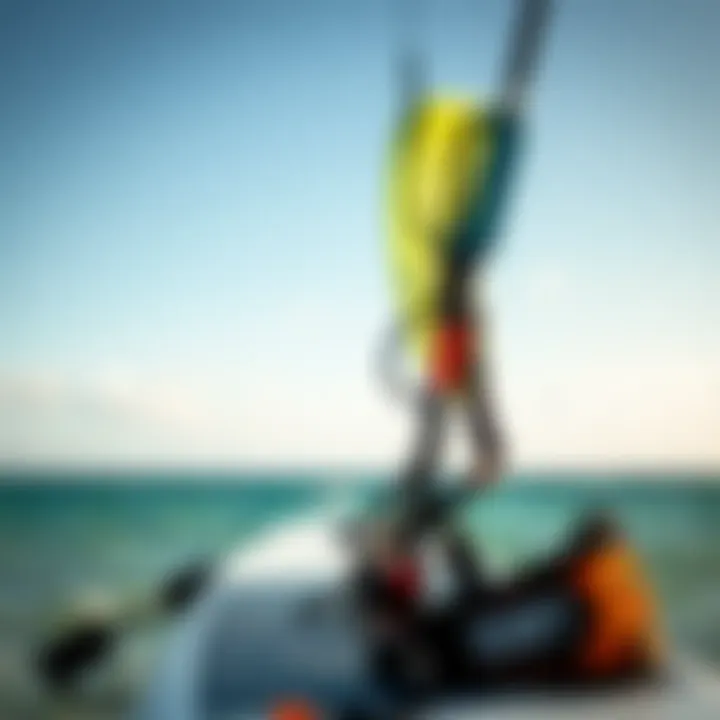
Having the right gear is not just recommended; it is crucial for a successful and safe kite surfing experience. Without the appropriate equipment, you might find yourself in choppy waters, both literally and figuratively. The gear can be a big investment, but understanding what to choose—and why—can greatly enhance your enjoyment and safety while indulging in this thrilling sport.
Kites and Their Specifications
When it comes to kite surfing, the kite is arguably the most vital piece of equipment. Kites come in various shapes, sizes, and designs, each tailored for different types of conditions and styles of riding.
- Types of Kites: There are primarily two types of kites used in kite surfing: C-kites and bow kites.
- Size Matters: The size of the kite also plays a crucial role. A larger kite catches more wind and is better suited for light wind conditions, while a smaller kite is ideal for high winds. Typically, sizes range from 5 to 17 square meters.
- Material and Construction: Quality construction and materials impact durability and performance. Look for kites made from ripstop nylon, as they are lightweight and resistant to tearing. Most brands provide specifications that detail their kites’ features, making it easier for you to select the best one for your needs.
- C-kites are favored by freestyle riders for their strong pull and responsiveness. These kites offer a lot of power and performance but require advanced skills to control properly.
- Bow kites, on the other hand, are more user-friendly, making them suitable for beginners. They provide better depower and work well in a variety of wind conditions.
Boards: Types and Features
Kite boards are just as essential as kites. They are where you'll be standing while performing tricks and riding waves, so selecting the right one is a non-negotiable.
- Types of Boards: The two main categories include twin-tip boards and directional boards.
- Features to Look For: When selecting a board, consider the width, which can influence your stability and speed. A wider board will offer more stability, while a narrower one usually leads to better performance during jumps and tricks. Footstraps or bindings should also fit well and provide enough support for your feet, as comfort is key for longer sessions.
- Twin-tip boards are symmetrical and can be ridden either way, making them ideal for beginners and freestyle riders. They are versatile and perfect for shallow waters.
- Directional boards, commonly known as surfboards, are better for waves and are often used by those who want to carve through water like surfers do. These boards provide a different riding experience and can handle more dynamic conditions.
Safety Equipment Overview
Safety is a critical component of kite surfing, yet it is often overlooked by beginners. Investing in appropriate safety equipment is an essential aspect that can safeguard against accidents.
- Harness: A good quality harness distributes the pull evenly across your body and keeps you securely attached to the kite. Take your time to find a harness that fits comfortably, as discomfort can lead to poor handling of the kite.
- Helmets and Impact Vests: While kite surfing is exhilarating, it carries risks, particularly in crowded spots or challenging conditions. A helmet can protect your head during falls or collisions, and an impact vest provides extra buoyancy and cushioning against hard impacts.
- Leashing: A reliable leash is essential for keeping your board attached to you if you wipe out. This ensures you won’t be chasing your board down the beach unexpectedly.
- Lifejackets or Buoyancy Aids: Depending on the water conditions where you surf, a buoyancy aid may not be mandatory, but it can provide added security. Look for one that allows for mobility and is comfortable enough not to hinder your paddling.
Best Kite Surfing Spots in Miami
Miami's diverse waterfront offers a treasure trove of kite surfing spots, each with its own unique allure and characteristics. These locations not only provide optimal conditions for riders but also serve as vibrant social hubs for the kite surfing community. When deciding where to catch the wind, the benefits of understanding each spot’s features cannot be overstated. From beginner-friendly areas to challenging waters for experts, Miami caters to everyone.
In this section, we will explore four prime kite surfing destinations: Virginia Key, Haulover Beach, Key Biscayne, and South Beach. Each of these locations has its own advantages, making them essential for both newcomers and seasoned surfers looking to expand their horizons.
Virginia Key
Virginia Key stands out as a premier kite surfing destination due to its spacious launch area and consistent wind patterns. Located just off the coast of Downtown Miami, this spot features both flat water and waves, making it versatile for riders of all skill levels.
Key Features:
- Accessibility: Easily reached by car and bike.
- Amenities: Proximity to rental shops and schools like Miami Kiteboarding for those getting started.
- Conditions: Flat water on the inside and waves on the outside for advanced riders.
With its stunning views of the Miami skyline, Virginia Key not only supports a thrilling experience but also provides a picturesque backdrop, perfect for those Instagram posts.
Haulover Beach
Haulover Beach is often heralded as one of Miami's best-kept secrets for kite surfers. Its wide sandy beach and robust wind conditions draw in enthusiasts who thrive on the exhilaration of catching waves. The space is usually accommodating, even during peak seasons, which can be a rarity in popular locations.
Key Benefits:
- Open Space: Plenty of room for launches, minimizing the risks associated with crowded beaches.
- Scenic Views: Beautiful coastal scenery brings an enriching experience.
- Facilities: Nearby restrooms and picnic areas make it a great spot for all-day surfing or a quick break.
This beach is not just about the sport; it creates a community where riders and spectators alike gather to enjoy the sun and surf.
Key Biscayne
Renowned for its crystal-clear waters and picturesque beaches, Key Biscayne is a favorite among both locals and visitors. With dedicated kite surfing areas, riders can enjoy a safer experience while indulging in the beauty of the area. The wind conditions can vary, providing an opportunity for surfers to hone their skills with a range of challenges.
Advantages:
- Safe Environment: Local regulations protect kite surfers and other beachgoers.
- Community: Regular meet-ups and sessions foster a sense of camaraderie.
- Lessons and Rentals: Several kite schools operate in the area, offering lessons and gear.
Whether bounding over waves or gliding effortlessly across the water, Key Biscayne supports a dynamic atmosphere rich with possibility.
South Beach
South Beach is synonymous with Miami's vibrant lifestyle, offering not only stunning surf but also a cultural experience. Although it can be crowded, the energy and buzz of this iconic spot are unmatched. South Beach provides reliable winds and is perfect for those who enjoy riding amongst a more social crowd.

Highlights:
- Vibrant Atmosphere: A mix of beachgoers, surfers, and sunbathers creates a lively scene.
- Accessibility: Unrestricted public access makes it easy for participants to join in the fun.
- Cultural Fusion: South Beach offers a rich blend of cultures, reflected in the energy on the beach.
In this setting, riders can soak up the sun and make lasting memories while enjoying the exhilarating sport of kite surfing.
Kite surfing in Miami is not just about the wind; it’s a way of life that breathes energy into the city's coastline.
Understanding Safety Protocols
When it comes to kite surfing, particularly in a bustling locale like Miami, adhering to safety protocols is paramount. The combination of wind, water, and height poses potential dangers if one isn't equipped with the right knowledge and practices. Understanding these safety guidelines not only protects individual kite surfers but also fosters a more secure environment for the entire community.
Safety protocols encompass a spectrum of practices, from pre-flight checks of equipment to respecting the kite surfing zones. Being aware of local regulations is just as crucial; these laws exist not only to ensure smooth operations but also to protect the marine ecosystems and other beachgoers. Having a clear understanding of these elements goes a long way toward elevating the overall kite surfing experience.
"Safety doesn't happen by accident. It requires deliberate actions and commitment."
Essential Safety Guidelines
Every kite surfer, regardless of expertise, should incorporate essential safety guidelines into their routine. Below are some fundamental practices that can help avert mishaps:
- Pre-Flight Checks: Always inspect your gear before heading out. Check the lines for tangles or wear, ensure the kite is inflated correctly, and verify the harness is secure.
- Choose the Right Spot: On busy days, be selective about where you set up. Ensure there’s ample space to launch and land without interfering with others.
- Weather Awareness: Keep an eye on changing weather conditions. If the wind picks up unexpectedly or storms approach, it’s best to call it a day.
- Use Safety Gear: Helmets and impact vests can make a difference. Don’t overlook the importance of these protective items.
- Kite Control Skills: Familiarize yourself with the kite’s response. This helps in maintaining control and quickly resolving any issues that may arise while surfing.
Spotting Potential Hazards
Being able to identify and respond to potential hazards is a skill that every kite surfer should master. Miami's vibrant, yet bustling beaches can present various risks:
- Obstructions: Always scan the area for any possible obstructions like rocks, swimmers, or other watercraft. Launching near these can lead to unfortunate accidents.
- Wind Shifts: Miami’s winds can shift suddenly. If you notice changes in wind patterns, plan accordingly and prepare to adjust or land your kite immediately.
- Crowded Areas: During peak times, it’s crucial to be mindful of others around you. Becoming aware of your surroundings helps in avoiding collisions, which are a real threat in a crowd.
- Unfamiliar Waters: If you're new to a spot, take a moment to observe. Check for signs indicating dangerous currents or tides. It never hurts to ask fellow surfers for advice on potential issues.
In summary, kite surfing in Miami can be a thrilling endeavor if you prioritize safety protocols. By observing essential guidelines and honing the ability to spot hazards, you can significantly enjoy the adrenaline rush the sport provides. Engaging with the local kite surfing community and staying informed further enhances your experience, allowing you to focus on what really matters – catching that perfect wave.
Local Regulations and Community Practices
Navigating the world of kite surfing in Miami isn’t just about the thrill of the wind in your hair and the waves beneath your board; it’s also about understanding the local regulations and community practices. These elements play a crucial role in ensuring a safe and enjoyable experience for everyone involved. Whether you're a seasoned kite surfer or a newcomer on the scene, recognizing these guidelines can shield you from avoidable conflicts and promote a harmonious atmosphere in the kite surfing community.
Permits and Restrictions
Before you launch your kite into the blue skies of Miami, one of the first things to check is the need for permits and local restrictions. Different beaches may have unique regulations regarding kite surfing. In many cases, you might find that specific areas are designated for kite surfing, while others prohibit the activity altogether to maintain safety and protect marine life. For instance, Haulover Beach generally allows kite surfing, but there are times when certain areas are off-limits, especially during peak hours or weekends when the beach is bustling with families.
Some locations might require you to obtain a permit before surfing, and failing to do so can lead to fines. Always ensure you have the latest information, which can often be found on local government websites like miamidade.gov.
"Understanding the rules isn’t just about avoiding trouble; it’s about respecting the environment and others around you."
Community Etiquette
Equally important as obeying regulations is adhering to community etiquette. Kite surfing is as much about the culture and camaraderie among enthusiasts as it is about the sport itself. Showing respect for others on the water can make a world of difference.
Here are some key points of etiquette to keep in mind:
- Right of Way: When you're out on the water, know who has the right of way. Typically, a person riding downwind has the right of way over someone riding upwind. Familiarizing yourself with these rules can help prevent collisions.
- Avoiding Busy Areas: Try to steer clear of launching or landing your kite in congested areas. High traffic can lead to accidents, and respecting others' space is key.
- Assisting Others: If you see someone in trouble or struggling, it's a good practice to offer assistance. Kite surfers often share information about conditions and safe spots, helping to foster a strong community spirit.
- Cleaning Up: Lastly, be mindful about litter and personal belongings. Keeping the beach trash-free not only shows respect but also protects the local wildlife.
Through thoughtful awareness of local regulations and a commitment to community etiquette, kite surfers contribute to a safer and more enjoyable environment for all. Being a part of this vibrant community means more than just riding the waves; it’s about building a culture of respect, safety, and enthusiasm for the sport.
Training and Learning Resources
Training and learning resources play a vital role in mastering the art of kite surfing, especially in a dynamic location like Miami. Prospective kite surfers, whether newcomers or seasoned riders looking to refine their skills, can greatly benefit from structured instruction and community support. The right resources can significantly shorten the learning curve, minimize risks, and enhance the overall experience on the water.
Kite Schools and Certification Programs
Among the first steps for any aspiring kite surfer should be enrolling in a local kite school. In Miami, several schools prioritize safety and skill development, offering courses tailored for all levels. Not only do these programs provide hands-on training, but they also often include comprehensive safety briefings, ensuring students understand the risks involved.
- Safety First: These schools typically prioritize safety by teaching essential skills, including self-rescue techniques, equipment handling, and understanding wind patterns. As any experienced kite surfer would agree, knowing how to respond in a critical situation can be the difference between a thrilling ride and a dangerous mishap.
- Certification Programs: Many kite schools in Miami offer certification programs recognized internationally. Having a certification can open doors to renting equipment and gaining access to exclusive spots that may have specific requirements. Organizations like the International Kiteboarding Organization (IKO) offer standardized courses that ensure a high level of instruction.
If you’re serious about kite surfing, finding a certified school can set you on the right path. Not only do they provide essential training, but they also connect you with other enthusiasts.
Online Resources and Communities
In the age of digital information, online resources have become an invaluable tool for both learning and connecting with the kite surfing community. Various websites and social media platforms provide a wealth of knowledge about everything related to kite surfing—from instructional videos to forums for discussing techniques and gear.
- Forums and Social Media Groups: Platforms like Reddit and Facebook have groups filled with enthusiasts eager to share tips and experiences. Joining these groups can be a great way to ask questions, share progress, and even find potential riding buddies.
- YouTube Tutorials: Numerous YouTube channels are dedicated to kite surfing, featuring tutorials on techniques, gear reviews, and safety tips. Watching these videos can help visualize techniques and provide insights that might not be covered in traditional lessons.
- Blogs and Websites: Websites such as Kiteboarding Magazine and the International Kiteboarding Organization’s site offer articles and resources that range from beginner guides to advanced tricks. This is a treasure trove for anyone wanting to learn about the sport’s latest trends or historical insights.
The fusion of in-person training and online learning resources creates a comprehensive system for diving into kite surfing. With Miami's stunning environments and enthusiastic community, you're bound to find the guidance you need to soar through the waves.
Environmental Considerations
In the vibrant world of kite surfing, especially in a dynamic hotspot like Miami, understanding the environmental considerations of the sport is not just important—it’s essential. This section explores how kite surfing can impact the delicate marine ecosystem and highlights practices that promote sustainable engagement with the natural environment. Acknowledging these factors helps not only the sport to thrive but also ensures the conservation of the beautiful waters and wildlife that attract enthusiasts from around the globe.
Impact on Marine Life
Kite surfing takes place in stunning coastal waters, often home to a wealth of marine life. The thrill of riding waves must be balanced with the responsibility of protecting these ecosystems. When kitesurfers launch their activities, they should be conscientious of their surroundings.
- Disturbance to Wildlife: Animals like sea turtles and dolphins may be affected by the presence of kitesurfers. The loud sounds of equipment or sudden movements can startle them, disrupting their natural behaviors.
- Habitat Damage: Launching and landing kites can inadvertently damage sensitive habitats like seagrass beds and coral reefs. Being mindful about where one sets up equipment can have long-lasting benefits for marine environments.
One way to mitigate these concerns is by identifying and adhering to areas designated for kiting that are least impactful on marine habitats. Also, engaging in educational programs that advocate for wildlife protection can increase awareness among surfers and foster a culture of respect for ocean life.
Sustainability Practices
Embracing sustainability in kite surfing goes beyond individual rider responsibility; it’s a collective effort that shapes how communities interact with their environment. Kite surfers can adopt several practices that not only benefit the sport but also bolster conservation efforts in Miami.
- Eco-friendly Gear: Utilizing equipment made from sustainable materials can significantly reduce the sport's environmental footprint. Many brands now specialize in eco-conscious kite manufacturing, ensuring less waste during production.
- Leave No Trace: This principle emphasizes leaving the environment as it was found. Kitesurfers should make it a habit to carry out trash and refrain from leaving any gear or trash on beaches.
- Community Clean-ups: Organizing or participating in local beach clean-up efforts can enhance local ecosystems and contribute to a positive community image. Working together strengthens bonds among kite surfers and the larger community while promoting ocean health.
"Protecting the environment is a collective responsibility. By implementing sustainable practices, kite surfers can do their part in preserving the beauty of Miami's waters for future generations."
Cultural Impact of Kite Surfing in Miami
Kite surfing in Miami has transcended mere sport to become a vital part of the local culture. The vibrant scenes along the coast – from the bustling crowds at South Beach to the serene stretches of Virginia Key – bear witness to the deep cultural roots that kite surfing has established in this coastal city. The importance of kite surfing in Miami is multi-faceted, involving community, tourism, and ecological awareness, creating an intricate tapestry of life that reflects both the human spirit and the natural world.
Events and Competitions
Miami serves as a focal point for kite surfing events, drawing competitors and spectators from around the globe. These events not only showcase elite talent but also foster a sense of community among enthusiasts. From local competitions to internationally recognized festivals, each gathering brings a feeling of camaraderie that enriches the kite surfing culture.
For instance, the Miami Kiteboarding Championship attracts riders showcasing their skills, making it an event that cannot be missed. Visitors and locals alike flock to watch these athletes perform breathtaking stunts and maneuvers, cheering for their favorites against the breathtaking backdrop of the blue Atlantic. As kite surfers take to the skies, they draw attention to the sport itself and highlight the beauty of Miami’s coastal environment.
"Kite surfing is not just a hobby; it’s a way of life that connects people and nature."
While competitions bring excitement, they also contribute significantly to the local economy. Local businesses benefit from increased tourism, providing services such as equipment rentals, lessons, and accommodations. As kite surfing continues to thrive, events like these solidify Miami’s reputation as a kite surfing hotspot.
Influence on Local Communities
The influence of kite surfing on Miami’s local communities reaches beyond the beaches. It fosters a spirit of collaboration, as residents and enthusiasts come together to share knowledge, skills, and experiences. Local kite schools, like Miami Kiteboarding and Kitehouse, play a crucial role in fostering new talent, often offering scholarships or programs aimed at underprivileged youth. Programs like these help bridge the gap between different socio-economic backgrounds, demonstrating how a shared passion can unite people.
Additionally, kite surfers often participate in community clean-up events, taking responsibility for their beloved waterways while promoting ecological sustainability. This engagement serves to heighten awareness regarding marine conservation among both participants and the broader community, reminding us that the sport is intertwined with the health of the environment.
In the heart of Miami, kite surfing is not merely a pastime but a cultural phenomenon that encapsulates the diverse spirit of its inhabitants. It encourages participation, community, and responsibility, setting an example for how sports can enrich lives in meaningful ways. As kite surfing continues to grow, its impact on Miami's culture will undoubtedly remain profound.
Closure: The Future of Kite Surfing in Miami
As we cast our eyes towards the horizon of kite surfing in Miami, it's evident that the future looks both promising and challenging. The sport has steadily grown in popularity, drawing in not only enthusiasts but also casual beach-goers curious about its allure. The vibrant community surrounding kite surfing is a web of connections, experiences, and shared passion that continues to thrive with each passing season.
Trends to Watch
As kite surfing evolves, a few noticeable trends are beginning to shape its landscape.
- Technological Advancements: Kite equipment is becoming lighter and more durable. Innovations in materials and design mean surfers can expect heightened performance and safety. For instance, companies like Duotone and Cabrinha are constantly pushing the envelope by integrating sustainable materials, which not only improve kite durability but also lessen environmental impact.
- Rise of Foil Kite Surfing: This offshoot is gaining traction. Riders are trading traditional boards for hydrofoils, allowing them to glide smoothly over the water’s surface. This not only enhances the thrill of speed but also opens more riding avenues in varied wind conditions.
- Increased Inclusivity: Organizations and schools are working to ensure the sport remains accessible. Various kite schools, such as Miami Kiteboarding, are making strides in offering lessons tailored for all ages and skill levels.
- Eco-conscious Practices: With the community's increasing awareness of environmental issues, more events are promoting sustainability, encouraging participants to engage in beach clean-ups.
Keeping an eye on these trends can enlighten not only current and prospective kite surfers but also stakeholders who look to invest in the industry.
Encouraging Responsible Participation
As kite surfing surges in popularity, fostering a culture of responsible participation is paramount. Here are key considerations:
- Local Laws Awareness: Surfers should stay informed about local regulations to ensure that they respect protected areas and comply with any permit requirements. This is crucial to safeguarding precious coastal waters and preserving local wildlife habitats.
- Community Engagement: An engaged community can lead to a better understanding of shared spaces. Kite surfers should mingle with local residents and other water sports enthusiasts to create harmony on the beaches.
- Environmental Stewardship: Participants should advocate for best practices that minimize ecological footprints. Simple actions like picking up after oneself can significantly impact the local environment.
- Education on Safety: Beyond immediate safety measures, educating newcomers on best practices enhances overall community safety. Knowledge sharing can help prevent accidents and ensure everyone enjoys the sport to its fullest.