
Innovations in Future Surf Fins: Performance & Sustainability
Intro
Surfing is more than just a sport; it’s a lifestyle that dances closely with the rhythm of the ocean. As the tide continues to shift, so does the equipment used by riders to carve through waves. Among the most critical components of a surfboard is the fin. The evolution of surf fins has taken a front seat in recent years, especially with innovations in design, materials, and technology. These advancements not only enhance performance but also contribute to global efforts for environmental conservation.
For surfers, knowing the ins and outs of surf fins can make the difference between an average ride and one that sticks in memory like a summer sun. Imagine the thrill of catching the perfect wave, the board gliding effortlessly under your feet, all thanks to a fin designed with precision and care. However, innovation isn't limited to just performance; there's a greater narrative at play. As sustainability becomes a pressing concern, surfers are finding that their gear can also reflect their commitment to protecting the ocean.
In this article, we'll delve into the latest innovations poised to reshape the future of surf fins. From sleek designs that optimize drag to eco-friendly materials that reduce our carbon footprint, we’ll explore the myriad ways these components can enhance both the surfing experience and our relationship with the environment. To realize the depth of these advancements, understanding the techniques and equipment tied to surf fins is essential.
Techniques and Tips
Essential Surfing Techniques for Beginners
For novice surfers, adjusting to the ocean’s swells can be daunting. Here are some crucial tips:
- Body Position: Keep your body low when paddling to maintain stability. Your head should ideally be aligned with your spine, ensuring balance.
- Wave Timing: Timing is critical. As you practice, learn to recognize when a wave is about to break. The perfect ride comes from paddling just as it crests.
- Fin Knowledge: Familiarize yourself with your board's fins. Different designs and placements affect how your board maneuvers through waves.
Advanced Maneuvers for Experienced Surfers
Once you’ve mastered the basics, elevating your skills can be exhilarating. Here are some techniques to sharpen your abilities:
- Carving Turns: To maintain speed, lean into your turns. Control your weight distribution to create a smooth arc on the wave.
- Aerial Moves: Advanced surfers can push boundaries with aerial maneuvers. Engaging your fins efficiently can give that extra lift needed for tricks.
- Tuning Fins: Experiment with fin setups to achieve different handling characteristics. Tweaking the size or angle can create drastic changes in board responsiveness.
Incorporating these techniques with the right innovations in surf fins can take performance to a whole new level. The surf community is constantly evolving, and staying abreast of new trends in fin technology can significantly enhance the riding experience.
More information on surf technique and gear can be found here: Surfline Techniques.
Gear and Equipment
Innovative Surf Fin Designs: What’s New?
Surf fins have come a long way, and some exciting developments include:
- Biomaterials: Manufacturers are using plant-based resins which reduce environmental impact. These materials don’t just protect the ocean but also enhance performance through improved flexibility.
- Modular Fins: The trend towards modular fins allows surfers to tailor their setup for specific conditions, optimizing board response.
- Smart Fins: Some companies are experimenting with fins embedded with sensors that analyze performance and give feedback via apps.
Must-Have Accessories for Every Surfer
Accessories can complement your surf fins and overall setup:
- Fin Key: Essential for adjusting fin placement.
- Board Bag: A quality board bag protects both the board and fins during transport, preserving their lifespan.
- Wax & Sealants: Good grip ensures you stay connected with your board, enhancing performance.
Understanding the current landscape of surfing gear can greatly enhance your surfing experience. As you refine your skills and knowledge about surf fins, not only will performance improve, but your connection to the environment will deepen as well. For additional gear recommendations, articles can be found on sites like Boarders Guide.
"Surfing is a way to be closer to nature, and every gear choice shapes that relationship. Choose wisely."
By embracing new technologies and sustainable practices, the future of surf fins looks bright. With these innovations, surfers can indeed ride the waves while honoring the waters that make it all possible.
Understanding the Basics of Surf Fins
Surf fins, though often overlooked, play a pivotal role in shaping a surfer's ride. They may seem like simple appendages at a glance, but their functionality and type can greatly enhance or dampen one’s performance on the waves. Getting to know the ins and outs of surf fins is the foundation of optimal surfing experience. A surfer armed with knowledge on fins can select their equipment wisely, ultimately leading to better rides and more skillful maneuvers.
Functionality of Surf Fins
The main job of surf fins is to provide stability and control while riding waves. They help facilitate directional movement, allowing surfers to make turns and maintain speed. Essentially, fins work as the footed steerer of a surfboard by providing grip on the water while enabling quick transitions and maintaining balance. Without fins, a board would drift and lose momentum, rendering it virtually useless in the surf. The right fins can mean the difference between a smooth ride and an uphill battle against the tide.
Types of Surf Fins
Diving into the types of fins, it’s crucial to know that they can be categorized by their setup, each serving a unique purpose. Understanding these types can enhance not just performance but also the fun of surfing. Here’s a detailed look at specific setups:
Single Fin
The single fin setup is iconic in surf history. Known for its simplicity, the single fin delivers a fluid, smooth ride that many traditionalists swear by. What sets this fin apart is its centralized placement that promotes a more classic surfing style. This setup allows surfers to carve turns and glide through waves effortlessly. However, some may find its lack of responsiveness in sharper turns limiting, especially in more aggressive riding styles.
Fin Setup
The 3 fin setup, often referred to as thrusters, is a favorite among modern surfers. This design enhances maneuverability, providing a balance between speed and control. Because of its versatility, it’s suitable for various wave conditions. Surfers often appreciate the added bite that the two side fins offer while allowing the center fin to guide the direction. Although the three-fin setup excels in giving precise control, some surfers may prefer a different feel or flow provided by fewer fins.
Quad Fin
The quad fin setup takes things a step further, as it comes with two extra side fins, meaning four in total. This design maximizes speed and drive, making it ideal for choppy conditions. Quad fins can create a high-speed experience while ensuring that the board remains stable. However, a downside some might point out is that it may lack the tight pivot turns that a three-fin setup provides, which can impact performance in certain surfing styles.
Hybrid Fins
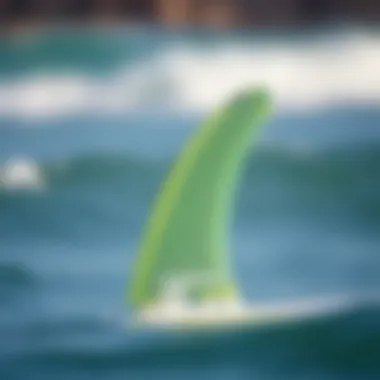

Hybrid fins combine aspects from various setups, and this fusion can lead to optimum performance tailored to individual surfing styles. These fins can vary in size, shape, and configuration, allowing a surfer to customize their board's dynamics significantly. The beauty of hybrid fins lies in their adaptability, catering to both performance and leisurely surfing alike. Nevertheless, the complexity of the design can sometimes lead to indecision over the best configuration depending on the surf conditions.
In summary, having a grasp of the basic functionalities and types of surf fins can dramatically enhance a surfer’s experience. Whether one prefers the nostalgic ride of a single fin or the dynamic control of a quad fin, understanding these elements is a huge leap towards mastering the waves.
Material Innovations in Surf Fins
Material innovations in surf fins play a crucial role in shaping the performance and sustainability of surfing gear. With the ocean being both a beautiful playground and a sensitive ecosystem, understanding the materials used in surf fins can bridge a gap between enhancing riding experiences and protecting the environment.
The materials that go into making fins impact various aspects such as durability, flexibility, weight, and, ultimately, how well a surfer can perform on waves. Surfers are keenly aware of the importance of fins in controlling their rides, so new materials can significantly change their game. Exploring both traditional and advanced materials sheds light on how they can improve surfing while being mindful of environmental considerations.
Traditional Materials
Fiberglass
Fiberglass is a long-standing fixture in surfboard construction and extends its utility to surf fins. Its primary characteristic is a combination of strength and lightweight properties, which makes it a popular choice. Fiberglass fins can be molded into various shapes, allowing custom designs that cater to specific surfing styles and conditions. The beauty of fiberglass is in its versatility; it can provide a stiff, robust fin for high-speed waves, or be shaped for more agile and maneuverable rides.
Advantages: Fiberglass fins tend to provide excellent performance in a variety of conditions and are highly appreciated for their stiffness that aids in speed.
Disadvantages: However, they can be vulnerable to dings and have a tendency to break under stress, which can become a costly affair for surfers.
Plastic
Plastic fins have garnered attention due to their affordability and durability. They usually come in bright colors and can withstand the occasional bumps and scrapes of the ocean. The key characteristic of plastic is its cost-effectiveness. Many beginner surfers start with plastic fins as they allow for an easier entry into the sport without breaking the bank.
Advantages: They are generally lightweight and offering decent performance for recreational surfers.
Disadvantages: Yet, they often lack the responsiveness and feel that more experienced surfers seek. Plastic does not deliver the same performance level as fiberglass, which could leave some surfers wishing for more.
Wood
Wooden fins might seem like a throwback to an older era, but they’re making a quiet resurgence among eco-conscious surfers. Often crafted using sustainable practices, wooden fins offer a unique aesthetic that appeals to vintage lovers. They possess a softer flex, which may be beneficial in certain conditions, allowing for smooth turns and ease.
Advantages: Their sustainability and individual character provide a distinct connection to nature, making them preferable for eco-friendly surfers.
Disadvantages: On the flip side, wooden fins may not be as robust as fiberglass or plastic, leading to concerns about durability under strenuous conditions.
Advanced Materials
Carbon Fiber
Carbon fiber fins are the apex of modern fin technology. They combine lightweight construction with high strength, producing fins that excel in performance. The elasticity of carbon fiber offers responsive flex, allowing surfers to manipulate their rides with precision. This material is remarkable for those looking to gain that edge in competition.
Advantages: The ability of carbon fiber to respond dynamically to the surfer's movements leads to a superior ride.
Disadvantages: However, the high cost can be a deterrent for casual surfers who may feel they won’t utilize its full potential.
Bioplastics
As the world gains traction in sustainability, bioplastics emerge as an innovative solution for surf fins. Made from natural materials, bioplastics can mimic the properties of traditional plastics but with a lower environmental impact. This area of innovation is vital for the surfing community as eco-friendliness becomes a higher priority.
Advantages: They prioritize sustainability, allowing surfers to enjoy their sport without guilt for harming the environment.
Disadvantages: On the downside, certain bioplastics may not offer the same performance characteristics as well-established materials, such as fiberglass.
Recycled Materials
The use of recycled materials in surf fins is another forward-thinking approach. By repurposing plastics and other materials often seen as trash, manufacturers are setting a trend that merges performance with environmental responsibility. The characteristic of this approach is that it helps reduce the amount of waste that piles up in our oceans and landfills.
Advantages: Surfers can align their passions with responsible practices, supporting a more sustainable surfing culture.
Disadvantages: The challenge remains, however, to ensure these recycled products meet performance standards that serious surfers demand.
"Innovations in surf fin materials not only enhance performance but play a vital role in promoting environmental stewardship among surfers."
In sum, understanding the diverse range of materials and how they contribute to surf fins is fundamental in aiming for both better performances on the waves and a smaller environmental footprint. Future evolutions in surf fin materials promise to shape the surfing experience while honoring the waves we all cherish.
Technological Advancements in Fin Design
As surfing continues to evolve, the necessity for improved fin designs becomes increasingly prominent. Here, we explore how technological advancements significantly enhance surf fin performance, providing surfers with better speed, control, and adaptability in diverse conditions. By integrating specific innovations such as Computer-Aided Design, hydrodynamic simulations, and 3D printing, manufacturers can create fins that better meet the demands of modern surfers, all while being cognizant of environmental impacts.
Computer-Aided Design (CAD)
In the realm of surf fins, Computer-Aided Design (CAD) serves as a game-changer. This technology allows designers to create precise models that can be tested digitally before any physical prototypes are made. With CAD, surf fins can be tailored for optimal performance characteristics. Fine-tuning parameters like shape and angle enhances a fin’s hydrodynamic efficiency, leading to improved speed and control on the wave.


The benefits of CAD extend beyond just performance; it also streamlines the design process. Designers can quickly iterate on different shapes, significantly cutting down on the time and resources required to get a fin from concept to the shelves. Moreover, CAD systems enable manufacturers to simulate real-world conditions. This means they can test how fins will behave under various scenarios—be it calm waters or heavy swells—before they hit the water.
Hydrodynamic Simulations
Hydrodynamic simulations take the fin design process a step further by mathematically modeling how water interacts with a fin during operation. These simulations are paramount in understanding how a fin performs at different angles, speeds, and under varied water conditions.
Fins that utilize hydrodynamic principles can be designed to reduce drag and increase lift. This combination can expand a surfer’s ability to maintain speed while making sharp turns or executing tricks. The technology also helps identify potential weaknesses in a design, ensuring that the end product is robust enough to handle the rigors of the ocean. Surfers can gain a lot from this technology, as the fins developed through simulations are often crafted to be more responsive, providing better feedback and control on the water.
3D Printing Techniques
3D printing has revolutionized many industries, and surfing is no exception. This technology allows manufacturers to create complex fin geometries that were previously unattainable through conventional manufacturing methods. With 3D printing, surf fins can be fabricated layer by layer, which opens up a world of possibilities in terms of design innovation.
Another noteworthy aspect of 3D printing is the ability to customize fins for individual surfers. Personalized fins based on a surfer's specific style and local wave conditions can bring about significant performance improvements. Moreover, as sustainability becomes increasingly important in the surf community, 3D printing allows for waste reduction since materials are added precisely where needed.
In summary, technological advancements in fin design—encompassing CAD, hydrodynamic simulations, and 3D printing—are reshaping how fins are conceptualized, designed, and manufactured. These innovations not only enhance performance but also promote greater sustainability in the surfing industry. By being more adaptive and environmentally conscious, the future of surf fins seems bright, welcoming all surfers into the fold of improved efficiency and ecological stewardship.
"The integration of technology in surf fin design isn’t just about making better products; it’s about enabling a deeper connection between surfers and the ocean."
The ongoing transformations highlight the significance of balancing performance with ecological considerations, ensuring that surfers can enjoy the waves without compromising the health of our oceans.
Performance Insights: How Fins Affect Riding
Understanding how fins play a pivotal role in surfing performance is critical for both enthusiasts and seasoned riders. They transcend mere accessories; fins are essential for manipulating speed, control, and maneuverability. A surfer's experience can vary significantly based on their choice of fins.
Speed and Stability
Speed in surfing is not just about paddling out or catching a wave; it largely hinges on fin design. A fin's shape and size directly influence how quickly a surfer can gain speed after takeoff. For instance, larger fins typically generate more drag, which can slow the surfer down, but they provide increased stability necessary for handling bigger waves. Smaller fins, while offering more freedom and less friction, might struggle in turbulent conditions.
In terms of stability, the fin setup is crucial. A single fin is often more stable on straight runs, ideal for cruising the line, while a thruster—three fins—strikes a balance, offering good speed while maintaining enough bite for turns. This creates a harmony between speed and stability that many surfers strive to achieve.
"Choosing the right fin setup can mean the difference between a smooth ride and a chaotic tumble."
Maneuverability
Maneuverability is another critical area where fins make their mark. The ability to pivot, turn sharply, and execute tricks depends largely on fin characteristics. Fins with a higher aspect ratio, for instance, give surfers the ability to dart and change direction quickly. This is essential when navigating the whims of a wave.
In contrast, wider fins provide more grip, which might be beneficial for aggressive turns but can hinder quick shifts in direction. Surfers looking for playful movement in smaller surf might opt for quad setups, which allow for tight, snappy turns, while those churning through powerful swells may favor a traditional thruster configuration for stability without sacrificing too much on maneuverability.
Control in Different Conditions
Different wave conditions require varying degrees of control, and the fins involved play an undeniable role in this aspect. For instance, in choppy waters, a more substantial fin setup might be necessary to maintain balance and navigate effectively. The added grip keeps surfers anchored to the wave, enabling them to execute maneuvers without losing their footing.
On the flip side, in clean, glassy conditions, a smaller fin can provide the necessary looseness and responsiveness. This allows surfers to respond quickly to the wave's shifts. Understanding the right fin choice according to the surf conditions is invaluable; this consideration often separates the casual surfers from the truly competent ones.
In summary, the impact of fins on performance cannot be overstated. They are central to enhancing a surfer's ride by influencing speed and stability, maneuverability, and control in varying conditions. As surfers continue to explore new waves and techniques, the right fin setup can help unlock their full potential, ensuring not only optimal performance but also a deeper connection to the ocean.
Environmental Considerations
In the world of surf fins, paying heed to environmental factors is not merely desirable but essential. As the surfing community becomes increasingly aware of its impact on the oceans and ecosystems, the importance of sustainable practices becomes more apparent. Surfers often form a deep connection with nature, and the tides of change in our environmental stewardship must reflect this bond. By focusing on eco-friendly options in manufacturing, materials, and recycling, the surfing industry can not only reduce its carbon footprint but also inspire a wave of conservation consciousness among its participants.
Sustainable Manufacturing Practices
Sustainable manufacturing practices in the surf fin industry go beyond just reducing waste; they involve rethinking the entire production process. Manufacturers are beginning to adopt methods that use less energy, produce fewer emissions, and utilize resources more efficiently. A few examples include:
- Solar Energy Utilization: Some companies are integrating solar panels into their operations to harness renewable energy.
- Water Conservation Techniques: Implementing techniques to reduce water usage during the production cycle.
- Lean Manufacturing: Streamlining processes to minimize waste and optimize resources ensures that every inch of material is purposefully utilized.
By adopting these practices, surf fin manufacturers not only lessen their environmental impact but also position themselves as forward-thinking leaders in the industry. High-quality surf fins produced sustainably resonate with surfers who prioritize eco-consciousness in their purchases.
Eco-friendly Materials
The materials chosen for surf fins play a crucial role in their environmental footprint. Piloting the way into the future, manufacturers are discovering and utilizing materials that don’t just perform well but also leave a minimal mark on the planet. Key advancements include:
- Bioplastics: Created from renewable biomass sources, bioplastics offer a sustainable alternative to traditional plastics. They decompose naturally, reducing landfill contributions.
- Recycled Plastics: Using previously discarded plastics not only decreases waste but also lowers the demand for new resources.
- Natural Fibers: Materials like hemp and flax are being explored for fins, yielding a strong yet lightweight option that is biodegradable.
Choosing eco-friendly materials doesn’t just speak to sustainability; it represents a lifestyle choice for surfers who wish to have a minimal impact on Mother Nature.
Lifecycle and Recycling of Surf Fins
The lifecycle of surf fins encompasses everything from material sourcing to production, use, and eventual disposal. The goal is to create a full-circle system that encompasses recycling and gives old fins a new lease on life. Here are some pivotal aspects to consider:
- Design for Longevity: Creating fins that last longer can drastically reduce frequency of replacements.
- Recycling Programs: Initiatives that encourage users to return old fins can help divert waste from landfills.
- Repurposing Options: Instead of discarding damaged fins, there’s potential to repurpose them into new objects or art.
A conscious choice at any point in a product's lifecycle can inspire numerous others in the surf community to think about their carbon impact.


In summary, environmental considerations in surf fin production are not merely about compliance or market trends; they embody a vision for the future and engage the surfing community to embrace sustainable practices while enjoying the waves. With every wave carved and every maneuver executed, surfers can ride on the strength of innovations that prioritize the health of our oceans.
The Future of Surf Fins
The landscape of surf fins is on the cusp of remarkable transformation as surfers and manufacturers alike ponder what lies ahead. The importance of this topic lies not just in performance but also in sustainability. Innovations in surf fins are crucial for enhancing the riding experience while addressing environmental challenges. With waves changing and surfers seeking adaptability, the future holds numerous possibilities that could redefine how we interact with the ocean.
Predictions for Design Trends
Design trends in surf fins are shifting with rising demand for personalization and performance. Surfers no longer just want a standard fin; they seek fins tailored to their unique style of riding. This calls for an emphasis on customizable shapes and sizes designed to meet individual preferences. Expect to see a wider variance in fin templates that cater to different wave conditions and surfer skill levels.
- Manufacturers are also leaning towards minimalist designs. The belief is that less can be more; that streamlined shapes will lead to increased speed and agility.
- The integration of bold colors and graphic designs could also become a fashion statement, allowing surfers to express their personality on the waves.
- Additionally, the trend toward eco-conscious materials is gaining steam as brands aim to appeal to the growing demographic of environmentally aware consumers.
Integration of Smart Technology
The advent of smart technology in surf fins is nothing short of revolutionary. As the surfing community increasingly embraces technology, fins equipped with sensors emerge as a groundbreaking innovation. These fins can provide real-time feedback to surfers, ensuring they can adapt quickly to changing conditions, ultimately enhancing their performance on the water.
Fins with Sensors
Fins with sensors exemplify how technology is reshaping the surfing experience. These devices might collect a wealth of data during a surf session, generating insights on speed, position, and even wave conditions.
The key characteristic of these fins is their ability to relay information back to the surfer via a mobile app or display device. This is advantageous for both novice surfers who are learning to gauge their performance and experienced riders who want to fine-tune their skills.
However, the incorporation of technology comes with a few considerations.
- Battery life may be a concern during long surf sessions.
- Weight may increase slightly compared to traditional fins, which could affect maneuverability.
Data Analytics for Performance
Data analytics for performance is another layer of this tech-savvy approach. This aspect allows surfers to not only view real-time data but to analyze it post-ride. Through applications, surfers can track their progress over time, comparing performances across different sessions.
The distinctive feature here is the ability to break down each ride scientifically, offering insights into wave selection, turn speed, and overall efficiency. This data-centric approach aids surfers in building a more comprehensive understanding of their capabilities.
Advantages of this technology include:
- Improved skills through targeted practice based on data insights.
- Enhanced ability to choose the right equipment based on individual performance metrics.
On the flip side, the reliance on technology might discourage some surfers from enjoying the pure experience of riding. As with all innovations, finding the balance between tech and tradition will be integral in defining the future of surf fins.
As we peer into the crystal ball of surf fin technology, it becomes clear that the horizon is packed with promise. Surfers can anticipate a future rich in innovation, tailored solutions, and sustainable practices.
Consumer Perspectives
Understanding what surfers are looking for in surf fins is vital in the ever-evolving market of surf equipment. Their preferences shape the direction of innovation and technology. Surfers have distinct needs based on their style of riding, type of waves, and personal preferences. As such, manufacturers must pay close attention to these aspects to develop fins that truly enhance performance while meeting sustainability goals.
What Surfers Look for in Fins
When it comes to surf fins, particular characteristics tend to capture a surfer's attention. Performance is always a core factor. Surfers seek fins that boost speed, stability, and maneuverability. For instance, many will opt for a fin that allows quicker turns and better grip, especially in choppy waters. Additionally, surfers often examine the materials used. Durability is key; fins made from sustainable but tough materials like recycled plastics can appeal more to conscious consumers.
Surfers also consider the aesthetic aspects of fins. Colors and designs may seem secondary, but they influence the overall experience for many. A fin that complements a surfer's board can enhance their connection to the sport.
Trends in Consumer Preference
Trends are always shifting in surfing, influenced by various factors such as environmental awareness and advancements in technology. Today, there’s a noticeable tilt towards sustainable materials, pushing brands to innovate in this arena. Bioplastics and carbon fiber are becoming household terms among seasoned surfers, as they provide high performance without leaving a heavy footprint on the environment.
In terms of design, many surfers are gravitating toward customizable fin setups. The ability to swap out fins based on conditions is seen as a huge advantage. Various configurations offer them the freedom to adapt their equipment to their riding style and surf conditions, demonstrating a clear shift in preference towards personalization.
The Role of Reviews and Testing
Before a surfer commits to a specific fin, reviews and testing play a prominent role in their decision-making process. Word of mouth holds a significant weight in the surf community; when seasoned surfers share their experiences, it can make or break a brand’s reputation. Online forums and groups like those on Reddit and Facebook often highlight user-experience narratives that help newcomers and veterans alike make informed choices.
Moreover, many brands have begun collaborating with professional surfers to test and provide feedback on fin designs. This practice not only bolsters credibility but also fine-tunes the product to meet actual demands in challenging surf conditions. As a result, it becomes a cycle of continuous improvement, driven by real-world testing.
"A fin can transform your ride. Choosing the right one is not just preference; it’s an essential part of mastering the waves."
Through comprehensive reviews and firsthand experiences, consumers can navigate the myriad options available to them, ensuring that their choice aligns with their surfing needs. These insights into consumer perspectives ultimately foster an environment of innovation and sustainability in the surf fin market.
End
Summary of Key Insights
The evolution of surf fins is a microcosm of the surfing industry as a whole. From traditional materials to cutting-edge bioplastics, the innovations in fin design reflect a movement towards enhancing both functionality and sustainability. Surfers who understand these advancements are likely to experience improved maneuverability, speed, and stability on the water. The integration of smart technologies also hints at a future where data-driven insights can refine personal surfing styles. This dual focus on performance and environmental responsibility showcases the surf community's commitment to the ocean.
Implications for the Surfing Community
The looking ahead is crucial for shaping how surfers engage with their sport. Innovative surf fins not only affect individual performance but also set a trend for collective responsibility. As surfers adopt eco-friendly materials and technologies, the industry as a whole may follow suit, fostering a deeper relationship with ocean conservation. Whether it's a seasoned pro or a newbie, appreciating the nuances of fin design encourages surfers to make informed choices. By becoming advocates for sustainable innovation, the surfing community can play a vital role in promoting awareness, thus ensuring both the thrill of the ride and the health of the ocean endure for generations to come.
"The ocean is where surfing begins, and it is our responsibility to protect that beginning."
As awareness grows around the sustainability of materials and manufacturing processes, surfers can expect to see more industry players partnering with environmental organizations. Engaging in such conversations not only enriches the surfing experience but also emphasizes the sport’s role as a leader in the movement towards sustainability. In this rapidly changing landscape, surf fins evolve from simple tools to symbols of innovation and guardianship, embodying the essence of what it means to be a surfer today.